

Principles and Working Scene Characteristics of Coffee Bean Material Pneumatic Conveying Systems
For coffee processing facilities, efficient material handling is crucial to maintaining production flow and product quality. The coffee bean material pneumatic conveying system, developed by Shandong HeadPowder Engineering Co., Ltd., offers a reliable solution for transporting coffee beans and related materials. This system leverages air pressure to move materials through a network of pipes, providing a clean, hygienic, and flexible method for material transport in coffee processing environments.
Principles of Pneumatic Conveying for Coffee Beans
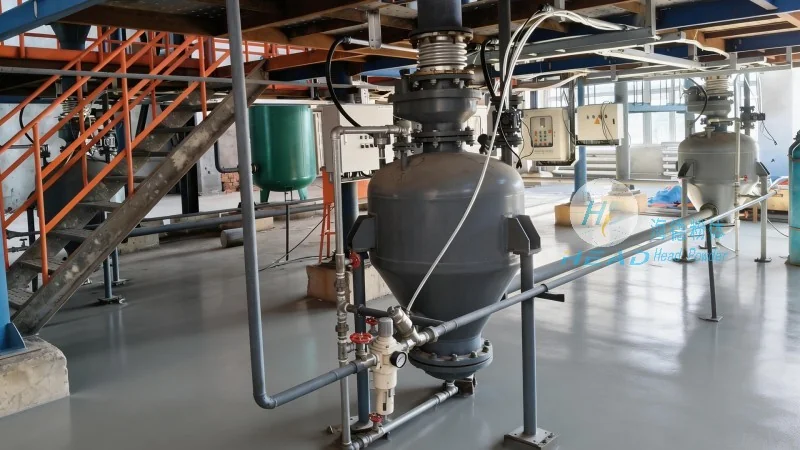
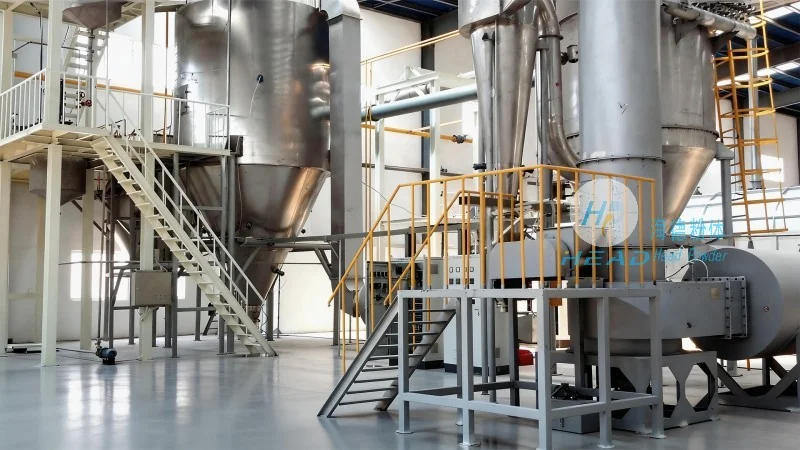
The core principle of the coffee bean pneumatic conveying system is the use of air to create a flow that transports solid materials. There are two main types of pneumatic conveying systems: positive pressure and negative pressure. In positive pressure systems, air is blown into the conveying line, pushing the coffee beans forward. Negative pressure systems, on the other hand, use suction to draw materials into the line. The choice between these systems depends on factors such as the distance to be covered, the volume of material, and the need for containment. The system typically includes components like a hopper for material storage, a blower or vacuum pump to generate airflow, a conveying line, and a discharge point where the coffee beans are deposited. The design ensures that the coffee beans are handled gently, minimizing breakage and maintaining their quality. The system also incorporates features such as filters to prevent dust from entering the air system and check valves to prevent backflow, ensuring smooth and continuous operation.
Working Scene Characteristics and Applications
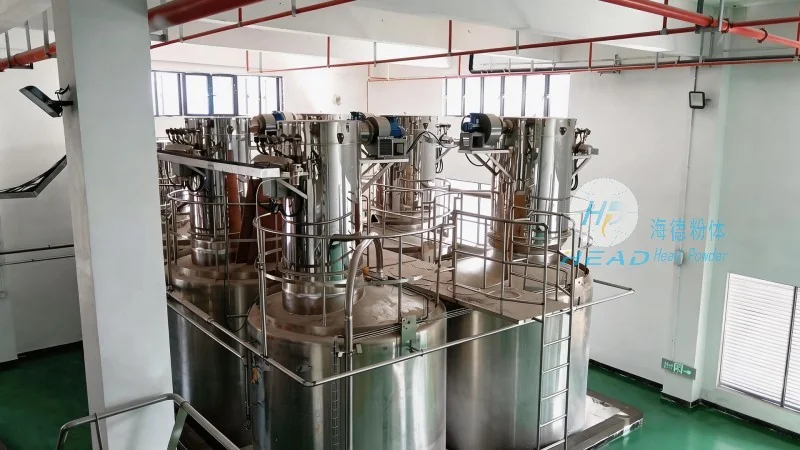
The coffee bean material pneumatic conveying system is particularly suited for various working scenes in coffee processing. In coffee roasting facilities, it can be used to transport raw coffee beans from storage silos to the roasting machines, ensuring a steady supply without manual handling. During the grinding process, the system can convey ground coffee from the grinder to packaging areas, maintaining consistent moisture levels and preventing contamination. In coffee blending operations, the system allows for precise mixing of different coffee bean varieties, enabling the creation of customized blends with consistent quality. The system is also effective in cleaning and maintenance scenarios, where it can be used to remove debris from processing equipment and transport cleaning agents to different parts of the facility. The flexibility of the system allows it to adapt to different production scales, from small-scale artisanal coffee roasters to large industrial coffee processing plants. Its ability to handle various coffee bean types, including green, roasted, and ground coffee, makes it a versatile solution for diverse coffee processing needs.
Advantages and Key Features
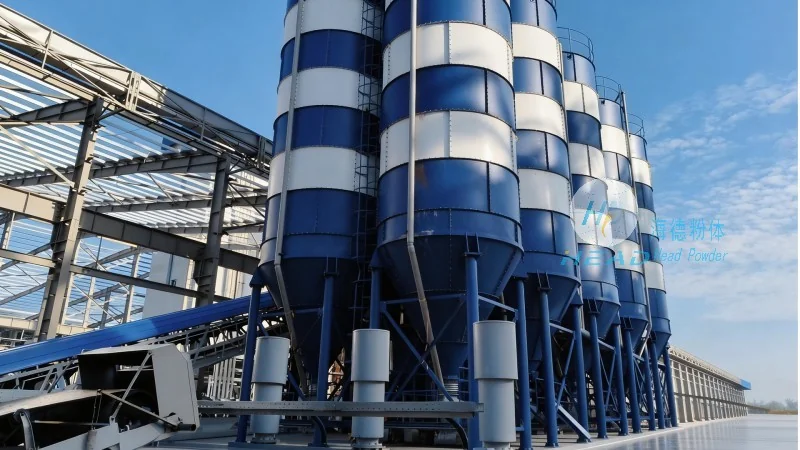
Shandong HeadPowder Engineering Co., Ltd. designs coffee bean material pneumatic conveying systems with several key advantages. The system provides a hygienic and dust-free environment, which is essential for maintaining the quality of coffee beans and complying with food safety regulations. The enclosed pipe system prevents contamination from external sources and reduces the risk of product exposure to air pollutants. The gentle handling of coffee beans minimizes damage, preserving the bean's texture and flavor characteristics. The system is also energy-efficient, with adjustable airflow settings that optimize energy consumption based on the volume of material being transported. Maintenance is simplified with modular components that can be easily replaced or serviced, reducing downtime. The system's scalability allows for expansion as production needs grow, providing a long-term solution for coffee processing facilities. Additionally, the system's compact design saves space in facilities where floor space is limited, making it suitable for both new and existing coffee processing plants.