

Principle and Working Scene Characteristics of PVC Resin Material Pneumatic Conveying Systems
PVC (Polyvinyl Chloride) resin is a widely used thermoplastic polymer in various industrial applications, including construction, automotive, and packaging. Efficient and reliable material handling is crucial for the production processes involving PVC resin. Pneumatic conveying systems offer an effective solution for transporting PVC resin, ensuring safety, cleanliness, and operational efficiency. This article explores the fundamental principles of PVC resin pneumatic conveying systems and highlights the key working scene characteristics that make them suitable for diverse industrial applications, with a focus on solutions provided by Shandong HeadPowder Engineering Co., Ltd., a leading provider of material handling systems in China.
Principle of Pneumatic Conveying Systems
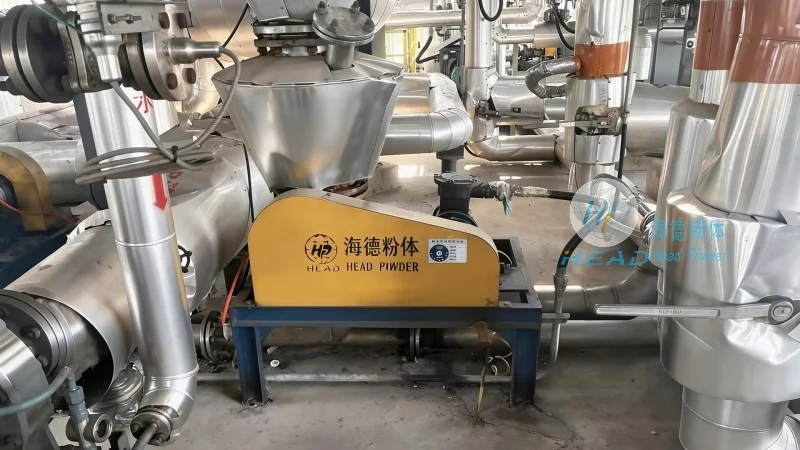
The core principle of pneumatic conveying involves the use of air or gas to transport solid materials like PVC resin through a pipeline. There are two primary types of pneumatic conveying systems: positive pressure and negative pressure (or vacuum) systems. In positive pressure systems, air is blown into the pipeline, creating a pressure higher than the ambient air, which propels the material forward. Conversely, negative pressure systems create a vacuum in the pipeline, drawing the material and air into the system. For PVC resin, positive pressure systems are often preferred due to their ability to handle abrasive materials and provide consistent flow rates. The system typically consists of a hopper, a conveyor line, a venturi (for acceleration), and a receiver or filter. The hopper holds the PVC resin, and as air is introduced, the resin is entrained and transported through the pipeline to the destination. The venturi section is critical as it accelerates the material-air mixture, ensuring efficient transport. The receiver at the end of the line collects the resin and separates it from the air, which is then filtered and recycled back into the system. This closed-loop system minimizes material loss and environmental impact, making it environmentally friendly and cost-effective. Shandong HeadPowder Engineering Co., Ltd. specializes in designing and manufacturing such systems, ensuring they meet the specific requirements of PVC resin handling in industrial settings.
Working Scene Characteristics of PVC Resin Pneumatic Conveying Systems
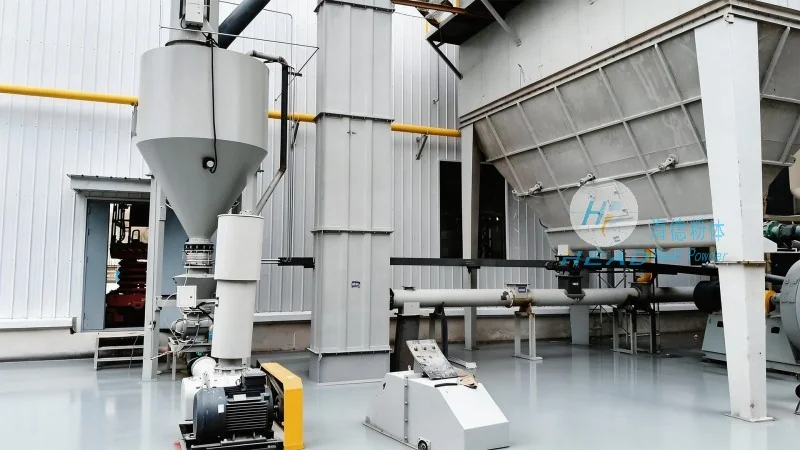
The working scene characteristics of PVC resin pneumatic conveying systems are tailored to meet the specific demands of industrial environments. These systems are designed to handle the unique properties of PVC resin, such as its granular or powdered form, and the need for contamination-free handling. In industrial settings, such as plastic manufacturing plants, PVC resin is often used in large quantities, requiring high-capacity conveying solutions. The systems are typically installed in cleanroom environments or areas where dust control is essential, as PVC resin can generate fine particles that may affect product quality or worker health. The working scene also considers the space constraints in manufacturing facilities, with systems designed to fit into existing layouts without disrupting production lines. Additionally, the systems are engineered to handle variations in resin moisture content and particle size, ensuring stable operation under different conditions. The use of advanced control systems allows for real-time monitoring of flow rates, pressure, and material levels, enhancing operational control and reducing downtime. In applications like PVC pipe extrusion or profile manufacturing, the pneumatic conveying system ensures a consistent supply of resin to the processing equipment, maintaining production efficiency and product uniformity.
Applications and Benefits in Industrial Settings
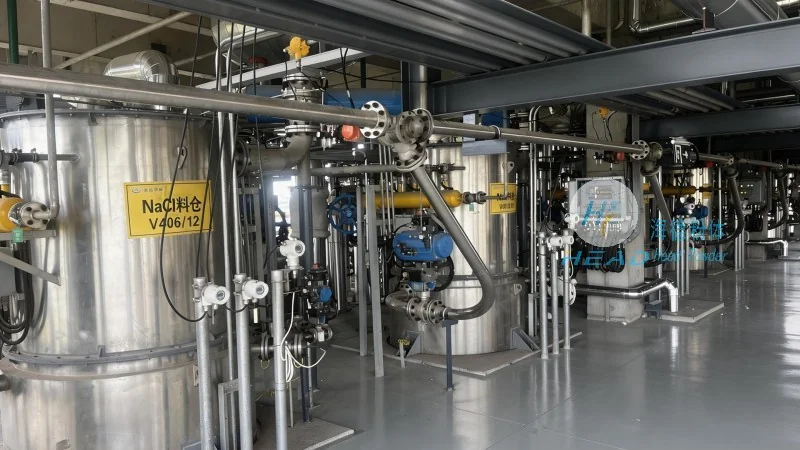
PVC resin pneumatic conveying systems are widely adopted in various industrial sectors due to their versatility and efficiency. In the PVC manufacturing industry, these systems are used to transport resin from storage silos to production lines, ensuring a continuous supply. The systems are also utilized in recycling facilities, where reclaimed PVC resin is conveyed for reprocessing. The benefits of pneumatic conveying include reduced labor costs, as automated systems handle material transport, and improved safety, as there is no manual handling of bulk materials. The closed-loop design minimizes dust emissions, contributing to a healthier work environment and compliance with environmental regulations. Furthermore, the systems are energy-efficient, as they use compressed air only when needed, and can be integrated with existing air compressors in the facility. The durability of the components, such as the pipeline and hopper, is designed to withstand the abrasive nature of PVC resin, ensuring long-term operational reliability. Shandong HeadPowder Engineering Co., Ltd. has successfully implemented these systems in numerous industrial projects, providing tailored solutions that enhance production efficiency and sustainability for clients across China.