

Operation Process and Working Principle of High-Calcium Limestone Powder Pneumatic Conveying System
HeadPowder, a leading manufacturer based in Shandong, China, specializes in providing advanced pneumatic conveying systems for high-calcium limestone powder applications. This article delves into the operation process and working principle of their high-calcium limestone powder pneumatic conveying system equipment, offering a comprehensive understanding of how this technology efficiently handles bulk materials in industrial settings.
Company Overview and System Design
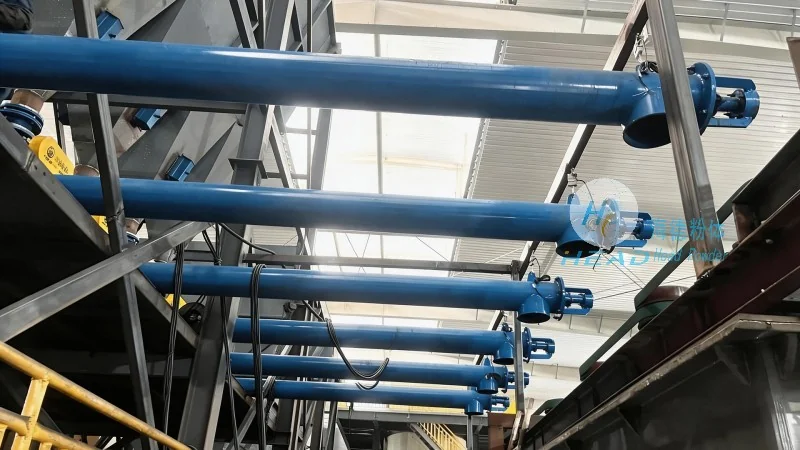
Shandong HeadPowder Engineering Co., Ltd., commonly known as HeadPowder, is a reputable company dedicated to the research, development, and manufacturing of pneumatic conveying equipment. The high-calcium limestone powder pneumatic conveying system is engineered to handle the unique characteristics of limestone powder, such as its high calcium content and potential for dust generation. The system is designed with precision to ensure reliable and efficient material transport from storage to processing units, minimizing downtime and operational costs.
Working Principle of the Pneumatic Conveying System
The core of the high-calcium limestone powder pneumatic conveying system is the air flow mechanism that propels the powder through a pipeline. The system operates by generating a high-pressure air stream, which is then introduced into the material hopper. As the air flows through the hopper, it lifts and transports the limestone powder particles through the pipeline to the destination point. The process relies on the principle of fluidization, where the air flow creates a suspended state of the powder, allowing it to move smoothly without clogging or blockages. This method is particularly effective for handling fine powders like high-calcium limestone, which are prone to agglomeration if not properly managed.
Key Components and Their Functions
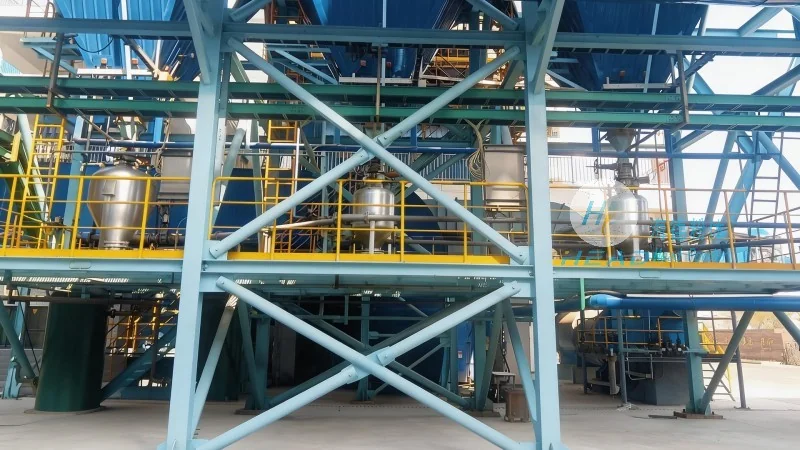
The high-calcium limestone powder pneumatic conveying system comprises several critical components, each playing a vital role in the overall operation. These include the material hopper, air compressor, pipeline network, and receiving hopper. The material hopper is equipped with a feeding mechanism that ensures a consistent flow of limestone powder into the system. The air compressor generates the necessary pressure to create the air stream, which is then distributed through the pipeline. The pipeline network is designed with appropriate diameters and bends to minimize pressure loss and maintain the flow of the powder-air mixture. The receiving hopper collects the transported limestone powder and regulates its discharge to downstream equipment.
Operation Process: From Loading to Discharge
The operation process of the high-calcium limestone powder pneumatic conveying system begins with the loading of limestone powder into the material hopper. The hopper is typically equipped with a level indicator to monitor the material volume. Once the hopper is filled, the air compressor is activated, and the air flow is adjusted to the optimal pressure and flow rate. The powder is then lifted from the hopper and conveyed through the pipeline to the receiving hopper at the processing site. The receiving hopper may include a dust collection system to capture any fine particles that escape during the process, ensuring environmental compliance and material purity. The system operates continuously, with the air compressor and feeding mechanisms working in sync to maintain a steady flow of limestone powder. The entire process is automated to minimize human intervention, reducing the risk of errors and improving operational efficiency.
Advantages and Applications
The high-calcium limestone powder pneumatic conveying system offers several advantages over traditional material handling methods. It eliminates the need for manual handling and reduces the risk of dust exposure, improving workplace safety. The system also minimizes material loss and contamination, as the powder is transported in a closed pipeline system. Additionally, the system is highly flexible, allowing for easy integration with existing processing lines and adjustments to accommodate varying material volumes. These benefits make the system suitable for a wide range of applications, including cement production, chemical processing, and mining operations, where high-calcium limestone is a key raw material.
Maintenance and Operational Considerations
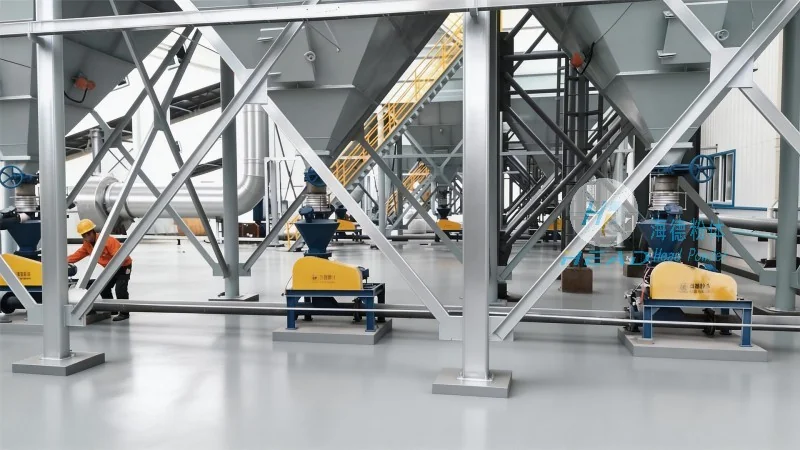
To ensure the long-term reliability and efficiency of the high-calcium limestone powder pneumatic conveying system, regular maintenance is essential. This includes checking the air compressor for proper performance, inspecting the pipeline for blockages or leaks, and cleaning the material hopper and receiving hopper to prevent powder buildup. The system should also be equipped with monitoring devices to track pressure, flow rate, and material levels, allowing for timely adjustments and troubleshooting. Proper maintenance not only extends the lifespan of the equipment but also ensures consistent performance and reduces the risk of operational disruptions.
Conclusion
HeadPowder's high-calcium limestone powder pneumatic conveying system equipment represents a sophisticated solution for efficient material handling in industrial applications. By understanding the working principle and operation process, users can appreciate the technological advancements that enable reliable and safe transport of high-calcium limestone powder. With its robust design and advanced features, this system is a valuable asset for companies seeking to optimize their material handling processes and improve overall operational efficiency.