

Operation Process and Working Principle of Solid Powder Pneumatic Conveying System Equipment
HeadPowder, a leading manufacturer based in Shandong, China, specializes in the design, development, and implementation of advanced solid powder pneumatic conveying systems. These systems are engineered to efficiently transport bulk solid materials, such as powders and granules, over long distances with minimal maintenance and operational costs. The following sections provide a detailed overview of the operational process and underlying working principles of these systems, highlighting their efficiency and reliability in industrial applications.
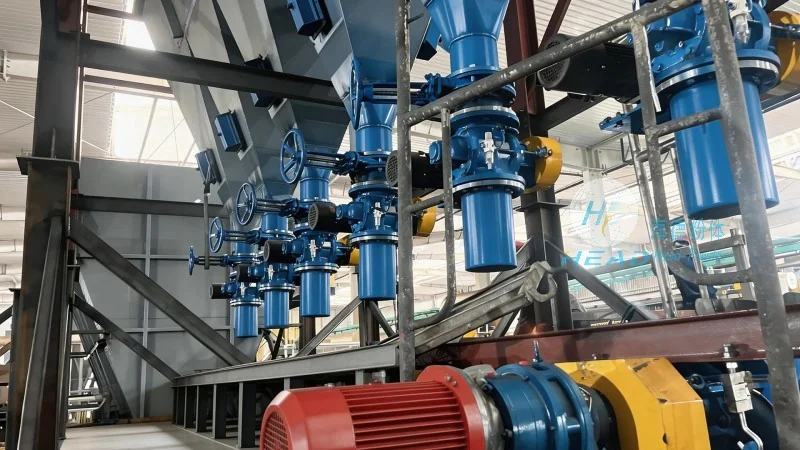
Working Principle of Pneumatic Conveying Systems
The core of a solid powder pneumatic conveying system lies in the use of compressed air to move material through a pipeline. The system typically consists of a blower or compressor, a hopper for material storage, a feed mechanism to introduce material into the air stream, and a discharge point where the material is released. The process begins with the material being fed into the hopper, where it is then drawn into the air stream by the pressure differential created by the blower. As the material is entrained in the air, it travels through the pipeline to the discharge point, where the air is separated from the material and the material is collected.
Key Components and Their Functions
Several critical components work in tandem to ensure the smooth operation of a pneumatic conveying system. The blower or compressor provides the necessary air pressure to generate the conveying velocity required to move the material. The hopper serves as a storage vessel, allowing for continuous feeding of material without interruption. The feed mechanism, often a rotary valve or a star feeder, controls the flow rate of material into the air stream, preventing blockages and ensuring consistent performance. The pipeline network connects the various components, with bends and elbows designed to minimize pressure loss and maintain the conveying efficiency. Finally, the discharge point, which may include a cyclone separator or a filter, separates the material from the air, allowing the air to be recirculated or vented, while the material is collected for further processing.
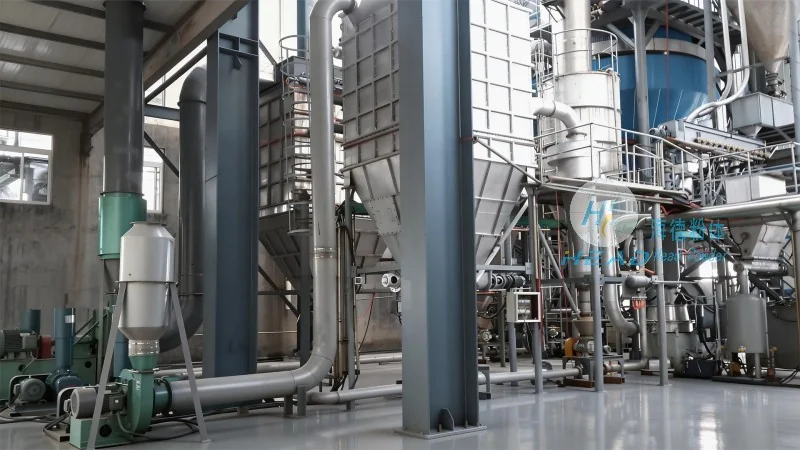
Operation Process: Step-by-Step Overview
The operational process of a solid powder pneumatic conveying system involves several sequential steps, each critical to the overall efficiency of the system. First, the material is loaded into the hopper, ensuring a sufficient supply for continuous operation. Next, the blower is activated, creating the necessary pressure to initiate the conveying process. The feed mechanism then introduces the material into the air stream, entraining it as it travels through the pipeline. As the material moves towards the discharge point, the air velocity and pressure are maintained to prevent material deposition or blockages. Upon reaching the discharge point, the material is separated from the air, typically through a cyclone or filter, and collected in a container or storage bin. The air, now free of material, is either recirculated back to the blower or vented to the atmosphere, depending on the system design. This cycle repeats continuously, allowing for the uninterrupted transport of bulk solid materials over long distances.
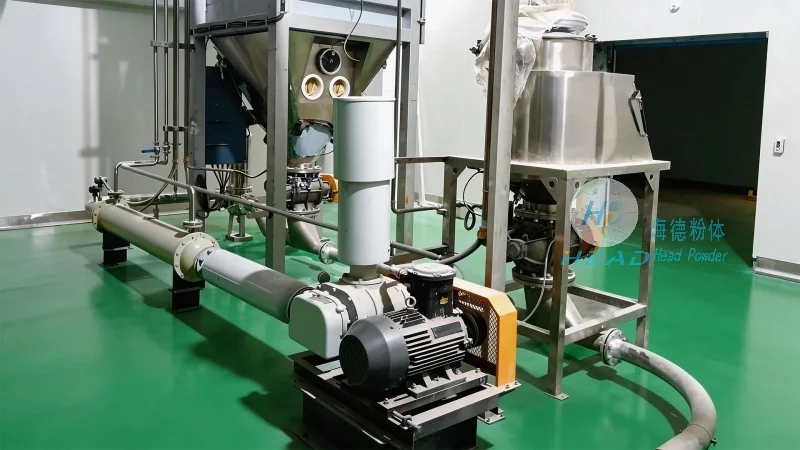
Advantages of Pneumatic Conveying Systems
Solid powder pneumatic conveying systems offer numerous advantages over traditional mechanical conveying methods. One of the primary benefits is the ability to transport materials over long distances without the need for multiple transfer points or elevators. This reduces installation costs and simplifies the overall system layout. Additionally, the systems are highly flexible, allowing for changes in material type or flow rate without significant modifications. The enclosed pipeline design also minimizes dust emissions, improving workplace safety and environmental compliance. Furthermore, the systems are relatively low maintenance, with fewer moving parts compared to mechanical conveyors, resulting in lower operational costs and longer service life.
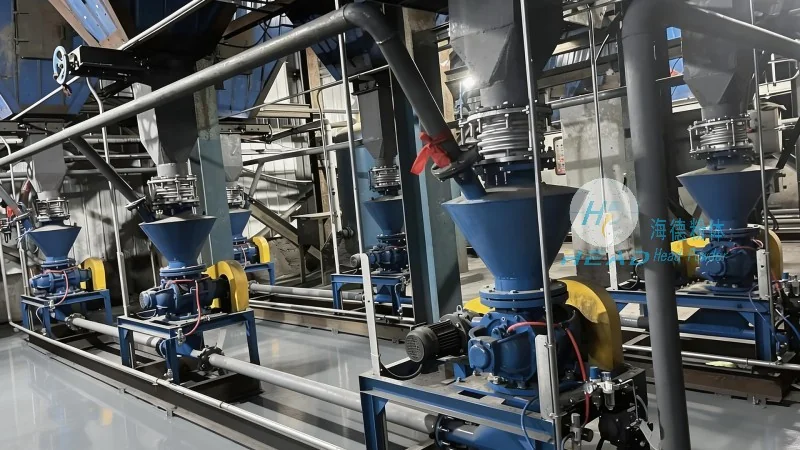
Applications in Industrial Settings
The versatility of solid powder pneumatic conveying systems makes them suitable for a wide range of industrial applications. In the chemical industry, these systems are used to transport powders such as pigments, polymers, and catalysts, ensuring precise control over material handling. In the food and pharmaceutical sectors, the enclosed design and ability to maintain sterile conditions make them ideal for transporting sensitive materials, such as powders used in food processing or pharmaceutical manufacturing. The mining and mineral processing industries also benefit from these systems, as they can efficiently transport bulk minerals and ores over long distances with minimal loss or contamination. Additionally, in the agricultural sector, pneumatic conveying systems are used to transport grain and other agricultural products, improving efficiency in storage and distribution operations.
Conclusion
HeadPowder's solid powder pneumatic conveying systems represent a reliable and efficient solution for the transport of bulk solid materials. By understanding the working principles and operational process, industrial users can leverage these systems to enhance productivity, reduce costs, and improve safety in their operations. With a focus on quality and innovation, HeadPowder continues to provide advanced solutions tailored to the specific needs of its clients, ensuring optimal performance and long-term reliability in diverse industrial applications.