

Operation Process and Working Principle of Activated Carbon Pneumatic Conveying System Equipment
Shandong HeadPowder Engineering Co., Ltd., a leading manufacturer in the field, specializes in providing advanced solutions for activated carbon handling and transportation. The company, often referred to as headpowder, is headquartered in Shandong, China, and has established itself as a trusted provider of industrial equipment designed to enhance efficiency and reliability in material handling processes. This article delves into the operation process and working principle of activated carbon pneumatic conveying systems, offering insights into how these systems function and the key components that contribute to their performance.
Basic Principles of Pneumatic Conveying
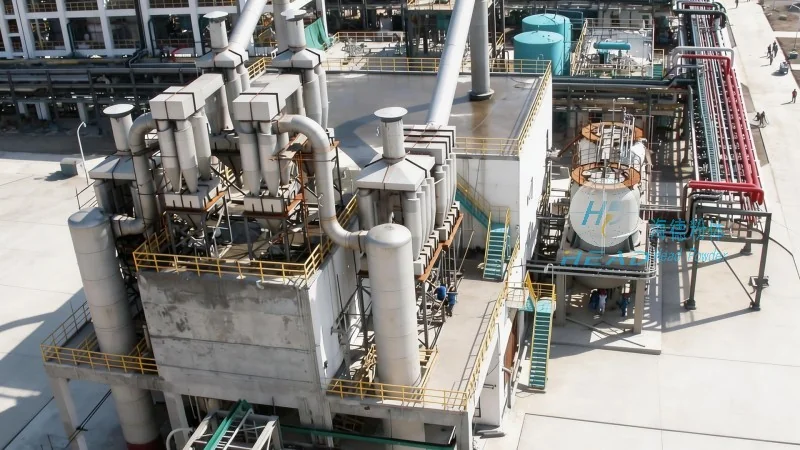
Pneumatic conveying systems utilize air or gas to transport bulk materials, such as activated carbon, through a pipeline. The process involves creating a pressure differential between the inlet and outlet of the system, which propels the material forward. There are two primary types of pneumatic conveying: pressure and vacuum systems. Pressure systems operate by forcing air or gas into the pipeline at a higher pressure than the ambient environment, while vacuum systems create a lower pressure at the inlet to draw material into the system. For activated carbon, which is often used in filtration and adsorption applications, efficient and gentle handling is crucial to maintain its quality and effectiveness.
Key Components and Working Principle of Activated Carbon Pneumatic Conveying Systems
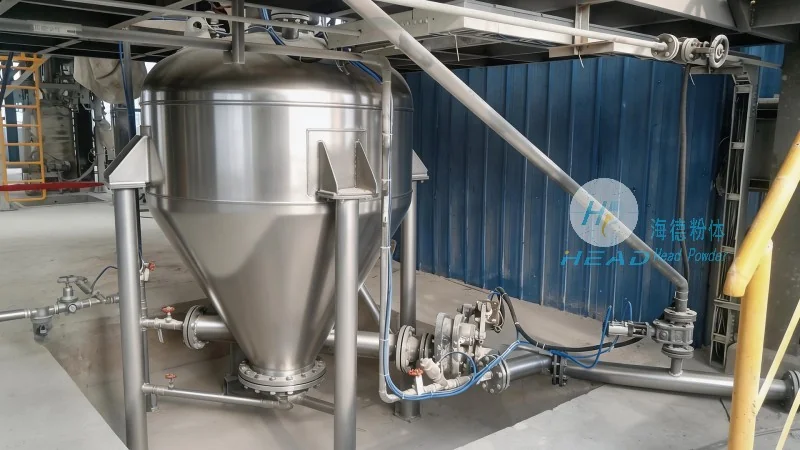
The activated carbon pneumatic conveying system typically consists of several key components, including a hopper, feeder, air compressor, pipeline, and receiver. The hopper stores the activated carbon, and the feeder regulates the flow of material into the system. The air compressor generates the necessary air pressure to move the material. The pipeline transports the activated carbon from the hopper to the receiver, where it is collected. The working principle involves the feeder releasing a controlled amount of activated carbon into the pipeline, which is then entrained by the high-velocity air stream. The air and material mixture travels through the pipeline, with the air providing the force to move the material. The receiver at the end of the pipeline collects the activated carbon, and the air is typically filtered and recycled to minimize waste and energy consumption.
Step-by-Step Operation Process
The operation of an activated carbon pneumatic conveying system follows a systematic process to ensure efficient and safe material handling. First, the activated carbon is loaded into the hopper, which is equipped with a level indicator to monitor the material level. Next, the feeder is activated to regulate the flow rate of the material into the system. The air compressor is then started, and the air pressure is adjusted to the appropriate level for the specific application. As the feeder releases the activated carbon, the air stream entrains the material, creating a mixture that moves through the pipeline. The receiver at the discharge end collects the activated carbon, and the system continues to operate until the material is fully transferred. During operation, the system may include monitoring devices to track pressure, flow rate, and material level, ensuring that the process runs smoothly and any issues are detected promptly. The entire process is designed to be automated, with minimal human intervention required, enhancing operational efficiency and reducing the risk of errors.
Advantages and Applications
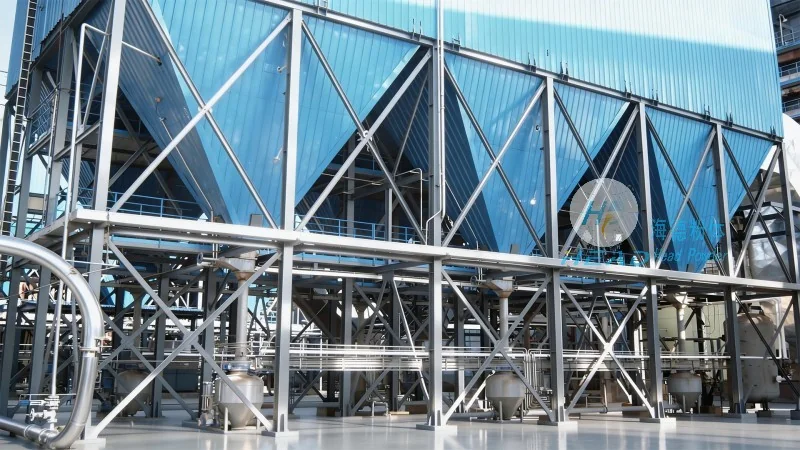
Activated carbon pneumatic conveying systems offer several advantages over traditional material handling methods, such as reduced labor costs, improved safety, and enhanced material quality. The gentle handling of activated carbon helps maintain its porous structure and adsorption capacity, which is critical for its use in water treatment, air purification, and other industrial applications. The systems are also versatile and can be adapted to various production scales, from small-scale laboratory use to large industrial operations. Shandong HeadPowder Engineering Co., Ltd. provides customized solutions tailored to the specific needs of each client, ensuring that the systems are optimized for their unique requirements. Whether for industrial filtration, chemical processing, or environmental remediation, the activated carbon pneumatic conveying systems from headpowder are designed to deliver reliable and efficient performance.