

Operation Process and Working Principle of Membrane Coated Sand Pneumatic Conveying System Equipment
Membrane coated sand pneumatic conveying systems represent a sophisticated technology used in industrial applications for the efficient transport of sand materials. These systems are designed to handle the unique properties of membrane coated sand, ensuring reliable and low-damage material transfer. Developed by Shandong HeadPowder Engineering Co., Ltd. (headpowder), these systems integrate advanced engineering principles to deliver optimal performance in various industrial settings.
Key Components of the Pneumatic Conveying System
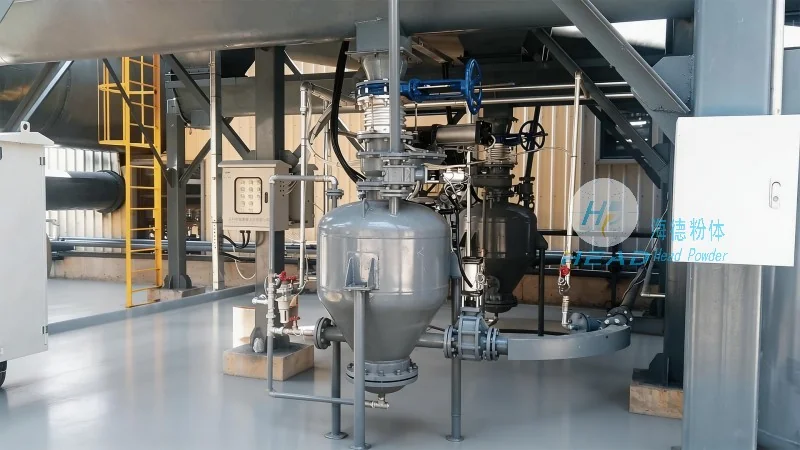
The core components of a membrane coated sand pneumatic conveying system typically include a hopper for material storage, a rotary valve or feeder to control the flow of sand, a conveying pipeline, a blower or air compressor to generate the necessary air pressure, and a receiver or discharge unit for material collection. Each component plays a critical role in the overall system operation, contributing to the system's efficiency and reliability.
Operating Process of the System
The operation process of a membrane coated sand pneumatic conveying system begins with the loading of membrane coated sand into the hopper. The rotary valve or feeder then regulates the material flow, ensuring a consistent feed rate. Simultaneously, the blower or air compressor starts, generating high-pressure air that is introduced into the conveying pipeline. The air and sand mixture travels through the pipeline under pressure, with the sand being suspended and transported to the receiver. The receiver collects the sand, while the air is either filtered and recirculated or vented to the atmosphere. This cycle repeats as needed to maintain continuous material transport.
Working Principle of the Pneumatic Conveying Mechanism
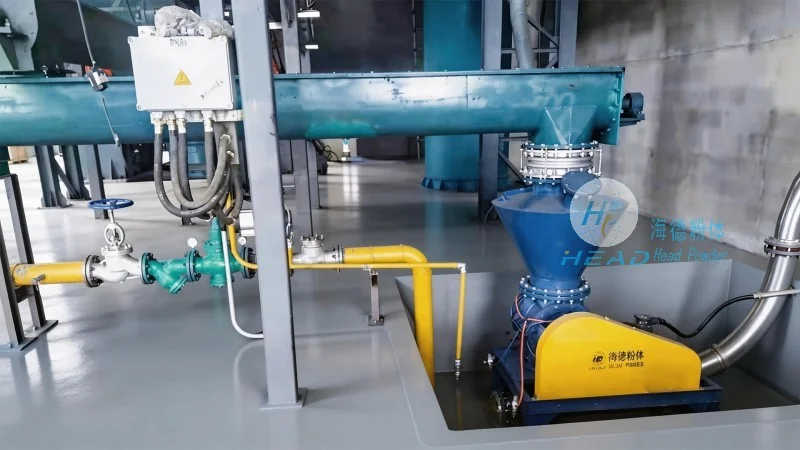
The working principle of the pneumatic conveying system is based on the principle of fluidization and suspension. When high-pressure air is introduced into the conveying pipeline, it creates a low-pressure zone that draws the sand particles into the air stream. The air velocity is maintained above the minimum fluidization velocity of the sand particles, ensuring that the sand remains suspended and transported without settling or blockage. The system's design, including the pipeline diameter, length, and bends, is optimized to minimize pressure drop and energy consumption while maximizing conveying efficiency.
Advantages of Using Membrane Coated Sand Pneumatic Conveying Systems
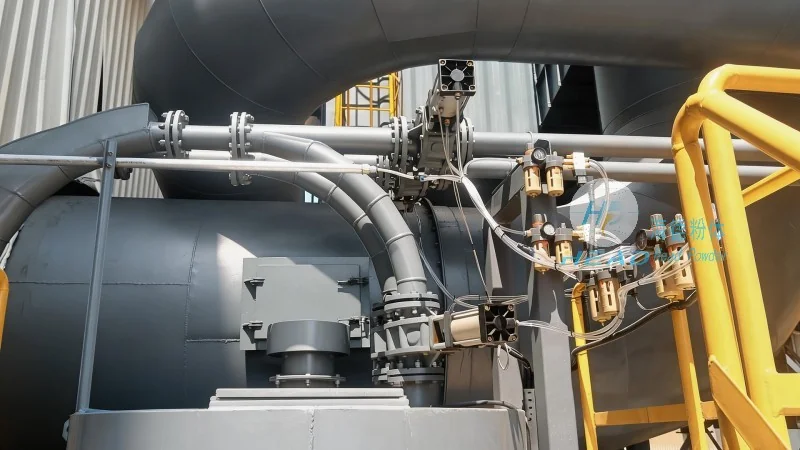
Membrane coated sand pneumatic conveying systems offer several advantages over traditional conveying methods. These include reduced material handling time, lower labor costs, and improved material quality due to minimized breakage and contamination. The system's ability to handle abrasive materials like membrane coated sand without significant wear on components also contributes to its long-term reliability and cost-effectiveness. Additionally, the enclosed system design helps in maintaining a clean and safe working environment, reducing dust emissions and improving workplace safety.
Application Scenarios and Industry Use Cases
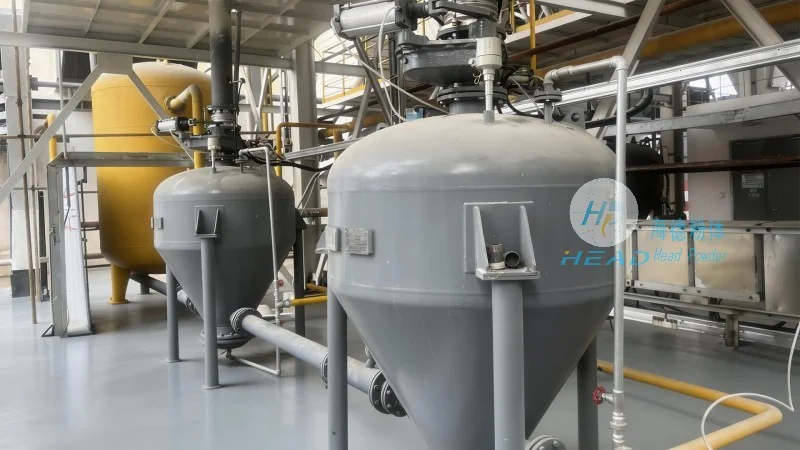
Membrane coated sand pneumatic conveying systems are widely used in various industries, including foundries, construction, and manufacturing. In foundries, these systems are crucial for transporting membrane coated sand used in sand casting processes, ensuring consistent material quality and reducing the risk of defects in castings. In construction, they are used for transporting sand for concrete mixing and other construction applications, improving material handling efficiency on job sites. The systems are also employed in manufacturing plants for handling sand used in abrasive blasting and other surface treatment processes.
Maintenance and Operational Considerations
Proper maintenance is essential to ensure the long-term performance and reliability of membrane coated sand pneumatic conveying systems. Regular inspection of components such as the blower, rotary valve, and conveying pipeline is necessary to detect and address any issues early. Cleaning of the system, especially the filter and receiver, is important to prevent clogging and maintain air quality. Additionally, monitoring air pressure and flow rates helps in optimizing system performance and preventing energy waste. Proper training of operators on system operation and maintenance procedures is also critical to ensure safe and efficient operation.