

Operation Process and Working Principle of Phosphate Sodium Pneumatic Conveying System Equipment
Phosphate sodium, as a key chemical raw material, plays a crucial role in various industrial applications. The efficient and reliable transportation of phosphate sodium is essential for maintaining smooth production lines. The pneumatic conveying system, specifically designed for handling phosphate sodium, offers a solution that ensures safety, efficiency, and minimal product degradation. This article delves into the operation process and working principle of such a system, highlighting its components, operational steps, and the technical aspects that contribute to its effectiveness. Developed and manufactured by Shandong HeadPowder Engineering Co., Ltd., this system exemplifies advanced engineering solutions for material handling in chemical industries.
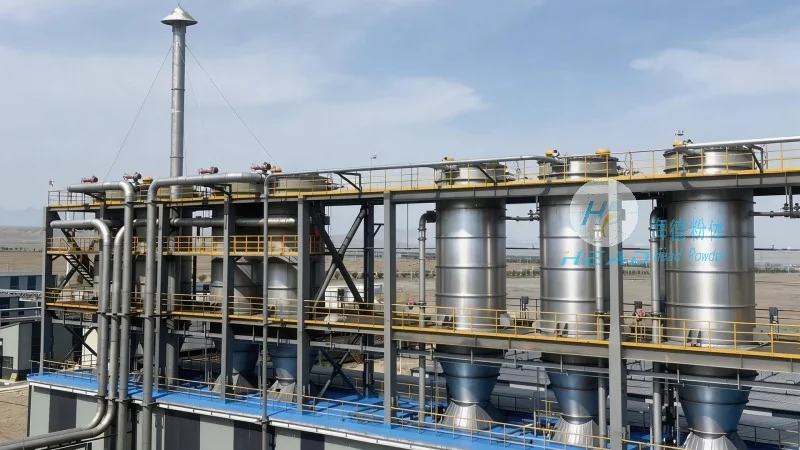
Overview of Phosphate Sodium Pneumatic Conveying System
Before understanding the operation process, it's important to grasp the fundamental structure of a phosphate sodium pneumatic conveying system. The system typically consists of several key components, including a hopper for material storage, a rotary valve or feeder to control the flow rate, a conveying pipeline, a blower or air compressor to generate the necessary air pressure, and a receiver or discharge hopper at the destination. Each component works in tandem to ensure the seamless transport of phosphate sodium from the source to the target location. The design of the system is tailored to handle the specific properties of phosphate sodium, such as its particle size, moisture content, and abrasiveness, ensuring optimal performance.
Working Principle of the Pneumatic Conveying System
The core of the system's operation lies in the use of air to move the phosphate sodium particles through the pipeline. The process begins with the material being fed from the hopper into the conveying line. As the air is introduced by the blower, it creates a flow that lifts and transports the phosphate sodium particles. The air velocity is carefully controlled to prevent particle separation or blockages in the pipeline. The system utilizes either positive or negative pressure (or a combination of both) depending on the specific application and distance of transport. Positive pressure systems push the material through the line, while negative pressure systems draw it in, each with its own advantages in terms of efficiency and suitability for different environments. The air pressure is maintained at a level that ensures the material is carried without excessive turbulence, minimizing the risk of product degradation.
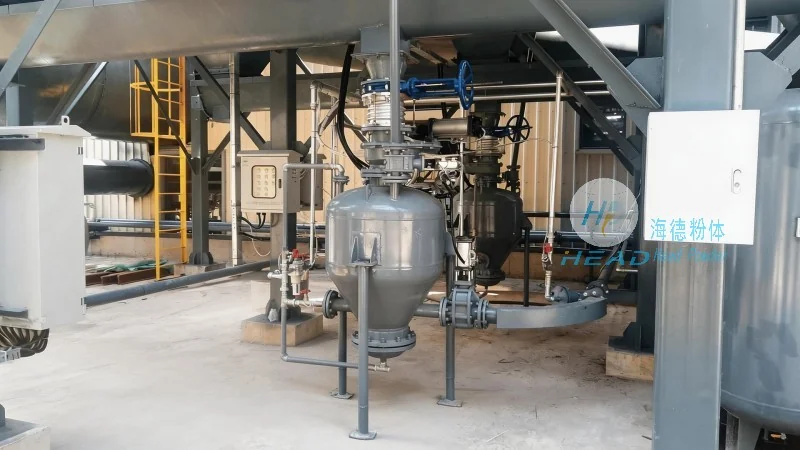
Operation Process: Step-by-Step Guide
The operation of the phosphate sodium pneumatic conveying system follows a systematic sequence of steps. First, the system is prepared by ensuring all components are properly connected and the air compressor is operational. The hopper is filled with the required amount of phosphate sodium. Next, the rotary valve or feeder is activated to control the flow rate, preventing overloading or underloading of the system. The blower is then started, generating the air pressure needed to initiate the conveying process. As the air flows through the pipeline, it carries the phosphate sodium particles from the source hopper to the discharge hopper at the destination. The system continuously monitors the pressure and flow rates to maintain optimal performance. Once the material reaches the destination, the rotary valve at the discharge end is adjusted to control the release of phosphate sodium into the receiving container. The entire process is automated to minimize human intervention and ensure consistent performance. The system's control panel allows operators to adjust parameters such as air pressure and flow rate in real-time, ensuring adaptability to changing production demands.
Key Components and Their Functions
Each component of the phosphate sodium pneumatic conveying system plays a critical role in its overall functionality. The hopper serves as the storage vessel, holding the phosphate sodium until it is ready to be conveyed. The hopper is typically made of stainless steel to prevent corrosion from the material. The rotary valve or feeder acts as a controlled gate, regulating the flow rate of the material into the conveying line. This component ensures a steady and controlled feed, preventing surges that could lead to system overload. The blower or air compressor is the power source, generating the air pressure required to move the particles. It is chosen based on the system's capacity and the distance of transport, with options ranging from centrifugal blowers to positive displacement compressors. The conveying pipeline, typically made of durable materials such as stainless steel or plastic, ensures the safe and efficient transport of the material. The pipeline is designed with smooth internal surfaces to minimize friction and prevent particle buildup. The receiver or discharge hopper at the end of the line collects the phosphate sodium, completing the transport process. This component is equipped with a discharge valve to control the release of the material into the next stage of processing. Proper maintenance of these components is essential to ensure the longevity and reliability of the system.
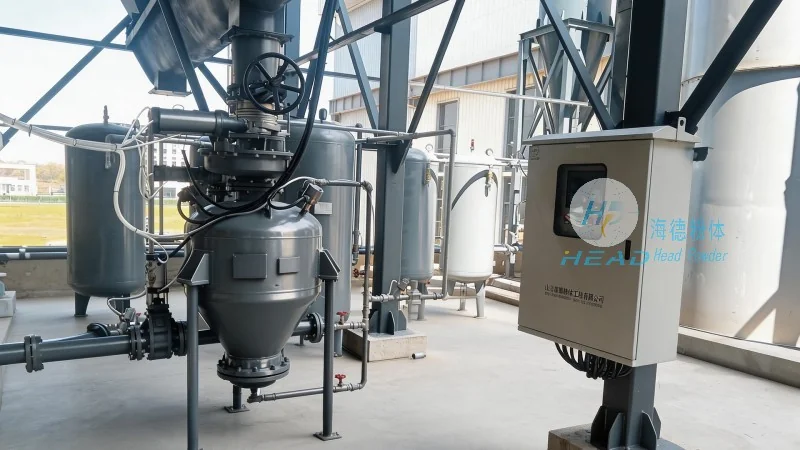
Advantages of Using Pneumatic Conveying for Phosphate Sodium
Implementing a pneumatic conveying system for phosphate sodium offers several advantages over traditional methods like belt conveyors or bucket elevators. Firstly, it eliminates the need for physical contact between the material and the conveying equipment, reducing the risk of contamination and product degradation. The system is also highly flexible, allowing for changes in the transport route or destination without significant modifications. Additionally, pneumatic conveying systems are capable of handling materials with varying particle sizes and moisture content, making them suitable for a wide range of applications. The automated nature of the system reduces labor costs and increases operational efficiency, contributing to overall cost savings for the company. Furthermore, the system's ability to transport materials in a closed environment helps maintain hygiene standards, which is particularly important in food and pharmaceutical industries where phosphate sodium is used as an additive.
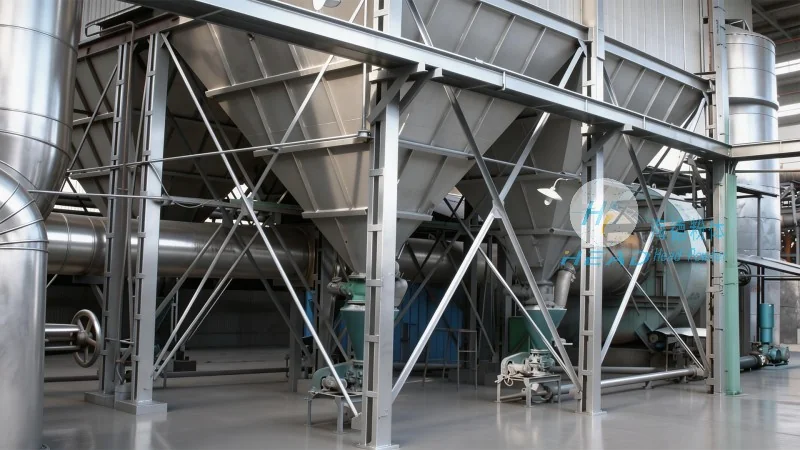
Applications in Industrial Settings
Phosphate sodium pneumatic conveying systems are widely used in various industrial sectors, including chemical manufacturing, food processing, and pharmaceuticals. In chemical plants, the system is used to transport phosphate sodium between different processing units, ensuring a continuous supply of raw material. The system's ability to handle high volumes and maintain consistent flow rates makes it ideal for large-scale production. In food processing facilities, the system is employed to move phosphate sodium used as an additive in food products, maintaining hygiene and safety standards. The system's closed design prevents cross-contamination with other materials, ensuring product quality. The system's reliability and efficiency contribute to improved production throughput and reduced downtime in these industries. For example, in a chemical manufacturing plant, the system can transport phosphate sodium from a storage silo to a reactor, reducing the time and labor required for manual handling and improving overall production efficiency.
Maintenance and Troubleshooting
To ensure the optimal performance of the phosphate sodium pneumatic conveying system, regular maintenance is crucial. This includes checking the air compressor for proper operation, inspecting the conveying pipeline for any blockages or leaks, and cleaning the hopper and feeder to prevent material buildup. Regular lubrication of moving parts, such as the rotary valve, is also necessary to prevent wear and tear. In case of system malfunctions, troubleshooting steps should be taken to identify the root cause. Common issues include air leaks, blockages in the pipeline, or insufficient air pressure. By addressing these issues promptly, the system can be restored to its normal operational state, minimizing downtime and ensuring consistent performance. The system's control panel provides diagnostic information that can help identify problems, such as pressure drops or abnormal flow rates. Maintenance schedules should be established based on the system's usage and the manufacturer's recommendations, ensuring that all components are inspected and serviced regularly. Proper training of operators on system maintenance and troubleshooting is also essential to ensure the system operates efficiently and reliably.