

Operation Process and Working Principle of Silicon Carbide Pneumatic Conveying System Equipment
HeadPowder, a leading provider of industrial conveying solutions, specializes in the design, manufacturing, and implementation of advanced pneumatic conveying systems for handling silicon carbide and other high-value powders. Based in Shandong, China, the company leverages decades of expertise to deliver reliable and efficient equipment tailored to the unique demands of modern material processing industries.
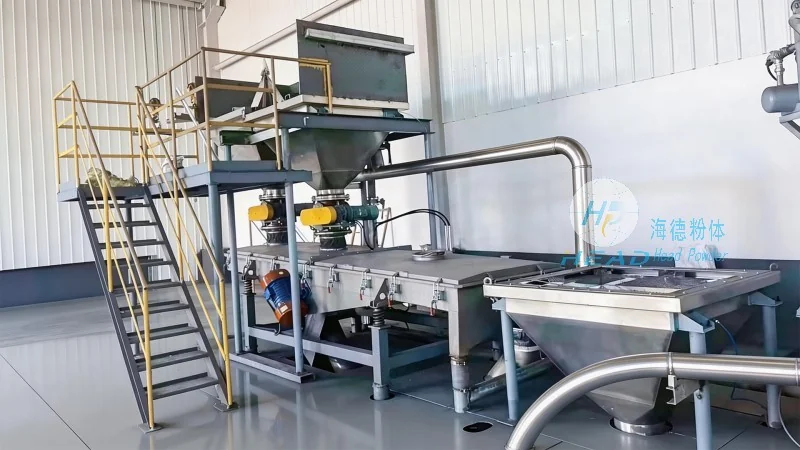
Overview of the Silicon Carbide Pneumatic Conveying System
The silicon carbide pneumatic conveying system is a sophisticated piece of industrial equipment engineered to transport silicon carbide powder from a storage silo or hopper to processing units such as reactors, furnaces, or packaging systems. This system utilizes compressed air or other gas as the primary transport medium, eliminating the need for mechanical components like belts or screws that may cause contamination or wear in high-purity applications. The design prioritizes minimal particle degradation, low pressure drop, and consistent flow rates, making it ideal for applications where material integrity and process efficiency are critical.
Key Components of the System
The system typically consists of several core components, each playing a vital role in the overall operation. These include a hopper or silo for material storage, a feeder mechanism to control the flow rate, a conveying line (often equipped with in-line mixers or cyclones for homogenization), and a receiver or discharge unit at the destination. The feeder, often a rotary valve or a mass flow meter, ensures a steady and controlled supply of silicon carbide to the conveying line. The conveying line itself may incorporate features like pulse jets or static mixers to maintain particle suspension and prevent clogging. Finally, the receiver is designed to safely deposit the material, often with a dust collection system to comply with environmental regulations.
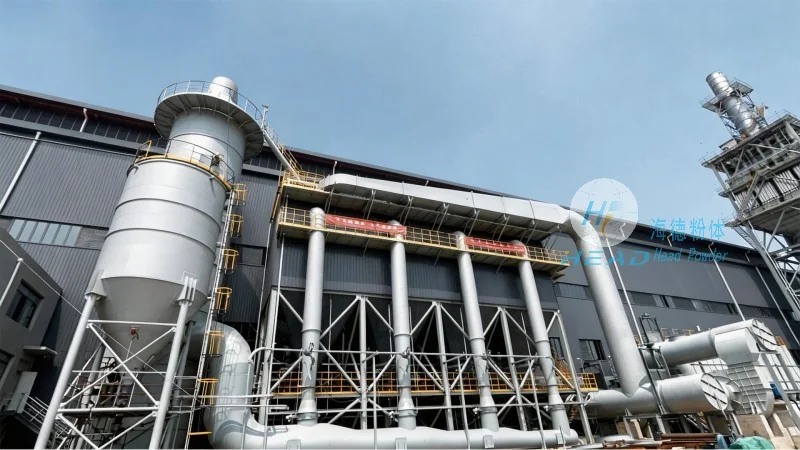
Operation Process: Step-by-Step Execution
The operation of the silicon carbide pneumatic conveying system follows a systematic sequence to ensure smooth and efficient material transfer. The process begins with the preparation phase, where the hopper is filled with silicon carbide powder and the system is checked for proper air pressure and operational readiness. Once the system is ready, the feeder is activated to start the flow of material. As the feeder releases the powder, the compressed air from the blower is introduced into the conveying line, creating a high-velocity air stream that lifts and transports the particles. The air-particle mixture travels through the pipeline, with the feeder maintaining a consistent flow rate to prevent surges or drops in material delivery. At the receiving end, the air stream is separated from the powder, often using a cyclone separator or a baghouse filter, and the purified air is discharged while the silicon carbide is collected in the receiver. The system continues to operate until the desired quantity of material has been transferred, at which point the feeder is shut off and the air pressure is reduced to a safe level before the next cycle begins.
Working Principle: The Physics Behind the Conveying
The working principle of the silicon carbide pneumatic conveying system is rooted in fluid dynamics and particle mechanics. The system operates on the principle of fluidization, where the compressed air creates a turbulent flow that suspends the silicon carbide particles in the air stream. The key to efficient conveying lies in achieving the right air velocity and pressure to maintain particle suspension without causing excessive wear or energy consumption. The air velocity must be sufficient to overcome the gravitational force acting on the particles and to provide the necessary kinetic energy for transport. The pressure drop along the conveying line is a critical parameter, as it directly impacts the system's energy efficiency and the maximum distance over which material can be transported. Proper design of the conveying line, including the use of smooth pipes and minimal bends, helps minimize pressure drop and ensures consistent performance. Additionally, the system may incorporate features like pulse jets or in-line mixers to enhance particle suspension and prevent clogging, especially when handling fine or cohesive powders like silicon carbide.
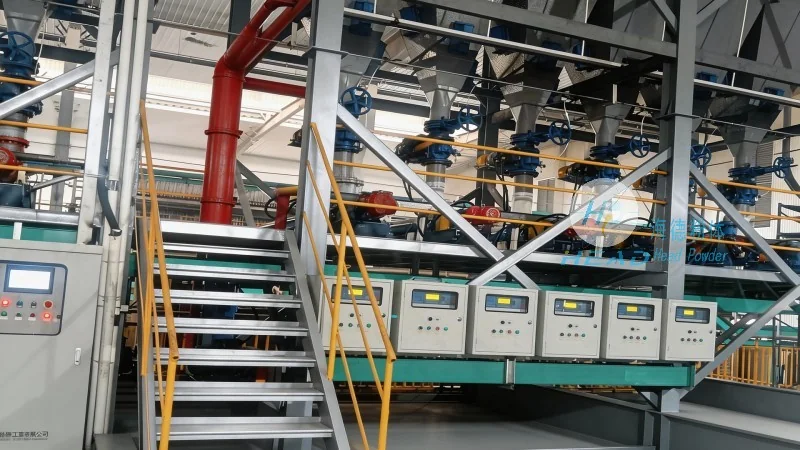
Technical Advantages and Applications
The silicon carbide pneumatic conveying system offers several technical advantages that make it a preferred choice for handling this abrasive and high-value material. First, the system eliminates the risk of contamination from mechanical components, ensuring that the silicon carbide remains in its pure state throughout the conveying process. Second, the design minimizes particle degradation, which is crucial for applications where the material's properties (such as hardness or reactivity) must be preserved. Third, the system provides high flexibility in terms of material flow rates and transport distances, allowing it to adapt to varying production demands. The system is widely used in industries such as refractory manufacturing, semiconductor production, and metal processing, where silicon carbide is used as a raw material or additive. Its ability to handle high-purity materials and maintain consistent quality makes it an essential component in modern production lines.
Maintenance and Operational Considerations
Proper maintenance is essential to ensure the long-term reliability and efficiency of the silicon carbide pneumatic conveying system. Regular inspection of components such as the feeder, blower, and conveying line is necessary to detect and address issues like wear, clogging, or air leaks. The hopper and feeder should be cleaned periodically to prevent material buildup that could affect flow rates. The air filtration system must be maintained to prevent dust accumulation and ensure compliance with environmental regulations. Operational considerations include monitoring air pressure and flow rates to maintain optimal conveying conditions. HeadPowder provides comprehensive maintenance services and technical support to help clients maximize the system's lifespan and performance. By adhering to recommended maintenance schedules and operational guidelines, users can ensure the system operates at peak efficiency and delivers consistent results.