

Operation Process and Working Principle of Sodium Dithionite Pneumatic Conveying System Equipment
Shandong HeadPowder Engineering Co., Ltd., commonly known as headpowder, specializes in the design and manufacturing of advanced pneumatic conveying systems tailored for sodium dithionite applications. Based in Shandong, China, the company leverages decades of industry experience to deliver efficient and reliable equipment that ensures optimal performance in various industrial settings. This article provides a detailed overview of the operation process and working principle of their pneumatic conveying system, highlighting key components and operational dynamics.
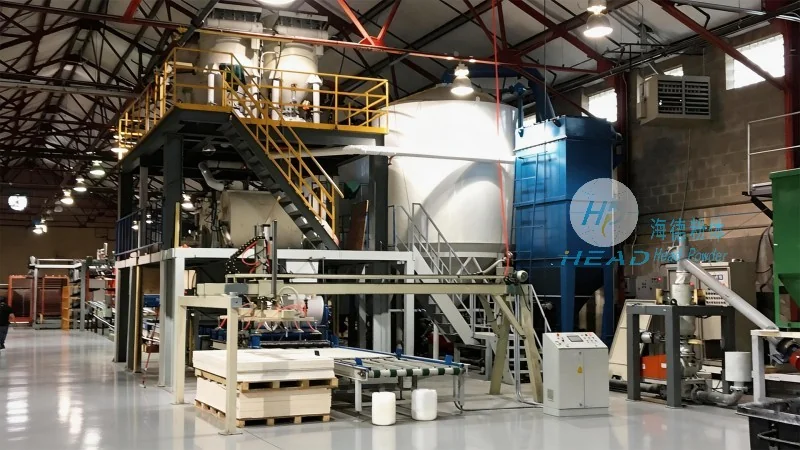
Key Components of the Pneumatic Conveying System
The pneumatic conveying system for sodium dithionite consists of several critical components that work in tandem to facilitate the transport of the material. The primary components include a hopper for material storage, a rotary valve for controlled discharge, a conveying line with appropriate ductwork, a blower or compressor to generate the necessary air pressure, and a receiver for the discharged material. Each component plays a vital role in maintaining the system's efficiency and safety. The hopper is designed to hold a sufficient quantity of sodium dithionite, ensuring a steady supply to the system. The rotary valve, typically a star valve or slide valve, regulates the flow of material from the hopper into the conveying line, preventing backflow and maintaining consistent material feed. The conveying line, often made of stainless steel or other corrosion-resistant materials, is engineered to withstand the chemical properties of sodium dithionite and the pressure generated by the air flow. The blower or compressor is the heart of the system, providing the motive force required to move the material through the ductwork. It generates a high-pressure air stream that entrains the sodium dithionite particles, creating a slurry-like mixture that travels through the pipeline. The receiver, usually a hopper or tank, collects the conveyed material and discharges it at the destination point.
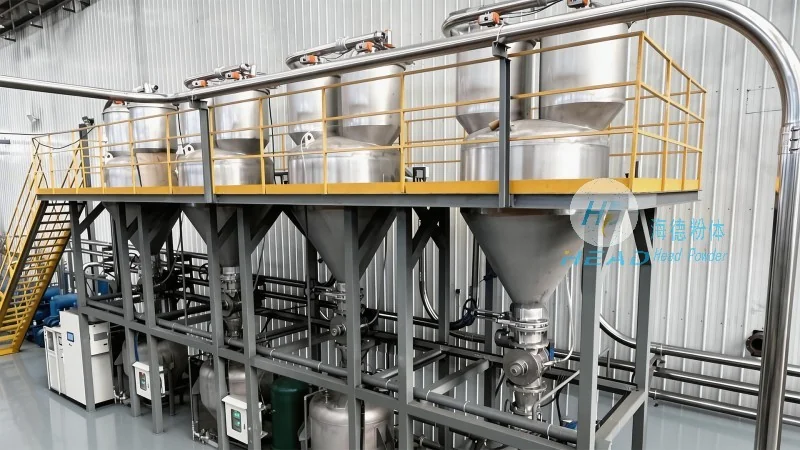
Working Principle of the Pneumatic Conveying Process
The working principle of the pneumatic conveying system for sodium dithionite is based on the principle of fluidization and entrainment. When the blower or compressor starts, it generates a high-pressure air stream that enters the conveying line. The air flow creates a negative pressure or positive pressure environment, depending on the system design (e.g., dilute phase or dense phase conveying). In the case of dilute phase conveying, the air velocity is high enough to lift and transport the sodium dithionite particles as individual droplets or small clusters. The particles are suspended in the air stream, moving through the ductwork with minimal resistance. The system operates by continuously feeding material from the hopper into the conveying line via the rotary valve. As the material enters the line, it is immediately entrained by the air flow, forming a mixture of air and material. This mixture travels through the pipeline to the receiver, where the air is separated from the material, typically through a cyclone or filter system. The separated air is then discharged to the atmosphere or recirculated, while the sodium dithionite is collected in the receiver. The process is continuous, with the system maintaining a steady flow of material as long as the blower or compressor operates and the hopper is supplied with material.
Operation Process and Key Steps
The operation process of the pneumatic conveying system for sodium dithionite involves several sequential steps that ensure smooth and efficient material transport. The first step is the preparation phase, where the system is checked for proper operation. This includes verifying the condition of the hopper, ensuring the rotary valve is functioning correctly, and checking the blower or compressor for proper air pressure and flow rate. Once the system is ready, the second step is the start-up process. The blower or compressor is activated, and the air flow is established in the conveying line. The rotary valve is then opened to allow the sodium dithionite to enter the line. As the material is fed into the system, it is immediately entrained by the air flow and begins to travel towards the receiver. The third step is the continuous operation phase, where the system runs at a steady state. The hopper is continuously fed with material, and the rotary valve maintains a consistent flow rate. The blower or compressor provides a constant air pressure, ensuring that the material is transported at the desired speed and distance. The fourth step is the shutdown process, where the system is turned off in a controlled manner. The blower or compressor is first stopped to allow the air pressure to drop, and then the rotary valve is closed to prevent any material from entering the line. The receiver is then emptied, and the system is prepared for the next cycle. Throughout the operation process, the system monitors key parameters such as air pressure, flow rate, and material level to ensure optimal performance and prevent any issues such as blockages or overloading.
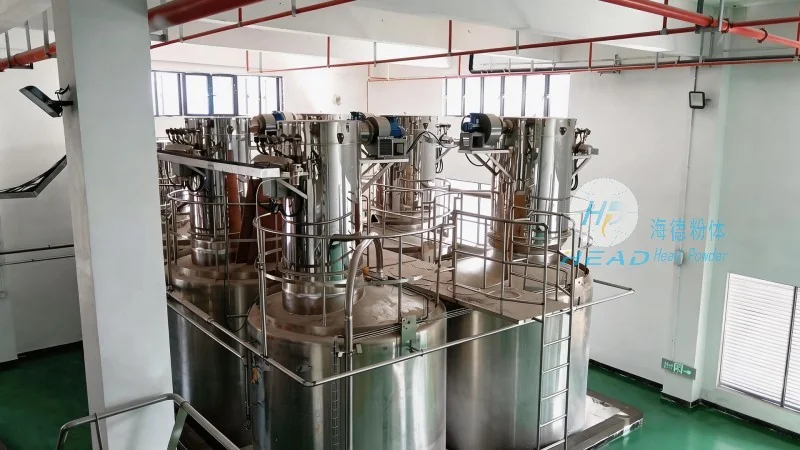
Advantages and Applications of the Pneumatic Conveying System
The pneumatic conveying system for sodium dithionite offers several advantages over traditional conveying methods, such as belt conveyors or bucket elevators. One of the primary advantages is the ability to transport the material in a closed system, which prevents dust contamination and improves safety in the workplace. The system also allows for the transport of material over long distances without the need for multiple transfer points, reducing the risk of material loss or degradation. Additionally, the system is highly flexible, as it can be easily adjusted to accommodate changes in material flow rate or destination. The system is widely used in various industries, including chemical manufacturing, food processing, and pharmaceuticals, where sodium dithionite is used as a reducing agent or bleaching agent. In chemical manufacturing, the system is used to transport sodium dithionite from storage tanks to reaction vessels, ensuring a consistent supply of material for the production process. In food processing, the system is used to transport sodium dithionite from storage to processing lines, maintaining the quality and safety of the final product. In pharmaceuticals, the system is used to transport sodium dithionite to manufacturing facilities, ensuring that the material is handled in a sterile and controlled environment.