

Operation Process and Working Principle of Denitrization Fly Ash Pneumatic Conveying System Equipmen
The denitrization fly ash pneumatic conveying system is a specialized equipment designed for the efficient transportation of fly ash generated from denitrification processes in power plants. As a key component in modern industrial waste management, this system ensures the safe and reliable transfer of fly ash from the denitrification unit to storage or disposal facilities. The system is engineered to handle the unique properties of fly ash, including its fine particle size and potential moisture content, while maintaining high efficiency and minimal environmental impact. With a robust design and advanced control mechanisms, it plays a crucial role in optimizing the overall operation of power generation facilities.
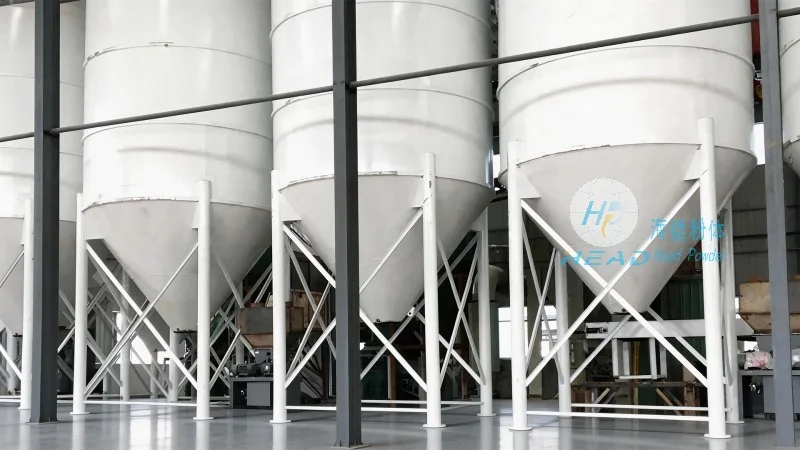
Company Introduction: Shandong HeadPowder Engineering Co., Ltd.
Headpowder, as the manufacturer of this advanced system, is a leading company in the field of powder handling and material transportation solutions. Based in Shandong, China, Headpowder has established itself as a trusted provider of high-quality engineering equipment tailored to meet the demanding requirements of various industrial sectors. The company's commitment to innovation, quality, and customer satisfaction has enabled it to deliver reliable solutions that enhance operational efficiency and reduce environmental risks. Headpowder's expertise in pneumatic conveying technology, combined with its comprehensive understanding of industrial processes, ensures that clients receive systems that are both effective and durable.
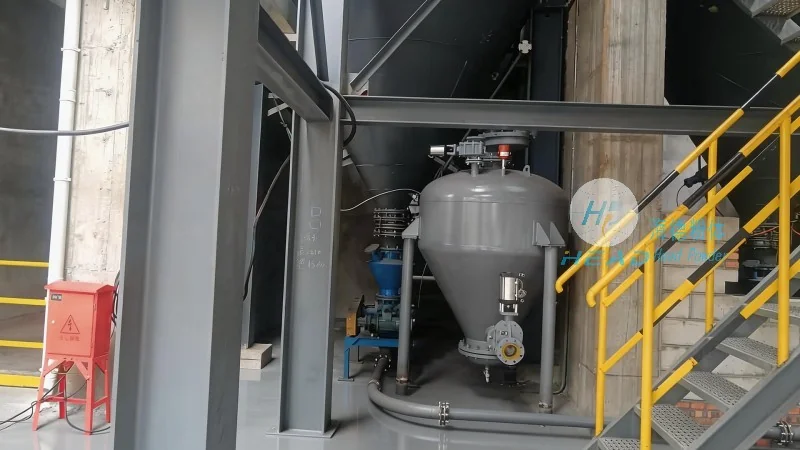
Key Components and Their Functions
The denitrization fly ash pneumatic conveying system consists of several critical components, each playing a vital role in the overall operation. The main components include the ash collection hopper, the conveying pipeline, the air compressor, the control valve system, and the dust collection unit. The ash collection hopper is responsible for collecting the fly ash from the denitrification unit, ensuring a continuous feed to the system. The conveying pipeline, typically made of high-quality materials such as stainless steel or special alloys, transports the ash through the system under pressure. The air compressor generates the necessary air pressure to move the ash particles, while the control valve system regulates the flow and pressure to maintain optimal performance. The dust collection unit, equipped with efficient filtration technology, ensures that any airborne particles are captured and returned to the system or disposed of safely, minimizing emissions and maintaining compliance with environmental regulations.
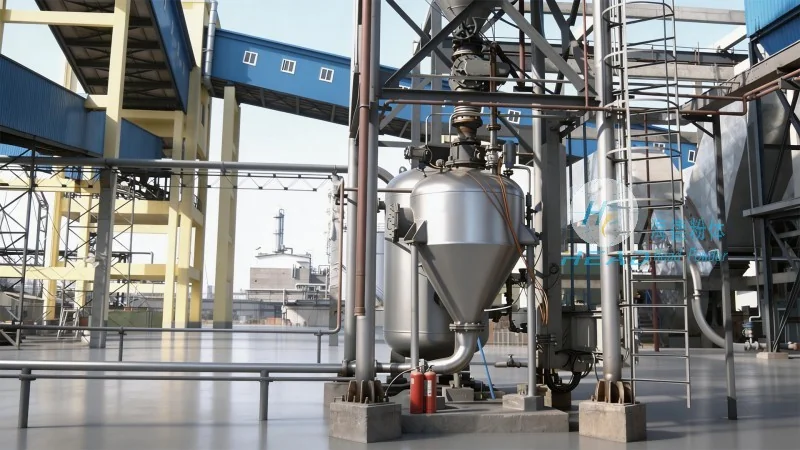
Operation Process of the System
The operation of the denitrization fly ash pneumatic conveying system follows a systematic process that ensures efficient and continuous ash transportation. The process begins with the collection of fly ash from the denitrification unit into the ash collection hopper. The ash is then drawn into the conveying pipeline by the air compressor, which creates a pressure differential that propels the ash particles through the system. The control valve system monitors and adjusts the air pressure and flow rate to maintain a consistent conveying rate, preventing blockages or inefficiencies. As the ash travels through the pipeline, it is mixed with the conveying air, which helps to keep the particles suspended and prevents clogging. The system is designed to operate continuously, with the ash being transferred from the collection point to the storage or disposal facility without interruption. The control system continuously monitors key parameters such as pressure, flow rate, and temperature, ensuring that any deviations are detected and corrected promptly. This automated control ensures that the system operates at peak efficiency and maintains the integrity of the ash during transportation.
Working Principle of the Pneumatic Conveying System
The working principle of the denitrization fly ash pneumatic conveying system is based on the fundamental concept of pneumatic transport, where solid particles are conveyed through a pipeline using a gas (usually air). The system operates under pressure, with the air compressor providing the necessary energy to move the ash particles. The key steps in the working principle include: 1) Generation of air pressure: The air compressor increases the pressure of the air, creating a high-pressure environment within the system. 2) Ash feeding: The ash from the denitrification unit is fed into the ash collection hopper and then into the conveying pipeline. 3) Particle suspension: The high-pressure air creates a flow that suspends the ash particles, allowing them to be transported through the pipeline. 4) Transportation: The suspended ash particles are carried along the pipeline to the destination. 5) Pressure regulation: The control valve system adjusts the pressure and flow rate to maintain optimal conditions. 6) Dust collection: The dust collection unit filters any airborne particles, ensuring that the system operates cleanly and safely. This principle allows for the efficient and reliable transportation of fly ash, minimizing the need for manual handling and reducing the risk of environmental contamination.
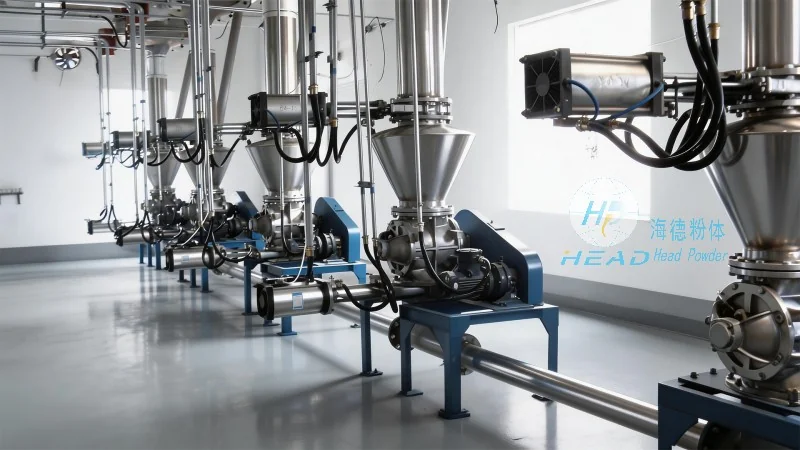
Technical Advantages and Benefits
The denitrization fly ash pneumatic conveying system offers several technical advantages that make it an ideal solution for industrial applications. One of the primary benefits is its high efficiency in transporting fly ash, which reduces the time and labor required for manual handling. The system is designed to handle large volumes of ash, ensuring that the denitrification process can operate continuously without interruptions. Another advantage is its minimal environmental impact, as the system is equipped with efficient dust collection and filtration units that prevent emissions and maintain compliance with environmental regulations. The robust construction of the system, using high-quality materials such as stainless steel, ensures durability and long-term performance, reducing the need for frequent maintenance and repairs. Additionally, the automated control system provides real-time monitoring and adjustment, enhancing operational reliability and reducing downtime. These advantages make the system a cost-effective and sustainable solution for managing fly ash from denitrification processes.