

Operation Process and Working Principle of Textile Fiber Pneumatic Conveying System Equipment
HeadPowder, a leading engineering company based in Shandong, China, specializes in the design, manufacturing, and installation of advanced pneumatic conveying systems tailored for the textile industry. This article provides a detailed overview of the operation process and working principle of textile fiber pneumatic conveying equipment, highlighting the key components, operational steps, and technical mechanisms that ensure efficient material handling in textile processing facilities.
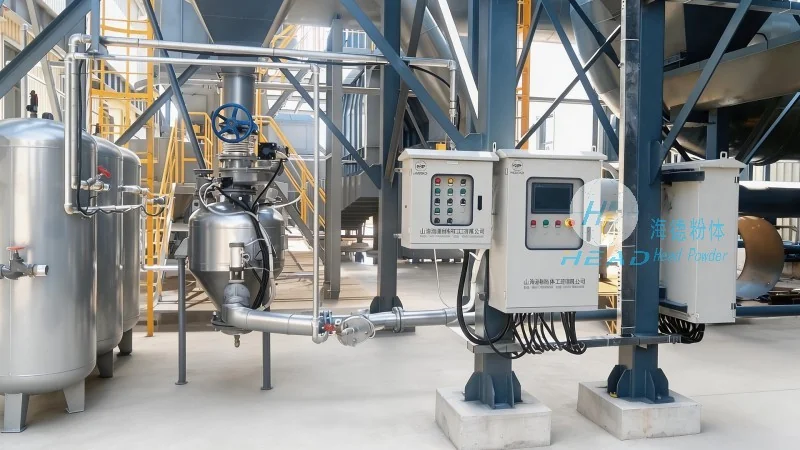
Introduction to Textile Fiber Pneumatic Conveying Systems
Textile fiber pneumatic conveying systems are essential for the seamless transport of raw fibers, such as cotton, polyester, and other synthetic fibers, from storage silos or processing units to spinning machines or other production equipment. These systems utilize compressed air or gas to move the fibers through a network of pipes, eliminating the need for mechanical components like belts or rollers that may cause fiber damage or contamination. The primary goal of such systems is to maintain the quality and integrity of the fibers while ensuring high throughput and operational reliability.
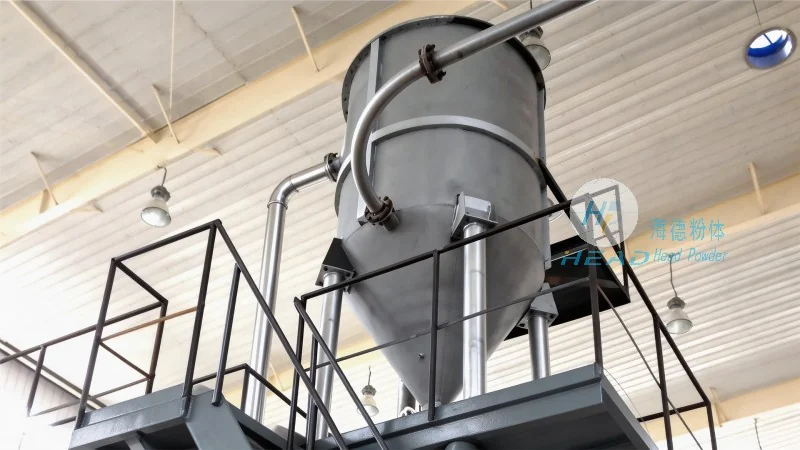
Key Components of the Pneumatic Conveying System
The textile fiber pneumatic conveying system consists of several critical components that work in tandem to achieve efficient material transport. These include the material feed hopper, which stores and feeds the fibers into the system; the air compressor or blower, which generates the necessary pressure to move the fibers; the conveying line, typically made of stainless steel or other corrosion-resistant materials to prevent fiber degradation; and the discharge unit, which delivers the fibers to the next stage of processing. Additionally, the system may incorporate components like filters, cyclones, and pressure regulators to maintain air quality and system stability.
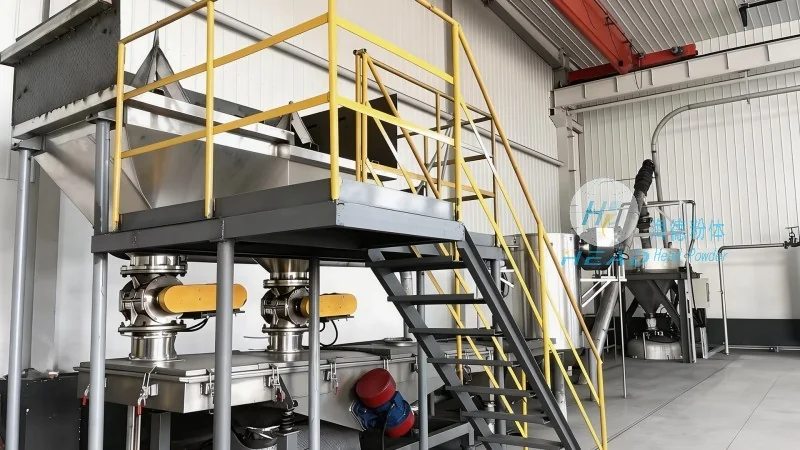
Operation Process of the Textile Fiber Pneumatic Conveying System
The operation process of the textile fiber pneumatic conveying system involves several sequential steps that ensure smooth and continuous material flow. Initially, the raw fibers are loaded into the material feed hopper. A feeder mechanism then controls the flow rate of the fibers into the conveying line. Simultaneously, the air compressor or blower supplies compressed air to the system, creating a pressure differential that propels the fibers forward. As the fibers travel through the conveying line, they are mixed with the air stream, forming a dense or dilute phase flow depending on the system design. The fibers are then discharged from the system at the receiving end, where they are collected and prepared for the next processing step. The entire process is typically automated, with sensors and control systems monitoring pressure, flow rate, and fiber level to maintain optimal performance.
Working Principle of the Pneumatic Conveying System
The working principle of the textile fiber pneumatic conveying system is based on the fundamental concept of fluidization and particle transport. When compressed air is introduced into the conveying line, it creates a low-density air-fiber mixture that behaves like a fluid. The fibers are suspended and transported by the air stream, with the velocity of the air determining the flow rate and pressure drop within the system. The system operates under either positive pressure (where air is forced into the conveying line) or negative pressure (where air is drawn out), depending on the specific design and application requirements. The key to efficient operation lies in maintaining the correct air-to-fiber ratio, which balances the need for sufficient air to move the fibers without excessive energy consumption or fiber degradation. Advanced control systems and variable-speed drives further optimize the air flow and fiber feed, ensuring consistent performance and minimal downtime.
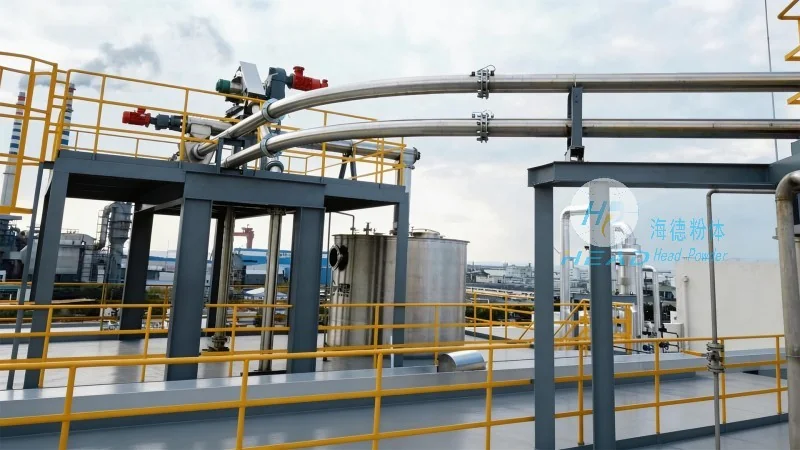
Technical Advantages and Applications
Textile fiber pneumatic conveying systems offer several technical advantages that make them ideal for modern textile manufacturing. These include the ability to handle a wide range of fiber types and sizes, maintain fiber quality and cleanliness, and achieve high throughput with minimal labor. The systems are also compact and flexible, allowing for easy integration into existing production lines or new facility designs. HeadPowder's textile fiber pneumatic conveying equipment is widely used in applications such as raw material transport from storage to spinning machines, fiber blending, and waste fiber recovery in textile mills. The company's expertise in system design and engineering ensures that each installation is tailored to meet the specific needs of the client, providing reliable and efficient material handling solutions.