

Introduction to Automatic Feeding Pneumatic Conveying and Its Structural Principles
Automatic feeding pneumatic conveying systems represent a sophisticated solution for material handling in various industrial applications. These systems are designed to efficiently transport bulk materials from one location to another using a combination of air and mechanical components. The technology is widely used across sectors such as food processing, pharmaceuticals, and chemical manufacturing due to its ability to handle a diverse range of materials while maintaining high levels of cleanliness and efficiency. Developed by Shandong HeadPowder Engineering Co., Ltd. (headpowder), these systems are engineered to deliver reliable performance and adaptability for modern industrial needs.
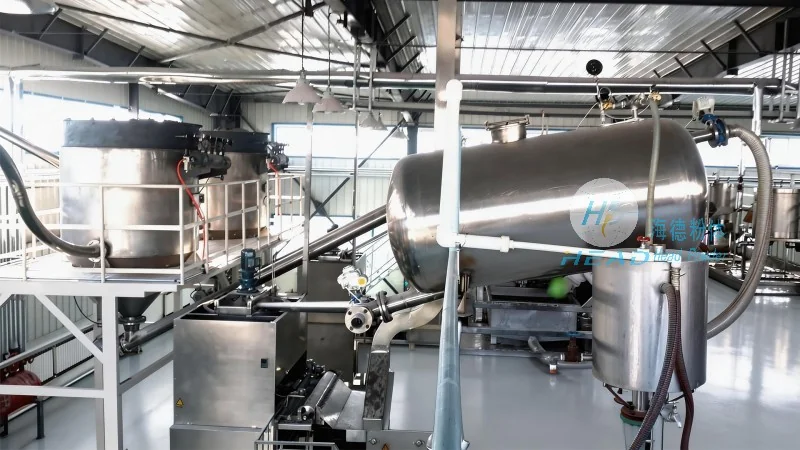
Key Components of Automatic Feeding Pneumatic Conveying Systems
The core of an automatic feeding pneumatic conveying system consists of several critical components that work in tandem to ensure smooth operation. The primary elements include a feeding hopper, a rotary valve or feeder, a conveying line, a filter or separator, and a receiver or discharge hopper. Each component plays a vital role in the overall functionality of the system.
The feeding hopper is responsible for storing the bulk material and providing a consistent feed to the system. It is typically equipped with a level indicator to monitor the material level, ensuring that the feeding process remains uninterrupted. The rotary valve or feeder, often referred to as a star valve or rotary airlock, regulates the flow of material from the hopper into the conveying line. This component is crucial for controlling the material discharge rate and preventing backflow.
The conveying line, usually made of stainless steel or other corrosion-resistant materials, is where the material is transported through the system. It is connected to a blower or compressor that generates the necessary air pressure to move the material. The air and material mixture travels through the line, with the material being carried by the air stream. The design of the conveying line, including its diameter and length, is critical for maintaining the desired air velocity and preventing material deposition or blockages.
The filter or separator is an essential component for maintaining product purity and system cleanliness. It removes any entrained air or fine particles from the material stream, ensuring that the discharged material is free from contaminants. This component is typically equipped with a dust collection system to capture any particulate matter and prevent it from being released into the environment.
The receiver or discharge hopper collects the material as it is conveyed through the system. It is designed to handle the incoming material flow and provide a stable discharge point for downstream processes. The receiver may also include a level indicator or a discharge valve to control the material output.
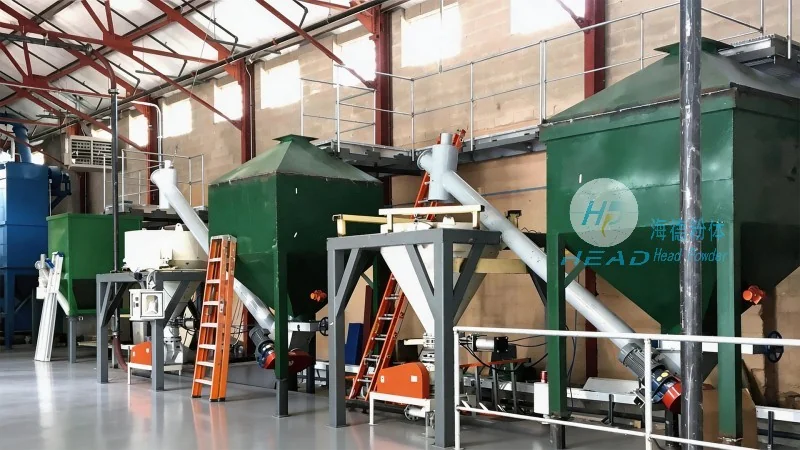
Working Principle of Automatic Feeding Pneumatic Conveying
The operation of an automatic feeding pneumatic conveying system is based on the principle of air-assisted material transport. The system begins by filling the feeding hopper with the bulk material. The rotary valve then starts to rotate, allowing material to fall into the conveying line. Simultaneously, the blower or compressor generates a high-pressure air stream that enters the conveying line.
As the material falls into the line, it is picked up by the air stream and carried along the length of the line. The air velocity within the line is maintained at a level sufficient to keep the material suspended and prevent it from settling. The material and air mixture continues to travel until it reaches the filter or separator, where the air is separated from the material. The filtered material then proceeds to the receiver or discharge hopper, where it is collected for further processing.
The system is designed to operate continuously, with the feeding hopper and rotary valve working in sync with the blower and conveying line. The control system monitors various parameters such as material level, air pressure, and flow rate to ensure optimal performance. Any deviations from the set parameters are automatically adjusted to maintain the desired operation.
Advantages of Automatic Feeding Pneumatic Conveying
Automatic feeding pneumatic conveying systems offer several advantages over traditional material handling methods. One of the key benefits is the ability to handle a wide variety of materials, including powders, granules, and bulk solids. The system can transport materials over long distances without the need for complex infrastructure, making it suitable for both new and existing facilities.
Another significant advantage is the high level of cleanliness and hygiene maintained throughout the process. The enclosed system prevents contamination from external sources and minimizes dust emissions, which is particularly important in industries such as food and pharmaceuticals. The use of stainless steel components further enhances the system's hygienic properties, ensuring compliance with regulatory standards.
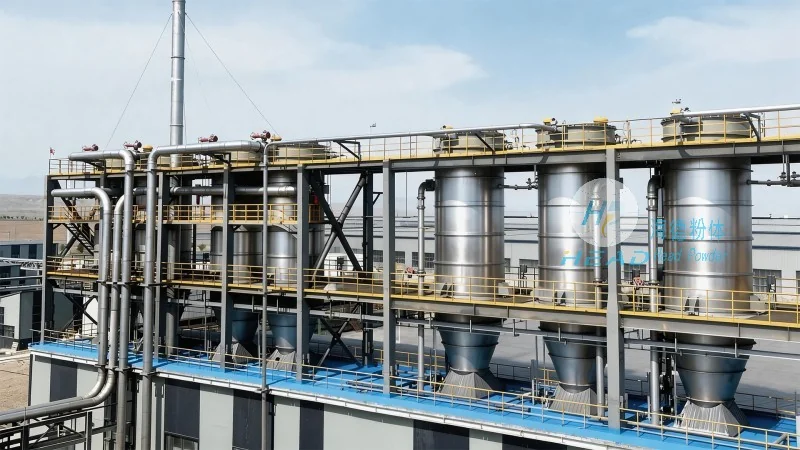
The system also offers flexibility in terms of material handling. It can be easily integrated with other processing equipment, such as mixers, classifiers, or packaging machines. The automatic feeding feature ensures consistent material flow, reducing the need for manual intervention and improving overall operational efficiency.
Additionally, automatic feeding pneumatic conveying systems are energy-efficient compared to other material handling methods. The use of air as the primary transport medium reduces the need for mechanical components, such as conveyor belts or elevators, which can be less energy-efficient. The system's design allows for optimal air usage, minimizing energy consumption while maintaining high material throughput.
Applications and Industries
Automatic feeding pneumatic conveying systems are widely used in various industries due to their versatility and efficiency. In the food and beverage industry, these systems are used to transport ingredients such as flour, sugar, and spices. The hygienic design of the system ensures that the materials remain free from contamination, meeting the strict quality standards of the industry.
In the pharmaceutical industry, automatic feeding pneumatic conveying is used to handle active pharmaceutical ingredients (APIs) and other sensitive materials. The system's ability to maintain a sterile environment and prevent cross-contamination is crucial for ensuring product quality and safety. The use of stainless steel components and enclosed design helps to minimize the risk of contamination.
In the chemical industry, these systems are used to transport various chemicals, including powders and granules. The system's ability to handle corrosive materials and maintain a controlled environment is essential for preventing equipment damage and ensuring worker safety. The automatic feeding feature allows for continuous operation, reducing downtime and improving production efficiency.
In the agricultural sector, automatic feeding pneumatic conveying is used to transport grains, seeds, and other agricultural products. The system's ability to handle bulk materials over long distances makes it ideal for farms and processing facilities. The hygienic design of the system ensures that the products remain clean and free from contaminants, meeting the requirements of food safety regulations.
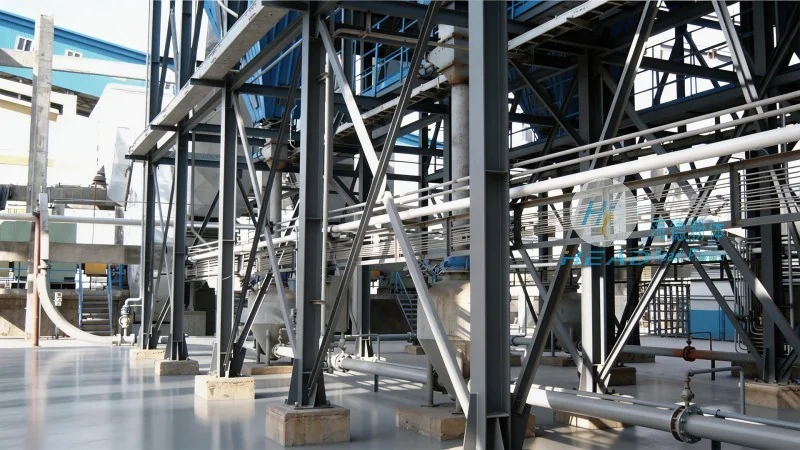
Maintenance and Operational Considerations
Proper maintenance is essential to ensure the reliable and efficient operation of automatic feeding pneumatic conveying systems. Regular inspection and cleaning of the components, such as the filter, conveying line, and rotary valve, are necessary to prevent blockages and maintain system performance. The filter should be checked and cleaned regularly to ensure that it is not clogged, which can affect the material flow and air pressure.
The rotary valve and feeder should also be inspected for wear and tear, as these components are subject to continuous operation. Any signs of wear should be addressed promptly to prevent material leakage or system failure. The blower or compressor should be checked for proper air pressure and flow rate, as any issues can impact the conveying efficiency.
The system's control panel should be monitored regularly to ensure that all parameters are within the desired range. Any deviations should be investigated and corrected to maintain optimal performance. The use of a programmable logic controller (PLC) allows for automated control and monitoring of the system, reducing the need for manual adjustments.
Training of personnel on the proper operation and maintenance of the system is also crucial for ensuring its longevity and efficiency. Operators should be familiar with the system's components and how to troubleshoot common issues. Regular maintenance schedules should be followed to prevent unexpected breakdowns and minimize downtime.
Conclusion
Automatic feeding pneumatic conveying systems represent a highly effective and efficient solution for material handling in various industrial applications. The technology offers numerous advantages, including the ability to handle diverse materials, maintain high levels of cleanliness, and operate continuously with minimal manual intervention. With proper maintenance and operational considerations, these systems can provide reliable and long-lasting performance, contributing to improved productivity and cost savings in industrial operations.