

Introduction to Vacuum-Pressure Mixed Pneumatic Conveying: Structure and Working Principles
HeadPowder, a leading provider of advanced material handling solutions, specializes in the design and implementation of vacuum-pressure mixed pneumatic conveying systems. This technology represents a sophisticated approach to transporting bulk materials over medium to long distances, combining the efficiency of vacuum and pressure modes to optimize material flow and system performance.
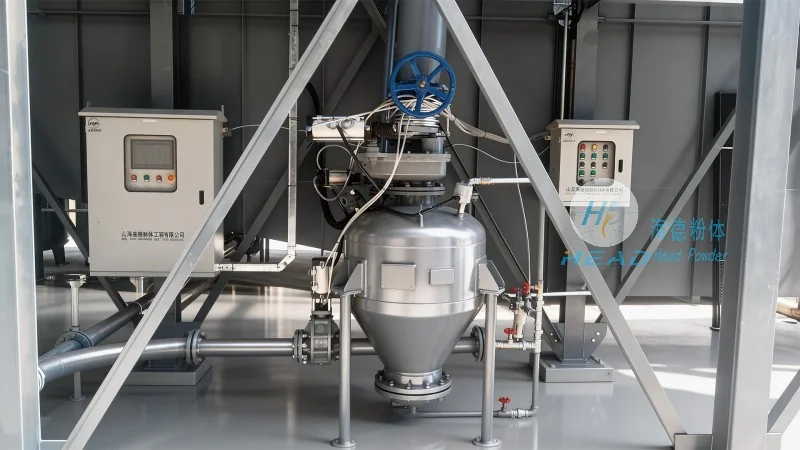
Overview of Vacuum-Pressure Mixed Pneumatic Conveying Systems
Vacuum-pressure mixed pneumatic conveying systems are engineered to handle a wide range of bulk materials, including powders, granules, and fine particles. The system operates by alternating between vacuum and pressure phases to move materials through a pipeline network. This hybrid approach ensures consistent material transport, reduces system wear, and minimizes product degradation compared to traditional single-mode systems. The technology is particularly suitable for applications requiring precise control over material flow rates and pressure differentials.
Key Structural Components and Working Principles
The core components of a vacuum-pressure mixed pneumatic conveying system include a vacuum pump, pressure blower, material feed hopper, conveying pipeline, and receiving hopper. The system begins by creating a vacuum in the pipeline to draw material from the feed hopper into the conveying line. Once the material is in the pipeline, the system switches to a pressure mode, using the blower to push the material towards the receiving hopper. This alternating process allows for efficient transport while maintaining low energy consumption and minimal pressure fluctuations.
HeadPowder's expertise lies in the integration of these components to create customized solutions tailored to specific operational needs. The company's engineers design systems that consider factors such as material characteristics, distance, and required flow rates, ensuring optimal performance and reliability. The use of high-quality materials in the construction of pipelines and components further enhances the durability and longevity of the system.
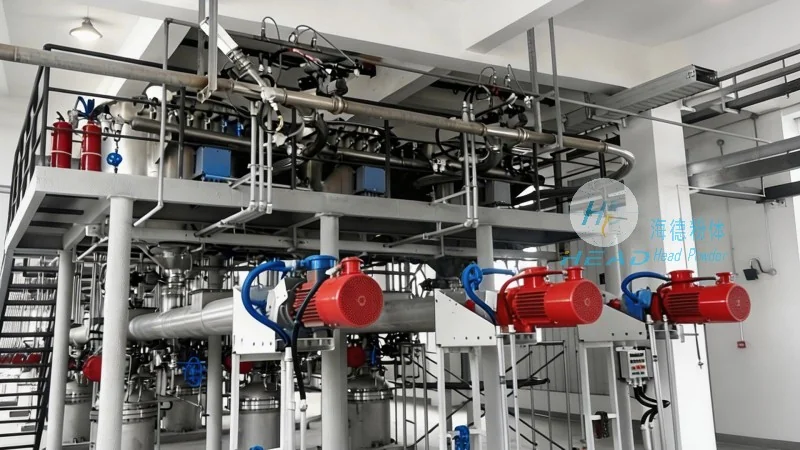
Advantages of Vacuum-Pressure Mixed Pneumatic Conveying
Compared to traditional vacuum or pressure-only systems, vacuum-pressure mixed pneumatic conveying offers several key advantages. The ability to switch between modes allows for better control over material transport, especially when dealing with materials that are sensitive to pressure or vacuum conditions. This flexibility reduces the risk of material blockages and improves overall system efficiency. Additionally, the hybrid approach results in lower energy consumption, as the system can operate in the most energy-efficient mode for each phase of the conveying process.
Another significant benefit is the reduced wear on system components. By alternating between vacuum and pressure, the system minimizes the continuous stress on any single component, extending the lifespan of the equipment. This translates to lower maintenance costs and increased operational uptime for clients. The technology also enables the transport of materials over longer distances without the need for intermediate storage or transfer points, simplifying the overall material handling process.
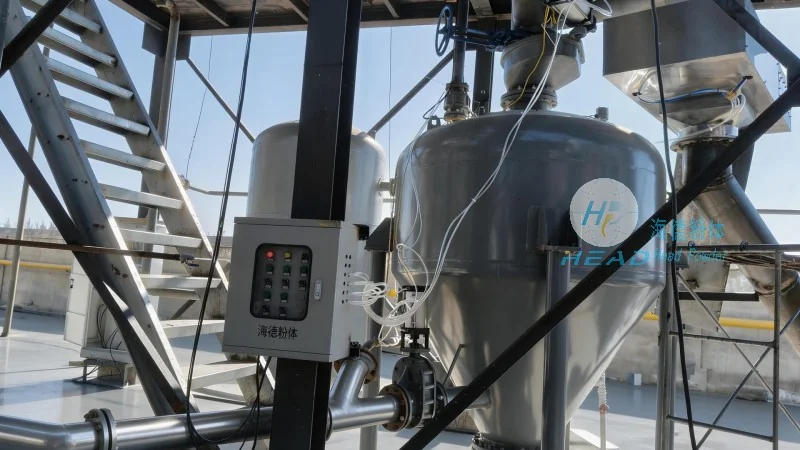
Application Examples and Industry Use Cases
Vacuum-pressure mixed pneumatic conveying systems are widely used in various industries, including pharmaceuticals, food processing, chemical manufacturing, and mining. In the pharmaceutical industry, for example, the system is used to transport sensitive powders and granules, ensuring that the materials remain sterile and free from contamination. In food processing, the technology is employed to handle ingredients like flour, sugar, and spices, maintaining product quality and hygiene standards. The chemical industry utilizes these systems for transporting powders and granules that require precise control over temperature and moisture levels.
HeadPowder has successfully implemented vacuum-pressure mixed pneumatic conveying systems for clients in China, leveraging its expertise in local material handling needs. The company's solutions have been tailored to meet the specific requirements of each application, ensuring that clients achieve optimal performance and compliance with industry regulations. The systems are designed to be scalable, allowing for future expansion as client needs evolve.
Conclusion and Company Profile
HeadPowder Engineering Co., Ltd., based in Shandong, China, is a trusted partner for businesses seeking advanced material handling solutions. With a focus on innovation and customer-centric design, the company provides vacuum-pressure mixed pneumatic conveying systems that enhance operational efficiency, reduce costs, and improve product quality. By combining technical expertise with practical application knowledge, HeadPowder delivers solutions that meet the unique challenges of each client's material handling needs. The company's commitment to quality and reliability has established it as a leader in the industry, serving clients across diverse sectors and ensuring long-term success in material transport and processing.