

Introduction to Equipment and Structural Principles of PVC Resin Pneumatic Conveying Systems
The PVC resin pneumatic conveying system is a specialized industrial equipment designed to transport PVC resin particles efficiently through an air-driven process. This system is widely used in the plastic manufacturing and processing industries, offering a reliable and flexible solution for material handling. The core of the system lies in its ability to convey bulk materials like PVC resin without the need for traditional mechanical components such as belts or buckets, which can be prone to wear and maintenance issues.
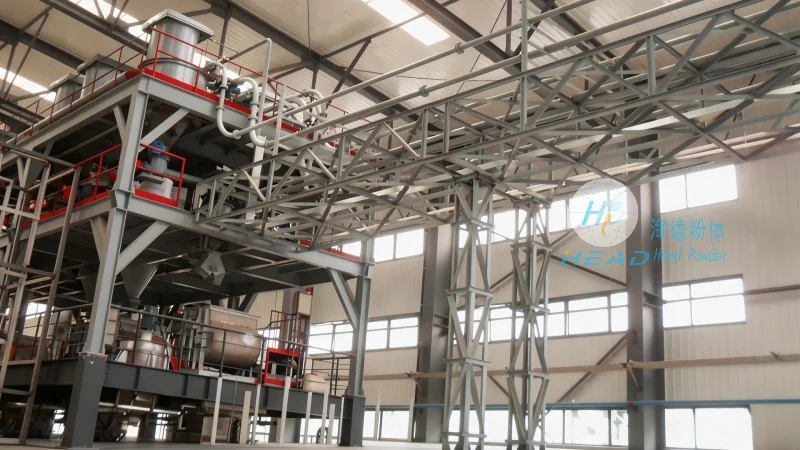
Key Components and Structural Principles
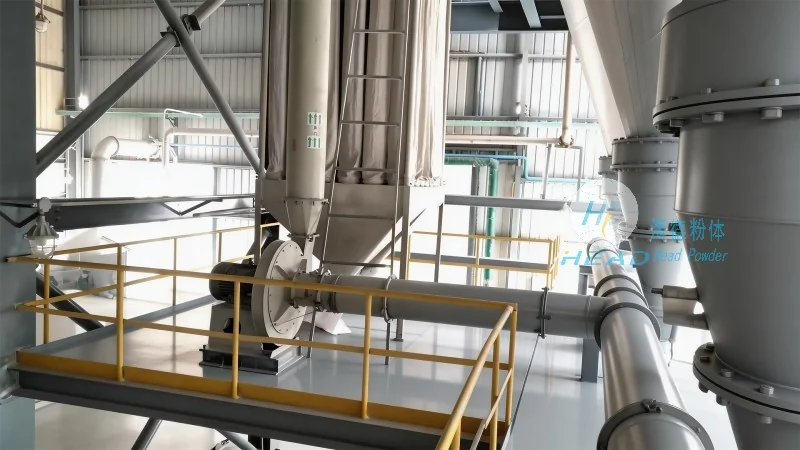
The PVC resin pneumatic conveying system typically consists of several critical components that work in tandem to ensure smooth operation. The main parts include the material hopper, which stores the PVC resin; the air compressor or blower, which generates the air pressure needed for conveying; the conveying line, which transports the resin particles; and the dust collector or filter system, which removes airborne particles to maintain air quality and comply with environmental regulations. The structural principle revolves around the use of air as the medium to lift and move the resin particles. When the air compressor pressurizes the system, it creates a flow of air that draws the resin from the hopper into the conveying line. The particles are then carried through the line by the air stream, eventually depositing at the destination point.
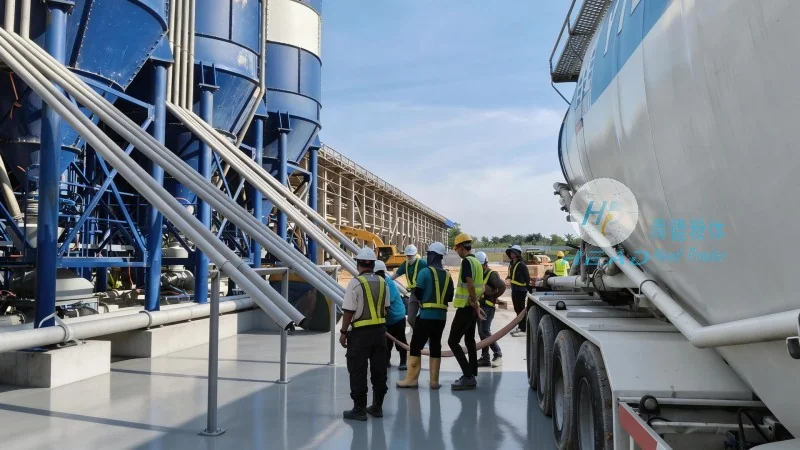
Working Principle of the Pneumatic Conveying Process
The operation of the PVC resin pneumatic conveying system follows a systematic process. Initially, the PVC resin is loaded into the material hopper. The air compressor then starts, generating a pressure that is introduced into the conveying line. As the air flows through the line, it creates a negative pressure or suction effect at the hopper, causing the resin particles to be drawn into the air stream. The particles are then carried along the line at a controlled velocity, depending on the air pressure and the size of the particles. The system is designed to maintain a consistent flow rate, ensuring that the resin reaches the processing equipment without clogging or loss. The dust collector at the end of the line captures any residual particles, preventing them from being released into the environment and maintaining a clean working environment.
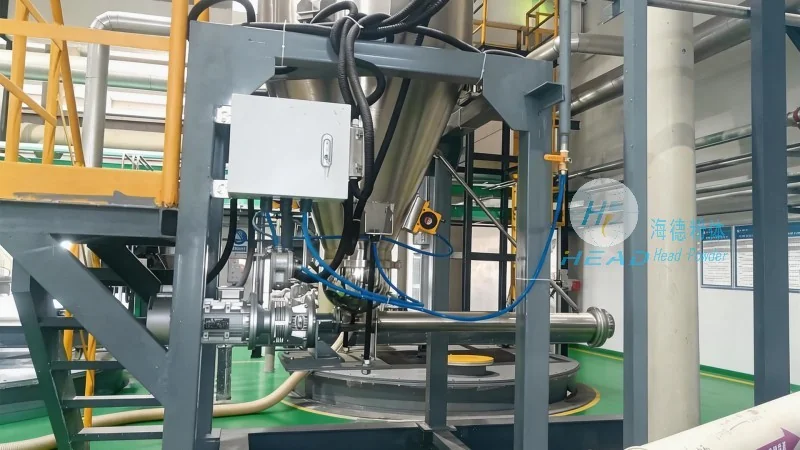
Advantages of Using PVC Resin Pneumatic Conveying Systems
There are several advantages to employing pneumatic conveying systems for PVC resin handling. Firstly, the system offers high efficiency in material transport, as it can move large quantities of resin quickly and with minimal downtime. Secondly, it reduces the risk of product contamination compared to mechanical systems, as there are no moving parts that come into direct contact with the resin. Thirdly, the system is flexible and can be easily adapted to different production layouts, allowing for changes in the flow path or destination of the resin. Additionally, the system is relatively low maintenance, as it has fewer mechanical components that require regular servicing. These advantages make the pneumatic conveying system an ideal choice for industries that require reliable and efficient handling of PVC resin.
Application Scenarios in the Plastic Industry
PVC resin pneumatic conveying systems are commonly used in various applications within the plastic manufacturing sector. For instance, in the production of PVC pipes, sheets, and profiles, the system is used to transport raw resin from storage to the extrusion or molding machines. In the manufacturing of PVC flooring or wall panels, the system efficiently conveys the resin to the mixing and processing units. The system is also used in the production of PVC cables and wires, where the resin is conveyed to the coating and extrusion equipment. In each of these applications, the pneumatic conveying system ensures that the PVC resin is delivered to the processing equipment in a consistent and controlled manner, enhancing the overall production efficiency.
Company Profile: Shandong HeadPowder Engineering Co., Ltd.
Shandong HeadPowder Engineering Co., Ltd., commonly known as headpowder, is a leading manufacturer and supplier of pneumatic conveying systems and related industrial equipment. The company is headquartered in Shandong, China, and has established itself as a trusted partner for industries requiring high-quality material handling solutions. With years of experience in the field, headpowder specializes in designing and manufacturing customized pneumatic conveying systems tailored to the specific needs of its clients. The company's products are known for their durability, efficiency, and reliability, making them suitable for demanding industrial environments. Headpowder's commitment to quality and customer satisfaction has earned it a strong reputation in the market, and it continues to serve a wide range of industries with its innovative and effective pneumatic conveying solutions.