

Introduction to Polycarbonate Pneumatic Conveying System Equipment: Structure and Principle Overview
Polycarbonate pneumatic conveying systems represent a sophisticated technology used in material handling and processing industries. These systems are designed to transport bulk materials through a pipeline using air or gas as the conveying medium. The equipment, manufactured by Shandong HeadPowder Engineering Co., Ltd., a leading company based in Shandong, China, combines advanced engineering with robust construction to ensure efficient and reliable material transport. This overview will delve into the key components, structural design, and operational principles of such systems, highlighting their application in various industrial settings.
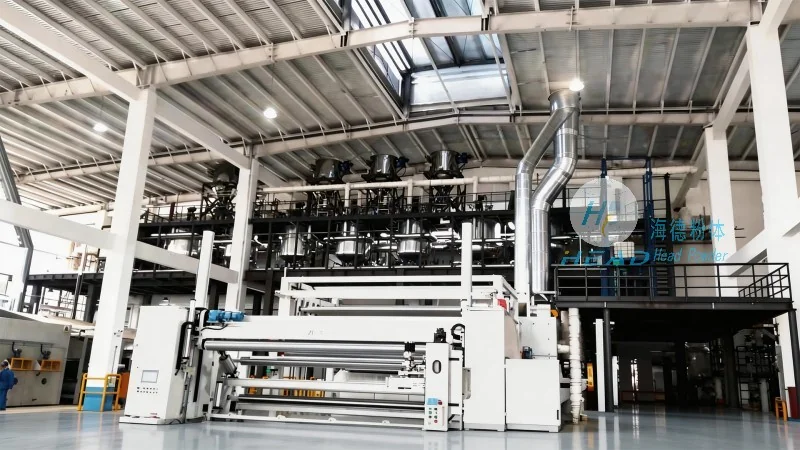
Overview of Polycarbonate Pneumatic Conveying Systems
A polycarbonate pneumatic conveying system is a closed-loop system that facilitates the movement of dry bulk materials from a source to a destination without the need for mechanical components like belts or buckets. The system operates by creating a pressure differential within the pipeline, which propels the material forward. This method is particularly advantageous for materials that are dusty, abrasive, or sensitive to moisture, as it minimizes contamination and damage during transport. The system's design allows for flexibility in layout, enabling it to adapt to different facility configurations and process requirements.
Key Structural Components and Their Functions
The polycarbonate pneumatic conveying system consists of several critical components, each playing a vital role in the overall operation. These components include the material feed hopper, the air or gas source (usually a blower or compressor), the conveying pipeline, the control valves, and the discharge unit. The material feed hopper is responsible for storing and feeding the bulk material into the system, ensuring a consistent flow rate. The air source provides the necessary pressure and volume to move the material through the pipeline. The conveying pipeline, typically made from durable materials like polycarbonate or other high-strength plastics, is designed to withstand the pressure and abrasion from the conveyed material. Control valves regulate the flow of air and material, allowing for precise control over the conveying process. The discharge unit collects the material at the end of the pipeline and directs it to the final destination, such as a silo, storage tank, or processing unit.
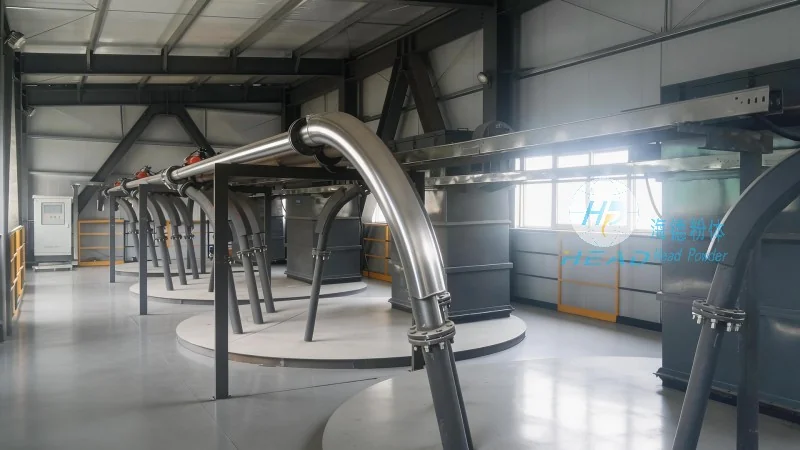
Operational Principle: How the System Works
The operational principle of a polycarbonate pneumatic conveying system is based on the creation of a pressure differential. When the system is activated, the air source generates a high-pressure air stream that enters the conveying pipeline. Simultaneously, the material from the feed hopper is introduced into the pipeline, either by gravity or by an integrated feeder. The air stream then lifts and propels the material particles forward through the pipeline. The velocity of the air and the size of the material particles determine the conveying velocity and efficiency. The system maintains a consistent flow by controlling the air pressure and material feed rate. As the material travels through the pipeline, it may encounter bends, expansions, or other components that require additional air pressure to maintain the conveying process. The discharge unit at the end of the pipeline reduces the air velocity, allowing the material to settle and be collected.
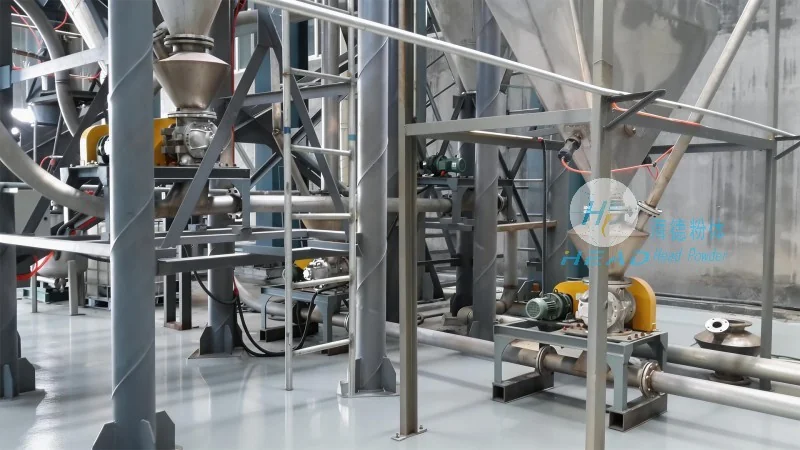
Advantages of Polycarbonate Pneumatic Conveying Systems
Polycarbonate pneumatic conveying systems offer several advantages over traditional mechanical conveying methods. One of the primary benefits is the ability to handle a wide range of materials, including fine powders, granules, and bulk solids. The closed-loop design minimizes dust emissions and environmental contamination, making it suitable for applications where dust control is critical. Additionally, the system is compact and can be integrated into existing facility layouts, reducing space requirements. The lack of moving parts, such as belts or buckets, reduces maintenance costs and increases system reliability. The system also allows for easy cleaning and maintenance, as the components can be disassembled and inspected without disrupting the entire operation. Furthermore, the polycarbonate material used in the pipeline is resistant to chemical corrosion and abrasion, extending the system's lifespan and reducing replacement costs.
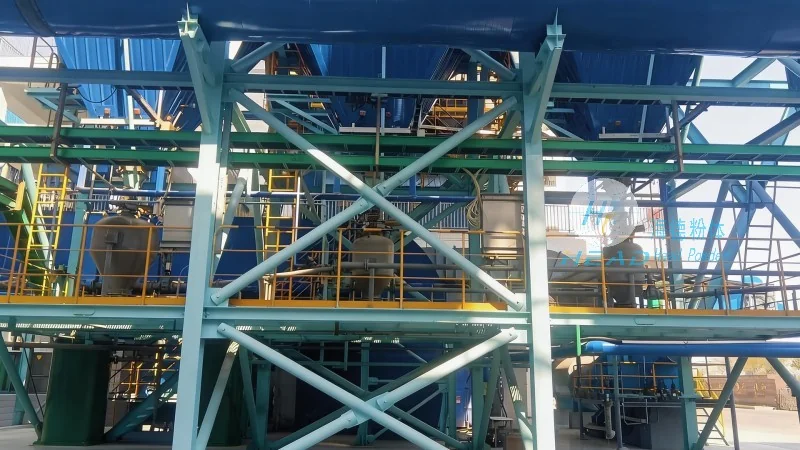
Application Examples and Industries
Polycarbonate pneumatic conveying systems are widely used in various industries, including food processing, pharmaceuticals, chemicals, and mining. In the food industry, these systems are used to transport ingredients like flour, sugar, and spices, ensuring hygiene and preventing contamination. In the pharmaceutical industry, the systems are employed to handle active pharmaceutical ingredients (APIs) and other sensitive materials, maintaining strict quality control standards. The chemical industry utilizes these systems for transporting powders and granules, such as fertilizers and pigments, while the mining industry uses them to move ore and other bulk materials from processing plants to storage facilities. The versatility and efficiency of polycarbonate pneumatic conveying systems make them a preferred choice in these and other sectors where reliable material handling is essential.
Conclusion
Polycarbonate pneumatic conveying systems, manufactured by Shandong HeadPowder Engineering Co., Ltd., represent a cutting-edge solution for efficient and reliable bulk material transport. By leveraging advanced engineering and robust construction, these systems provide a cost-effective and environmentally friendly alternative to traditional mechanical conveying methods. The system's ability to handle diverse materials, minimize dust emissions, and adapt to various industrial applications makes it a valuable asset for businesses seeking to optimize their material handling processes. With its focus on quality and innovation, Shandong HeadPowder Engineering Co., Ltd. continues to lead the industry in providing high-performance pneumatic conveying solutions that meet the evolving needs of modern manufacturing and processing.