

Introduction to Equipment and Structural Principles of Polyethylene Powder Pneumatic Conveying Syste
HeadPowder, a leading provider in the field, offers comprehensive solutions for the efficient handling and transportation of polyethylene powder through pneumatic conveying systems. This article provides an in-depth look at the equipment involved, its structural design, and the underlying principles that enable effective material transport. The focus is on the technical aspects and practical applications of these systems, tailored to meet industrial demands for reliability and performance.
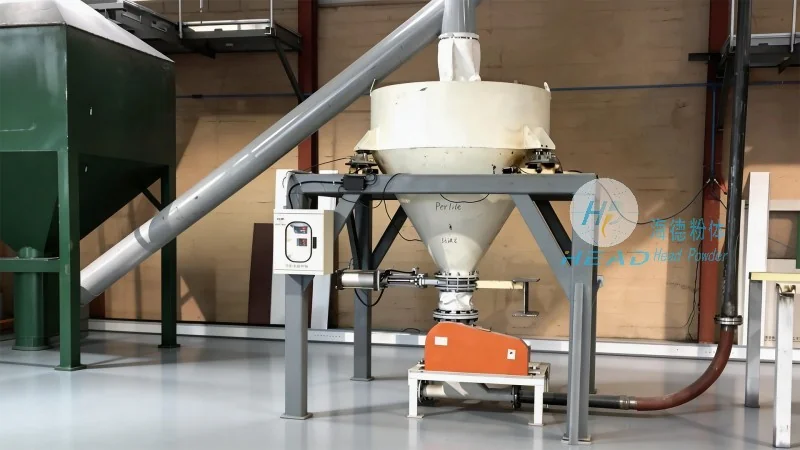
Key Components and Equipment in Pneumatic Conveying Systems
The polyethylene powder pneumatic conveying system typically consists of several critical components that work in concert to ensure smooth material transfer. These include the material feed hopper, which holds the polyethylene powder and regulates the flow rate; the air compressor or blower, responsible for generating the necessary air pressure to move the powder; the conveying line, which can be either positive or negative pressure depending on the system design; and the receiving hopper or silo where the material is deposited. Each component plays a vital role in maintaining the system's efficiency and preventing material degradation or blockages.
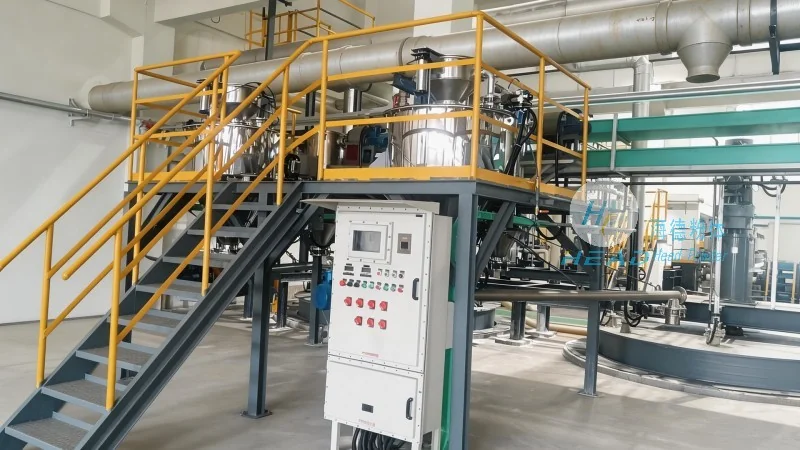
Structural Principles and Operational Mechanisms
The structural design of a pneumatic conveying system for polyethylene powder is engineered to handle the specific properties of the material, such as its particle size, density, and flow characteristics. The system operates on the principle of using air to create a fluidized or suspended state of the powder, allowing it to be transported through the pipeline. In positive pressure systems, air is forced into the conveying line, carrying the powder particles along with it. Conversely, negative pressure systems draw the material into the line using a vacuum. The choice between these two depends on factors like the distance to be covered, the material's properties, and the desired system layout. The design also incorporates features like pulse jets or rotary valves to control the flow and prevent clogging, ensuring consistent performance.
Advantages and Applications in Industrial Settings
Pneumatic conveying systems for polyethylene powder offer numerous advantages over traditional methods like belt conveyors or bucket elevators. These include reduced material degradation due to minimal contact with equipment, lower maintenance requirements as there are fewer moving parts in the conveying line, and the ability to handle materials in a closed system, minimizing dust emissions and environmental impact. The systems are widely used in various industries, including plastics manufacturing, chemical processing, and food processing, where the handling of fine powders is essential. For instance, in polyethylene production facilities, these systems are crucial for transporting raw materials from storage to processing units, ensuring a continuous and clean production process.
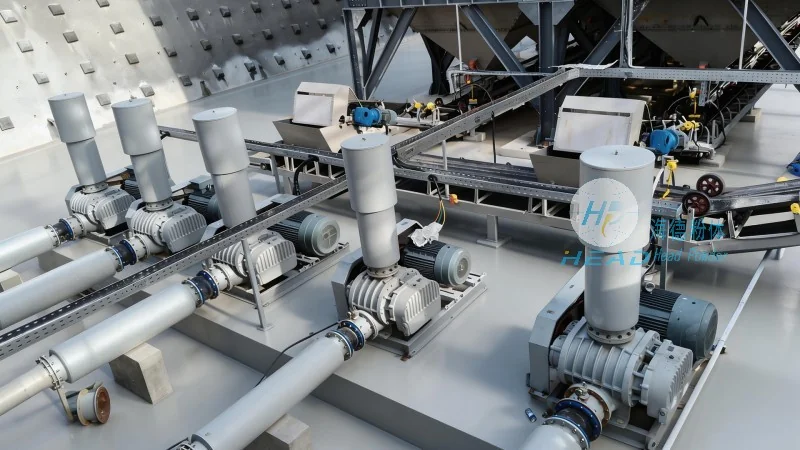
Company Profile: Shandong HeadPowder Engineering Co., Ltd.
HeadPowder, operating from Shandong, China, is a reputable company specializing in the design, manufacturing, and installation of pneumatic conveying systems. With a strong commitment to quality and innovation, the company has built a solid reputation in the industry by delivering customized solutions that meet the unique needs of its clients. The company's team of experienced engineers and technicians ensures that each system is tailored to the specific requirements of the application, whether it involves short-distance transport or long-distance pipelines. HeadPowder's expertise in material handling technology, combined with its focus on customer satisfaction, makes it a trusted partner for businesses seeking reliable and efficient polyethylene powder conveying solutions.