

Introduction to Equipment and Structural Principles of Phosphorus Pentoxide Pneumatic Conveying Syst
Phosphorus pentoxide (P₂O₅), also known as phosphoric anhydride, is a highly hygroscopic and reactive chemical compound widely used in industrial applications such as chemical synthesis, pharmaceutical production, and material processing. The safe and efficient handling of P₂O₅ is critical due to its hazardous properties, including strong corrosivity and the potential for rapid moisture absorption. Pneumatic conveying systems have emerged as a preferred method for transporting P₂O₅, offering advantages like dust-free operation, reduced risk of contamination, and enhanced safety compared to traditional methods like bulk handling or vacuum systems.
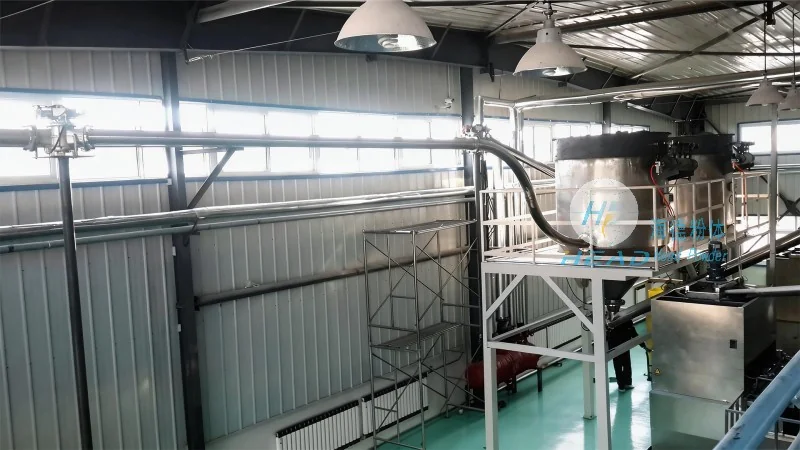
About Shandong HeadPowder Engineering Co., Ltd.
Shandong HeadPowder Engineering Co., Ltd., commonly known as HeadPowder, is a leading manufacturer and supplier of specialized equipment for the chemical industry. With a focus on innovation and quality, HeadPowder has established itself as a trusted partner in the production and distribution of advanced pneumatic conveying solutions. HeadPowder's expertise lies in designing and manufacturing systems tailored to handle hazardous and sensitive materials like phosphorus pentoxide, ensuring compliance with industry standards and customer-specific requirements.
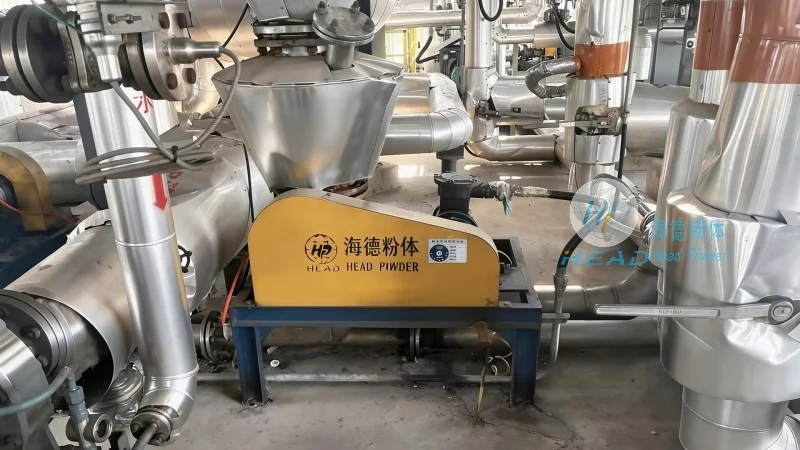
Overview of Phosphorus Pentoxide Pneumatic Conveying Equipment
The pneumatic conveying system for phosphorus pentoxide typically consists of several key components, including a hopper for material storage, a feeder to control the flow rate, a conveying line (usually a pipeline), and a receiver for the delivered material. The system may also incorporate additional elements such as filters, cyclones, and dust collectors to ensure the material is transported without loss or contamination. HeadPowder's equipment is engineered to handle the unique characteristics of P₂O₅, including its high reactivity and hygroscopic nature, by using materials resistant to corrosion and moisture.
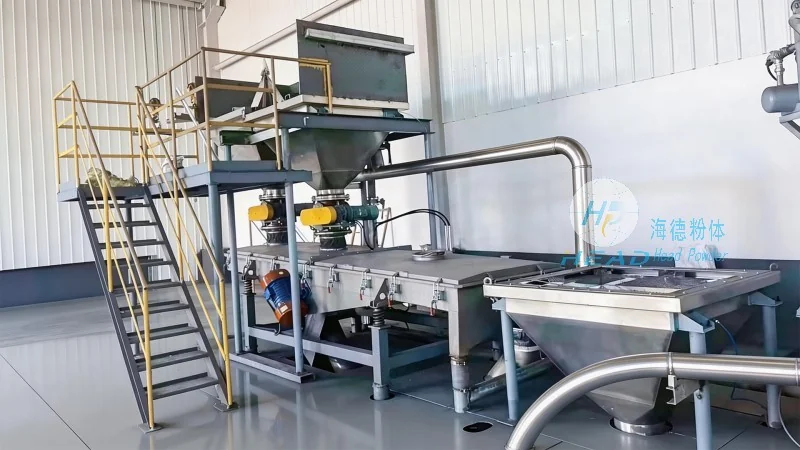
Structural Principles and Working Mechanism
The core principle of pneumatic conveying involves the use of air or gas to transport solid particles through a pipeline. In the case of phosphorus pentoxide, the system operates under pressure or suction, depending on the specific application. The feeder mechanism ensures a consistent and controlled flow of the material into the conveying line, preventing blockages and maintaining system efficiency. The conveying line is designed with appropriate diameters and smooth surfaces to minimize friction and particle degradation. At the receiving end, the material is separated from the air stream, often through a cyclone or filter system, and collected in a designated container. HeadPowder's systems are equipped with advanced control technologies to monitor and adjust the conveying parameters in real-time, optimizing performance and ensuring the safe handling of P₂O₅.
Key Features and Advantages of the System
HeadPowder's phosphorus pentoxide pneumatic conveying systems offer several advantages over conventional handling methods. The dust-free operation reduces the risk of inhalation and environmental contamination, while the enclosed system minimizes the exposure of personnel to hazardous materials. The system's ability to handle high volumes of material efficiently reduces processing time and improves overall productivity. Additionally, the modular design of the equipment allows for easy installation, maintenance, and scalability, making it suitable for various production scales and applications. The use of corrosion-resistant materials and advanced sealing technologies ensures long-term durability and reliability of the system.
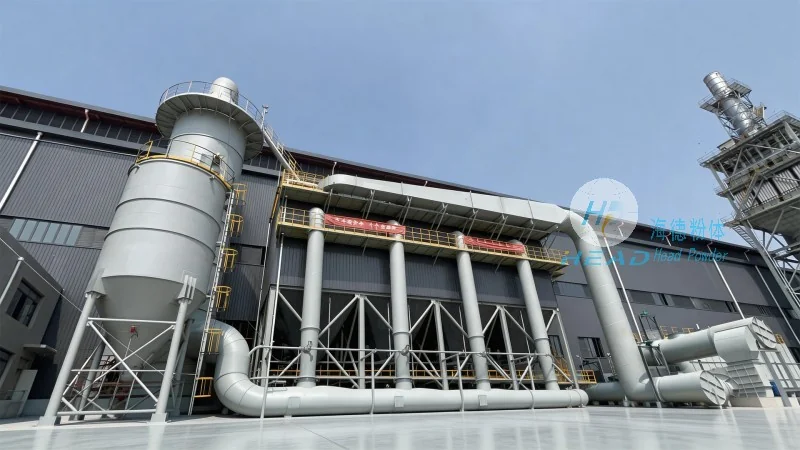
Application and Safety Considerations
The phosphorus pentoxide pneumatic conveying system is widely used in industries where the safe and efficient transport of this chemical is essential. Applications include the production of phosphoric acid, fertilizers, and specialty chemicals, as well as in research and development laboratories. Safety is a paramount concern when handling P₂O₅, and HeadPowder's systems are designed with multiple safety features, including pressure relief valves, emergency shut-off mechanisms, and monitoring systems to detect abnormal conditions. Regular maintenance and inspection of the equipment are crucial to ensure its continued safe operation and compliance with regulatory standards.