

Design Considerations for Denitrification Fly Ash Pneumatic Conveying System Solutions
Denitrification fly ash, a byproduct of flue gas desulfurization processes in thermal power plants, necessitates efficient handling and transport for disposal or beneficial reuse. Pneumatic conveying systems emerge as a reliable and versatile solution for this application, offering advantages such as flexibility, safety, and reduced labor requirements compared to traditional methods like truck transport or belt conveyors. This article delves into the key design considerations for implementing effective denitrification fly ash pneumatic conveying systems, focusing on technical principles and practical implementation strategies to ensure optimal performance and compliance with environmental regulations.
Key Design Elements for Pneumatic Conveying Systems
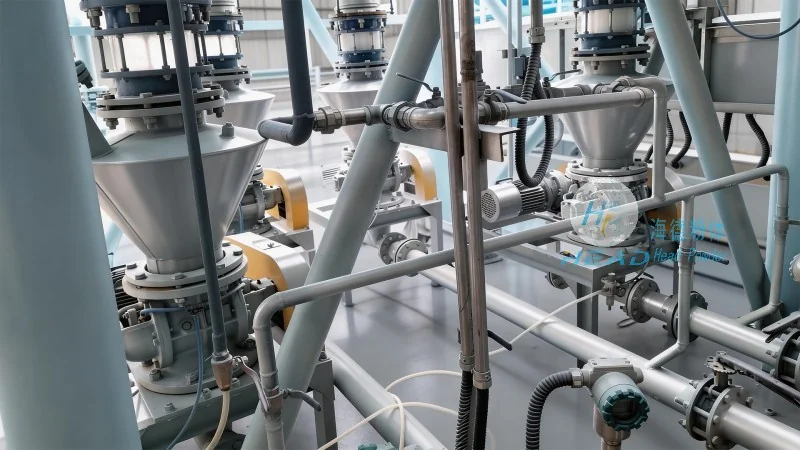
The effectiveness of a denitrification fly ash pneumatic conveying system is determined by several critical design elements that must be carefully evaluated and optimized. These elements include the selection of the conveying medium (air or gas), the configuration of the pipeline network, and the integration of essential equipment such as blowers, cyclones, and dust collectors. The choice of air pressure and flow rate directly impacts the system's capacity, energy consumption, and overall efficiency. Proper sizing of the pipeline diameter and length is crucial to minimize pressure drop and prevent material blockages or segregation. Additionally, the design must account for the physical properties of the fly ash, including its particle size distribution, moisture content, and abrasiveness, as these factors influence the system's wear rates, maintenance requirements, and overall longevity. For instance, high-abrasive fly ash may require specialized pipeline materials or wear-resistant coatings to extend the system's operational life.
System Components and Their Functions
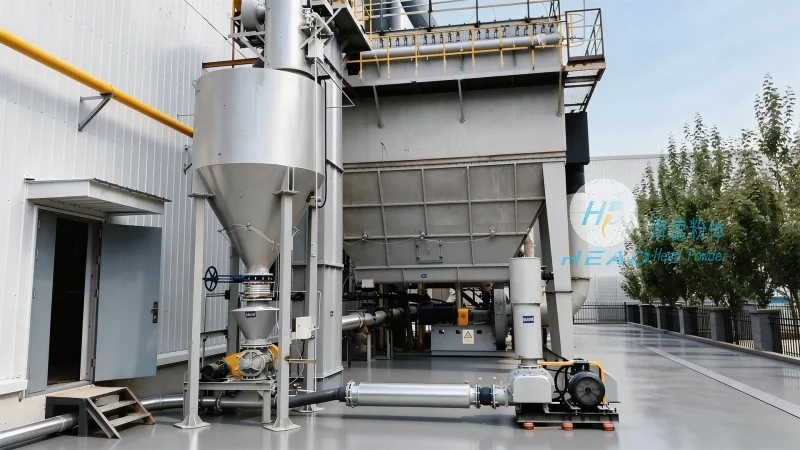
Shandong HeadPowder Engineering Co., Ltd. specializes in designing and manufacturing comprehensive pneumatic conveying solutions tailored to the unique demands of denitrification fly ash handling. The system typically comprises several interrelated components, each playing a vital role in the material transport process. The blower or compressor serves as the primary power source, generating the necessary pressure to move the fly ash through the pipeline. Cyclones are employed for separation, allowing the ash to be collected while the conveying air is returned to the system for reuse. Dust collectors, such as bag filters or electrostatic precipitators, ensure that fine particles are captured, preventing air pollution and maintaining compliance with local and national air quality standards. The pipeline network, often constructed from stainless steel or other corrosion-resistant materials, must be designed to withstand the abrasive nature of the fly ash and the pressure differentials within the system. HeadPowder's expertise lies in optimizing these components to achieve a balance between performance, cost, and durability, ensuring the system operates reliably over its intended lifespan.
Material Handling and Process Integration
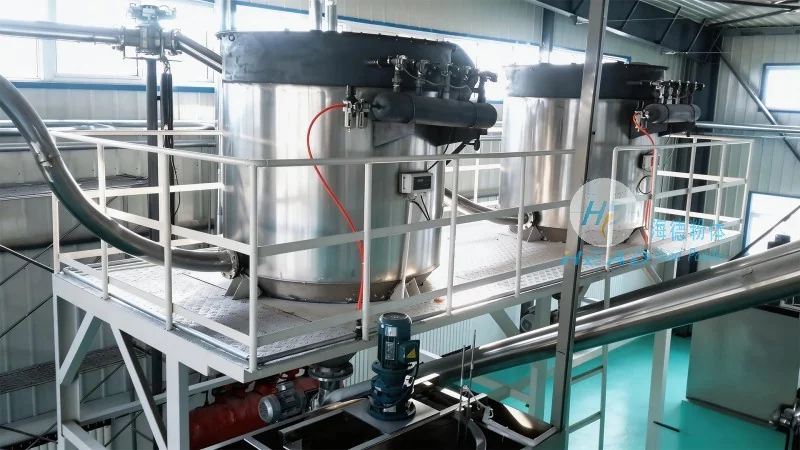
Integrating the denitrification fly ash pneumatic conveying system with the broader power plant operations is a critical aspect of its design and implementation. The system must be compatible with existing infrastructure, such as storage silos, transfer points, and disposal facilities, to ensure seamless material flow from the desulfurization unit to the final destination. This integration may involve connecting the system to the plant's existing dust collection or material handling networks, requiring careful coordination with the plant's operational team to identify potential bottlenecks and optimize the system's performance. For example, the placement of transfer points and the use of flexible connectors can enhance the system's adaptability to changes in plant operations or material availability. The system's control system must also be integrated with the plant's overall control network to enable real-time monitoring and adjustment of conveying parameters, such as air pressure and flow rate, based on operational conditions. This integration ensures the system operates efficiently and safely, minimizing downtime and maximizing material throughput.
Environmental and Safety Considerations
Denitrification fly ash handling poses significant environmental and safety challenges that must be addressed in the system design. The primary concern is the prevention of air pollution and the control of dust emissions, as fine fly ash particles can contribute to air quality degradation if not properly captured. Effective dust collection systems, including bag filters and electrostatic precipitators, are integrated into the design to capture fine particles and ensure compliance with environmental regulations. Safety features, such as pressure relief valves, emergency shutdown systems, and monitoring sensors, are also incorporated to protect personnel and equipment from potential hazards, including overpressure, fire, or explosion risks. The system's design must also consider the potential for spontaneous combustion in the fly ash, particularly if it contains combustible materials like carbon or sulfur compounds. Proper ventilation and temperature monitoring are essential to mitigate this risk and prevent accidental fires. HeadPowder's commitment to environmental compliance and safety is reflected in the robust design features incorporated into their denitrification fly ash pneumatic conveying systems, which are engineered to meet or exceed industry standards and regulatory requirements.
Installation and Maintenance Strategies
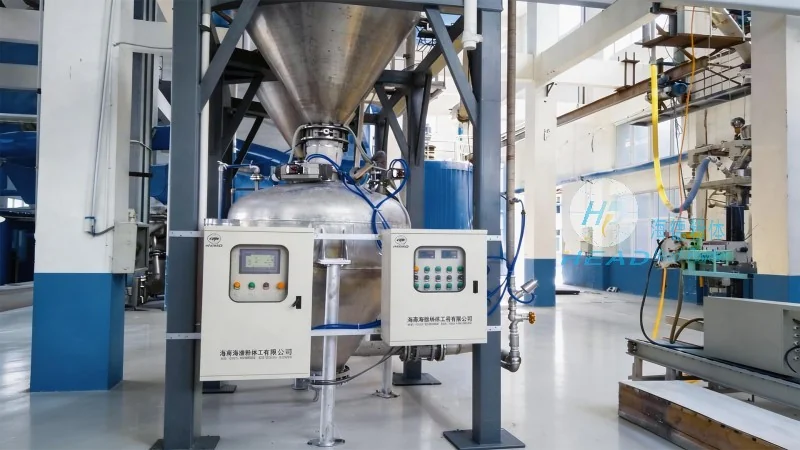
The successful implementation of a denitrification fly ash pneumatic conveying system requires meticulous planning, precise execution, and ongoing maintenance to ensure optimal performance and longevity. The installation process involves careful alignment of the pipeline network, proper connection of components, and thorough testing to verify the system operates as designed. HeadPowder provides comprehensive installation services, including on-site supervision and commissioning, to ensure the system meets all performance criteria and is ready for operation. Maintenance is another critical aspect of system longevity, as regular inspections and preventive maintenance are necessary to detect wear and tear early and address issues before they become major problems. The use of high-quality materials and components, such as wear-resistant liners and corrosion-resistant coatings, extends the system's lifespan and reduces maintenance costs. Additionally, HeadPowder offers technical support and maintenance services to help clients optimize the system's performance, troubleshoot issues, and implement upgrades as needed. By adhering to these strategies, clients can maximize the efficiency and reliability of their denitrification fly ash pneumatic conveying systems while minimizing operational costs and environmental impact.