

[Iron Ore Fines Pneumatic Conveying Technology: Principles, Applications, and Development Trends]
HeadPowder, a leading engineering firm based in Shandong, China, specializes in the design and implementation of pneumatic conveying systems for iron ore fines. This article explores the fundamental principles behind this technology, its practical applications across various industries, and the evolving trends that shape its future development.
Principles of Pneumatic Conveying for Iron Ore Fines
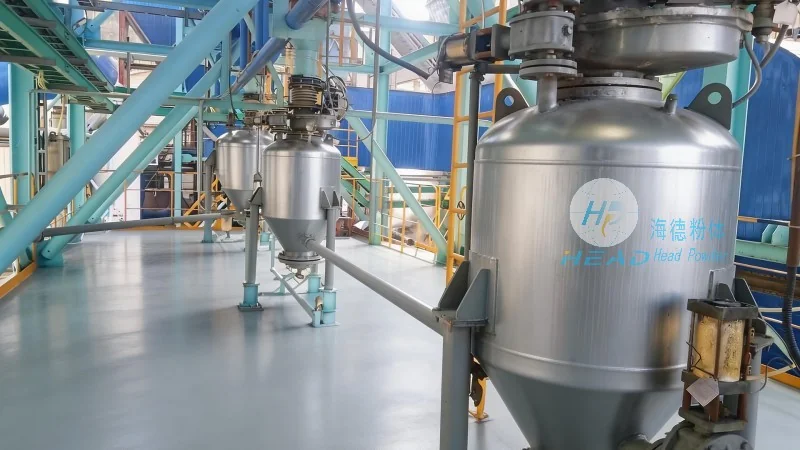
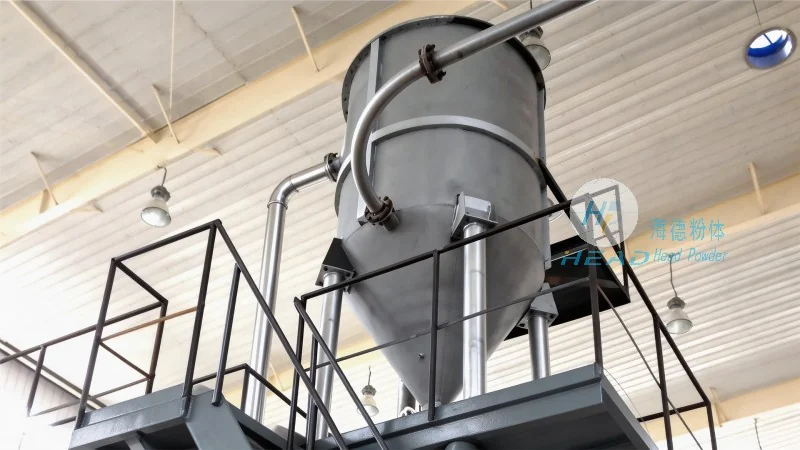
The fundamental principles of pneumatic conveying for iron ore fines revolve around the use of air as a medium to transport bulk solids. This technology operates on the principle of fluidization, where the ore fines are suspended and carried along the pipeline by the moving air stream. The process can be categorized into two main types: pressure and vacuum systems. In pressure systems, compressed air is introduced into the conveying line, creating a positive pressure that propels the ore fines forward. The air velocity within the pipe must be sufficient to keep the particles suspended, typically ranging from 20 to 30 meters per second, depending on the particle size and density. Vacuum systems, on the other hand, create a negative pressure in the pipeline, drawing the ore fines from the source. This method is often used for shorter distances or when the material needs to be transported from a higher elevation to a lower one. The design of the system, including the hopper design, airlock valves, and filter units, is crucial to ensure efficient and dust-free operation. The hopper must be designed to minimize material bridging and ensure consistent flow, while airlocks prevent backflow and maintain a stable pressure. Filters are essential to capture any dust particles that may escape, protecting the environment and maintaining air quality. The overall efficiency of the system depends on the balance between air velocity, pressure, and the physical properties of the iron ore fines, such as particle size distribution, moisture content, and density.
Applications of Iron Ore Fines Pneumatic Conveying
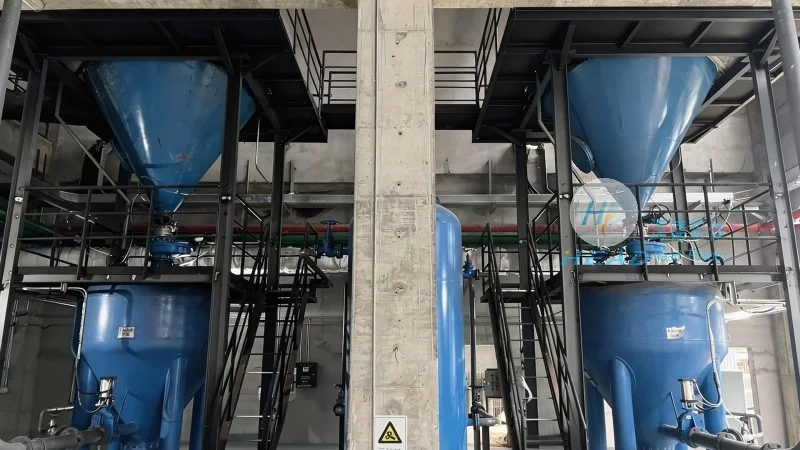
HeadPowder's pneumatic conveying systems for iron ore fines find extensive applications across various industrial sectors. In the mining industry, these systems are critical for transporting ore from the extraction site to processing facilities, such as crushers and mills. Traditional methods like trucking or belt conveyors can be inefficient and costly, especially for long distances or in remote areas. Pneumatic conveying offers a more streamlined solution, reducing transportation time and labor costs. For example, in a large iron ore mine, the ore fines are collected from the ore stockpile and conveyed to the processing plant via a network of pipelines. This not only improves operational efficiency but also minimizes environmental impact by reducing dust emissions and vehicle traffic. In the steel industry, the technology is used to transport raw materials like iron ore to sintering plants or pelletizing facilities, where the ore is prepared for further processing. The consistent and dust-free transport of iron ore fines is essential for maintaining the quality of the final steel product. Additionally, in the construction and cement industries, iron ore fines are used as a raw material in the production of cement and concrete. Pneumatic conveying systems ensure reliable and efficient transport of these fines from storage silos to the production lines, enhancing the overall productivity of the plants. The versatility of HeadPowder's systems allows them to be customized for different applications, from small-scale mining operations to large-scale industrial plants, making them a preferred choice for material handling in these sectors.
Development Trends in Iron Ore Fines Pneumatic Conveying
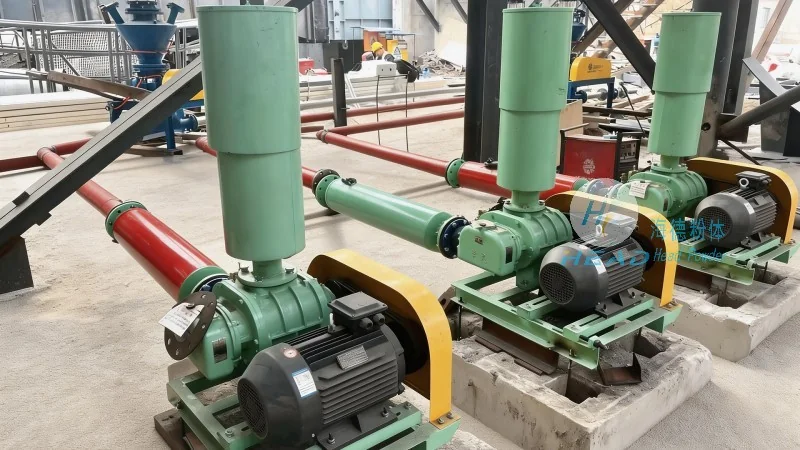
The development of iron ore fines pneumatic conveying technology is driven by the need for more efficient, sustainable, and reliable material handling solutions. One key trend is the integration of advanced automation and control systems. Modern pneumatic conveying systems now incorporate sensors, such as pressure transducers and flow meters, which monitor key parameters in real-time. This data is processed by a control panel, allowing for automatic adjustments to air pressure, flow rate, and material feed, ensuring optimal performance and preventing system failures. Automation not only improves efficiency but also reduces the need for manual intervention, lowering labor costs and enhancing safety. Another significant trend is the use of advanced materials in pipeline construction. Iron ore fines are abrasive and can be corrosive due to their chemical composition, which can lead to wear and tear on traditional materials like carbon steel. To address this, manufacturers are now using stainless steel, high-grade alloys, or specialized coatings that resist corrosion and abrasion. These materials extend the system's lifespan and reduce maintenance requirements, making the technology more cost-effective in the long run. Energy efficiency is also a major focus in recent developments. Engineers are optimizing air velocity and pressure to minimize energy consumption without compromising transport efficiency. This is achieved through the use of variable frequency drives (VFDs) that adjust the air compressor speed based on the system's demand. Additionally, research into hybrid conveying systems is underway, combining pneumatic and mechanical transport methods to address specific challenges, such as long-distance transport or high material loads. These hybrid systems offer a balance between the flexibility of pneumatic transport and the reliability of mechanical systems. Furthermore, there is an increasing emphasis on environmental sustainability. Modern pneumatic conveying systems are equipped with advanced filtration and dust control systems that capture and recycle dust particles, reducing emissions and complying with environmental regulations. These developments reflect the industry's commitment to sustainable practices and ensure that iron ore fines pneumatic conveying remains a vital and evolving technology in the future.