

[Detailed Explanation of Rapeseed Pneumatic Conveying Systems]
Rapeseed, also known as canola, is a vital oilseed crop cultivated globally for its high oil content and nutritional benefits. The efficient transportation of rapeseed from storage facilities to processing plants is crucial for maximizing yield and preserving product quality. Pneumatic conveying systems have become a sophisticated solution for this task, offering advantages such as reduced contamination, enhanced safety, and operational flexibility. This article provides a comprehensive overview of rapeseed pneumatic conveying systems, focusing on their design, functionality, and practical applications.
Core Components of a Rapeseed Pneumatic Conveying System
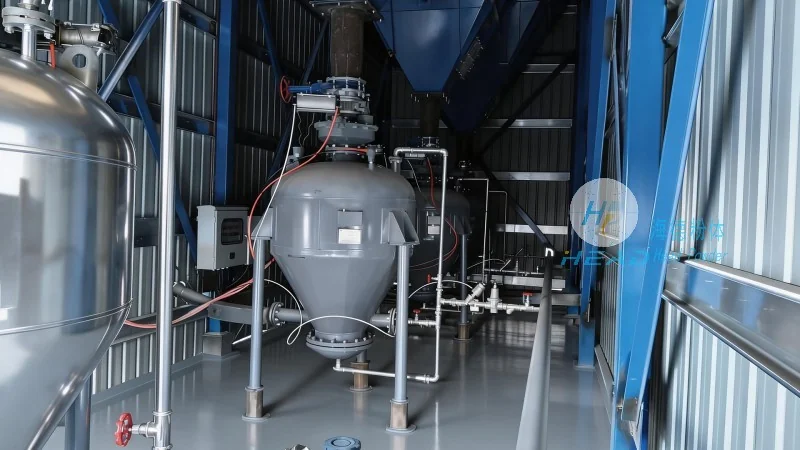
A typical rapeseed pneumatic conveying system comprises several key components that work in unison to facilitate material transport. The primary elements include the storage hopper or bin, the conveyor line (which may operate under positive or negative pressure), the airlock or rotary valve, and the receiving/discharge unit. The hopper is engineered to store raw rapeseed, ensuring a consistent feed to the conveyor. The conveyor line, often constructed from stainless steel or other corrosion-resistant materials, is responsible for transporting the seed through the system. The airlock or rotary valve acts as a control mechanism, regulating material flow and preventing backflow. The receiver collects the processed rapeseed and may incorporate additional equipment for cleaning or drying.
Types of Pneumatic Conveying Systems for Rapeseed
Two main types of pneumatic conveying systems are utilized in rapeseed handling: positive pressure and negative pressure systems. Positive pressure systems employ a blower or fan to push air and material through the conveyor line, making them suitable for long-distance or high-capacity applications. Negative pressure systems, conversely, use a vacuum to draw material into the system, which is ideal for short-distance or low-volume operations. The selection between these systems depends on factors such as the distance between storage and processing areas, required capacity, and material containment needs. Both systems are designed to accommodate rapeseed's specific characteristics, including particle size, density, and moisture content.
Advantages of Implementing Pneumatic Conveying for Rapeseed
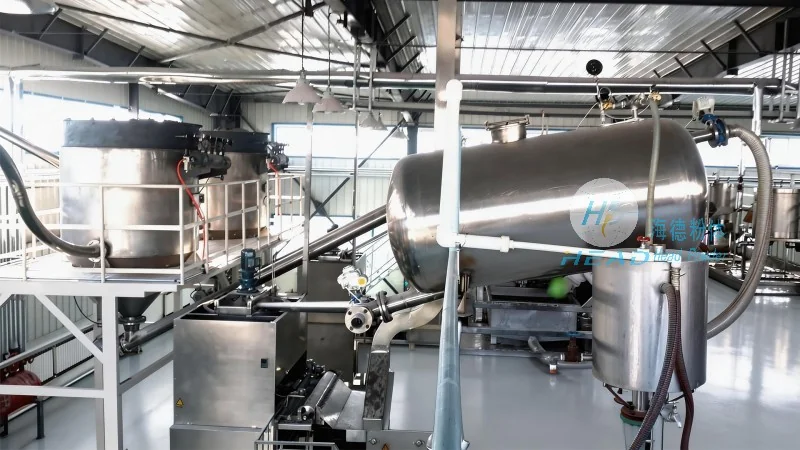
Adopting a pneumatic conveying system for rapeseed offers numerous benefits that enhance operational efficiency. One significant advantage is the reduction of product contamination. Unlike mechanical conveyors, which may cause friction and generate dust, pneumatic systems minimize external contact, preserving seed quality. Additionally, these systems improve workplace safety by eliminating manual handling of heavy or bulky loads, reducing injury risks. The flexibility of pneumatic conveying also allows seamless integration with other processing equipment, such as cleaning or grading machines, enabling a streamlined production process. Furthermore, closed system transport helps maintain consistent moisture levels and protects rapeseed from pests or environmental factors that could compromise quality.
Design Considerations for Efficient Rapeseed Pneumatic Conveying
Designing an effective pneumatic conveying system for rapeseed requires careful consideration of several factors to ensure optimal performance. The first consideration is the material's physical properties, including particle size, density, and moisture content. These characteristics influence air velocity and pressure requirements for successful transport. For instance, rapeseed with larger particles may necessitate higher air velocities to prevent blockages in the conveyor line. Another critical factor is system capacity, which must align with production needs. Overloading can reduce efficiency and increase component wear. The system's layout, including conveyor line height and length, also impacts required air pressure and energy consumption. Proper maintenance—such as regular filter cleaning and component inspection—is essential to prevent clogs and ensure long-term reliability.
Applications of Rapeseed Pneumatic Conveying Systems
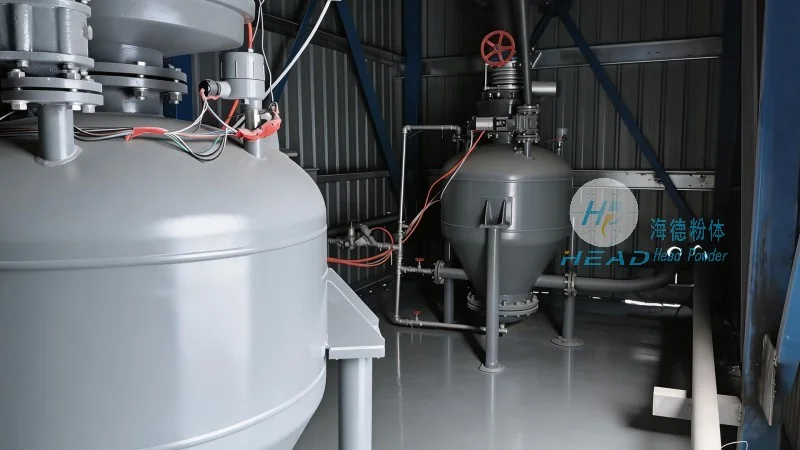
Rapeseed pneumatic conveying systems are widely used across various stages of the oilseed processing industry. In agriculture, these systems transport harvested rapeseed from storage bins to processing plants, ensuring a continuous raw material supply. During processing, the system moves rapeseed through cleaning, grading, and drying equipment, facilitating high-quality seed preparation for oil extraction. In oil production, pneumatic conveying transports rapeseed to extraction equipment, where it is processed into oil and meal. The versatility of these systems also suits applications like animal feed production or international export. Regardless of the specific use, consistent and efficient rapeseed transport is vital for preserving final product quality and maximizing profitability.
Conclusion and Company Information
As demand for rapeseed and its derivatives grows, the importance of efficient handling and transportation systems cannot be overstated. Pneumatic conveying systems provide a reliable and effective solution for moving rapeseed from the field to processing facilities, preserving crop quality throughout. For businesses seeking to enhance rapeseed handling capabilities, Shandong HeadPowder Engineering Co., Ltd. offers expert solutions tailored to specific needs. With a focus on quality and innovation, HeadPowder specializes in designing and manufacturing pneumatic conveying systems that meet industry standards. Located in Shandong, China, HeadPowder leverages extensive experience and technical expertise to deliver customized solutions that optimize operational efficiency and product quality. By choosing HeadPowder, companies can ensure efficient, safe, and sustainable rapeseed handling processes, supporting long-term success in the oilseed industry.