

[Detailed Explanation of Dust Collection Gas-Pneumatic Conveying Systems]
For industrial applications requiring efficient and reliable material handling, the dust collection gas-pneumatic conveying system stands out as a critical solution. This system integrates dust collection with pneumatic conveying technology to manage particulate matter effectively while transporting bulk materials. The following detailed explanation covers the key components, operational principles, and practical applications of such systems, presented by Shandong HeadPowder Engineering Co., Ltd., a leading provider in the field.
Core Components and Operational Principles
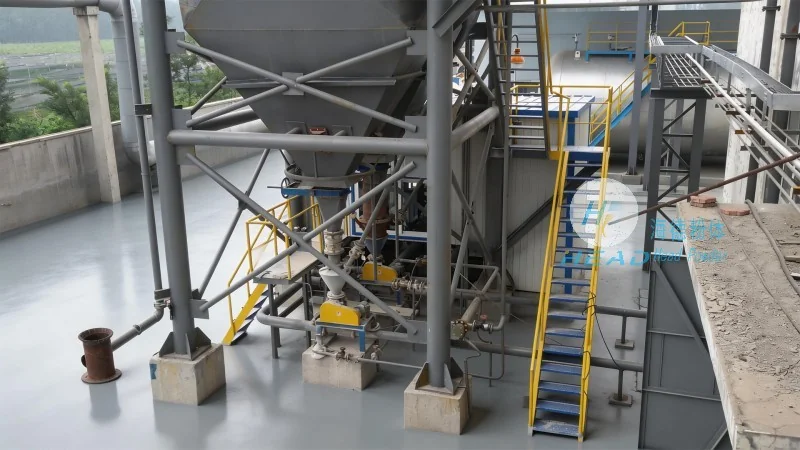
The dust collection gas-pneumatic conveying system comprises several essential components that work in tandem to achieve optimal performance. At its heart is the dust collector, which captures airborne particles and separates them from the air stream. Common types include bag filters, cartridge filters, and cyclone separators, each offering distinct advantages in terms of filtration efficiency and maintenance requirements. The collected dust is then transferred to a storage or processing unit via a pneumatic conveying line.
Pneumatic conveying relies on the movement of air or other gases to transport bulk materials. In a typical system, a blower or compressor generates the necessary pressure or vacuum to move the material through the pipeline. The system may operate under positive pressure (where air pushes the material) or negative pressure (where air pulls the material), depending on the application and material characteristics. Key components include the air compressor, pipeline network, material feeders, and control valves that regulate the flow and pressure.
Advantages of Gas-Pneumatic Conveying for Dust Collection
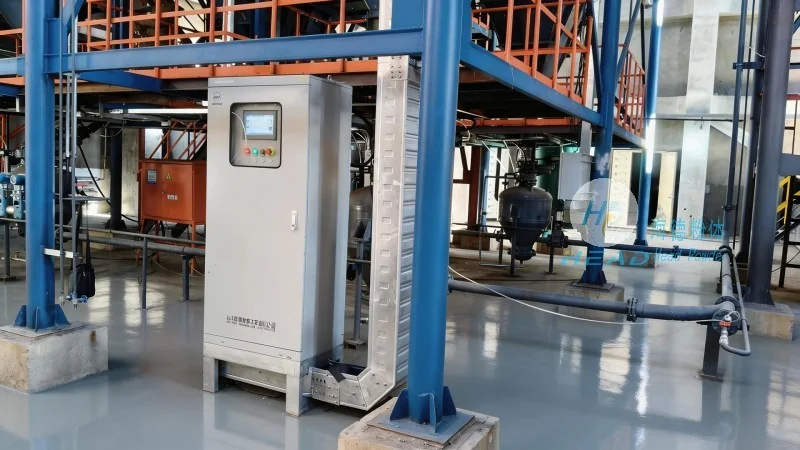
Compared to traditional mechanical conveying methods, gas-pneumatic systems offer several advantages that make them ideal for dust collection applications. One of the primary benefits is the ability to handle fine and abrasive materials without causing wear or damage to the system components. The enclosed pipeline design also minimizes dust dispersion into the environment, enhancing workplace safety and compliance with environmental regulations. Additionally, these systems can be easily integrated with existing dust collection equipment, allowing for seamless material handling from capture to storage.
Applications in Industrial Settings
The versatility of dust collection gas-pneumatic conveying systems makes them suitable for a wide range of industrial applications. In the pharmaceutical industry, for example, they are used to transport powders and granules while maintaining stringent cleanliness standards. In the food processing sector, these systems help manage flour, sugar, and other dry ingredients, ensuring hygienic handling and preventing contamination. The chemical industry also benefits from their ability to handle corrosive or hazardous powders, as the enclosed system prevents exposure and ensures safe material transport.
Customization and Scalability
Shandong HeadPowder Engineering Co., Ltd. specializes in designing and manufacturing customized dust collection gas-pneumatic conveying systems tailored to specific client needs. The company's expertise lies in understanding the unique challenges of each application, such as material density, particle size, and required conveying distance. By leveraging advanced engineering and material science, HeadPowder can develop systems that optimize performance while minimizing energy consumption and maintenance costs. Whether for a small-scale operation or a large industrial plant, their solutions are scalable and adaptable to evolving production demands.
Maintenance and Longevity
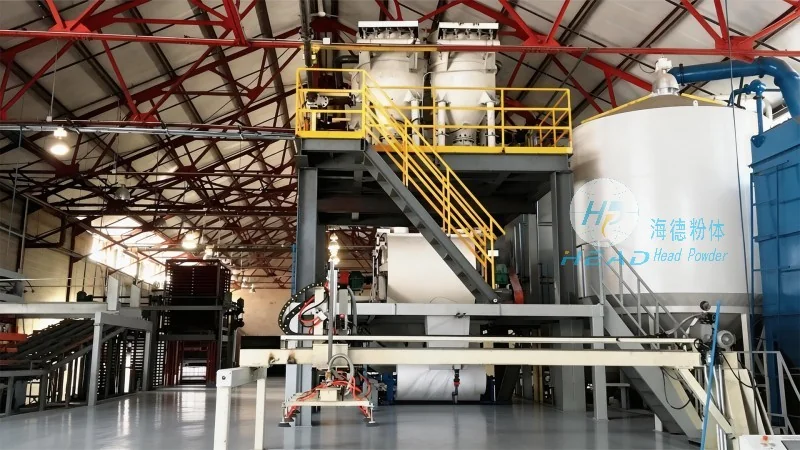
Proper maintenance is crucial to ensure the longevity and efficiency of dust collection gas-pneumatic conveying systems. Regular inspections of the dust collector and pneumatic components help identify potential issues before they escalate into major problems. Filters need to be replaced or cleaned as per the manufacturer's recommendations to maintain optimal filtration efficiency. The blower and compressor units should also be checked for wear and tear, with lubrication and component replacements performed as needed. By adhering to a structured maintenance schedule, users can extend the system's operational life and reduce downtime.
Environmental and Safety Considerations
In today's industrial landscape, environmental compliance and workplace safety are paramount. Dust collection gas-pneumatic conveying systems contribute significantly to both by minimizing dust emissions and providing a controlled environment for material handling. The enclosed pipeline design prevents dust from escaping into the air, reducing the risk of respiratory issues among workers. Additionally, these systems often incorporate features like explosion-proof components and fire suppression systems, enhancing safety in hazardous environments. By choosing a well-designed system from a reputable provider like HeadPowder, industries can meet regulatory requirements while maintaining a safe and healthy workplace.