

[EPLORING AIR-POWERED DUST CONVEYING SYSTEMS FOR DUST REMOVAL]
Dust removal and efficient material handling are critical challenges in industrial operations, particularly in environments where fine particulate matter is generated. The air-powered dust conveying system, also known as a dust gas power conveying system, has emerged as a sophisticated solution to address these issues. This system leverages compressed air or other gas streams to transport dust and other fine particles from one location to another, offering a clean, efficient, and often safer alternative to traditional methods like manual handling or mechanical conveyors.
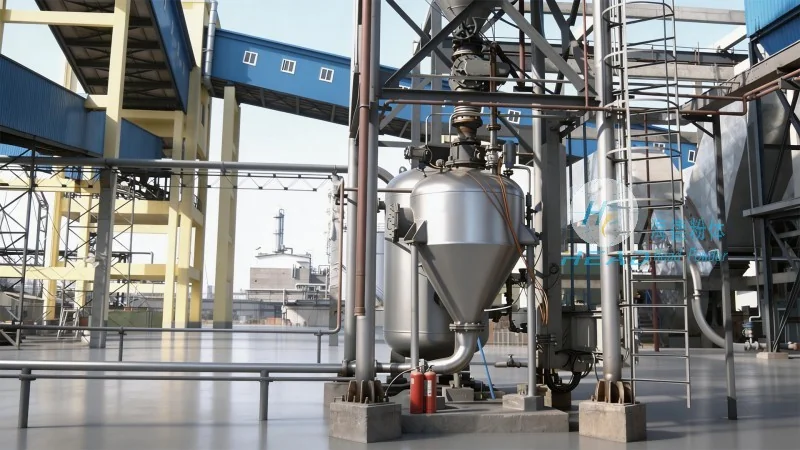
Understanding the Core Components of a Dust Gas Power Conveying System
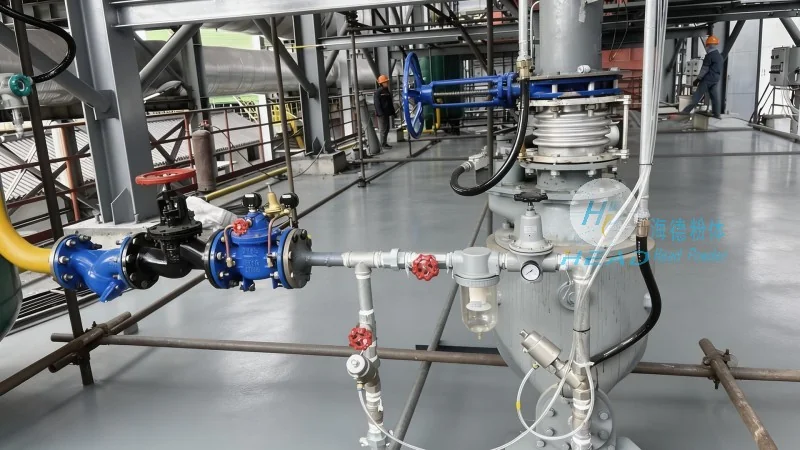
The effectiveness of a dust gas power conveying system depends on several key components that work in harmony to ensure reliable operation. At the heart of the system is the dust collector, which captures the airborne dust particles and separates them from the air stream. This component is typically equipped with filtration media, such as bags or cartridges, that trap the fine dust while allowing clean air to be discharged. The collected dust is then stored in a hopper or container for later disposal or reuse. Compressed air is supplied to the system via a blower or compressor, which generates the necessary pressure to move the dust particles through the conveying line. The conveying line itself is usually made of flexible or rigid tubing, depending on the application, and is designed to withstand the pressure and temperature conditions of the process. Additionally, control valves and regulators are used to manage the air flow and pressure, ensuring optimal performance and preventing system overloads.
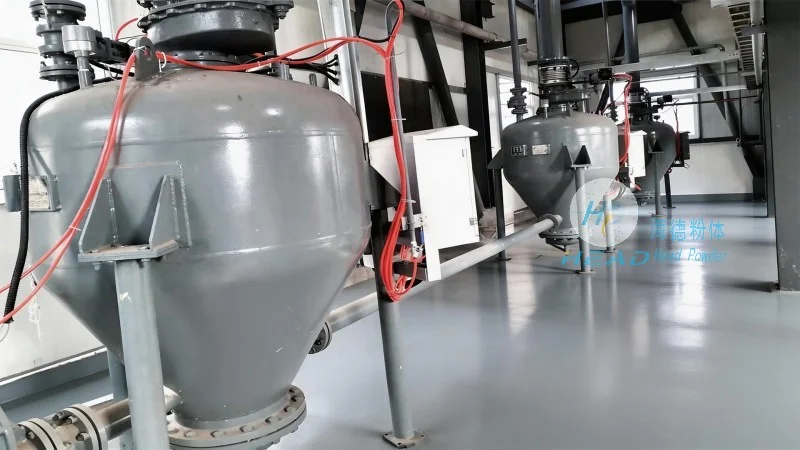
Advantages of Using an Air-Powered Dust Conveying System
Compared to traditional dust handling methods, the air-powered dust conveying system offers several distinct advantages. One of the most significant benefits is the ability to handle fine and abrasive dust particles without causing wear and tear on the equipment. The system's enclosed design minimizes dust emissions into the workplace, improving air quality and reducing the risk of respiratory illnesses among workers. Additionally, the system is highly flexible, allowing for easy reconfiguration of the conveying line to accommodate changes in production processes or facility layouts. The air-powered nature of the system also eliminates the need for mechanical moving parts in the conveying line, reducing maintenance requirements and extending the lifespan of the equipment. Furthermore, the system can be integrated with other industrial processes, such as material recovery or recycling, enabling a more comprehensive approach to dust management.
Applications in Industrial Settings
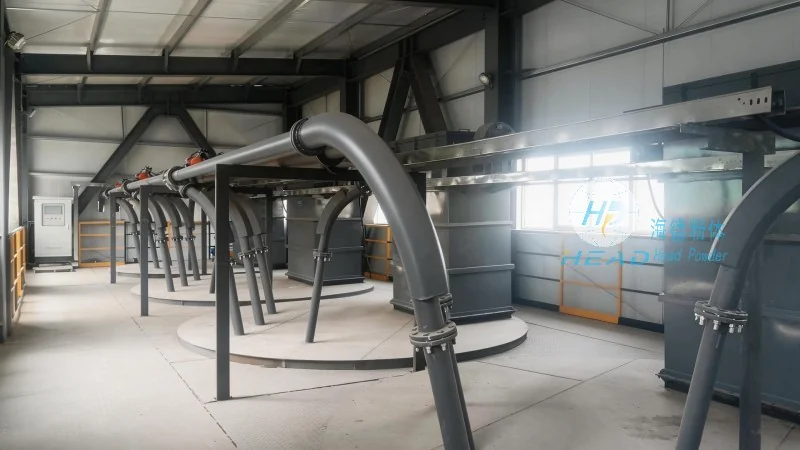
The air-powered dust conveying system is widely used in various industrial sectors, including manufacturing, mining, and construction. In manufacturing facilities, it is commonly employed to transport dust from grinding, cutting, or polishing operations to dust collectors or storage areas. In mining operations, the system is used to convey dust from ore processing or ventilation systems, helping to maintain a safe and healthy working environment. In construction sites, the system can be used to remove dust from sanding or drilling activities, reducing the risk of dust-related accidents and improving overall site safety. The versatility of the system makes it suitable for a wide range of dust types and particle sizes, from fine powders to larger granules.
Key Considerations for Implementing a Dust Gas Power Conveying System
When implementing a dust gas power conveying system, several factors must be considered to ensure optimal performance and efficiency. The first consideration is the type and size of the dust particles to be conveyed, as this will determine the appropriate design of the dust collector and conveying line. The system's capacity and flow rate must be matched to the production requirements to avoid under or overloading the equipment. Additionally, the air pressure and flow rate must be carefully controlled to prevent dust clogging or system failure. The material of construction for the conveying line and components must be selected based on the chemical and physical properties of the dust, such as abrasiveness or corrosiveness. Regular maintenance and inspection of the system are also crucial to ensure long-term reliability and performance. Proper training of personnel on the operation and maintenance of the system is essential to maximize its benefits and minimize downtime.
About Shandong HeadPowder Engineering Co., Ltd.
Shandong HeadPowder Engineering Co., Ltd., commonly known as HeadPowder, is a leading provider of dust removal and material handling solutions. With a focus on innovation and customer satisfaction, HeadPowder specializes in designing and manufacturing air-powered dust conveying systems tailored to the specific needs of industrial clients. The company's headquarters is located in Shandong, China, and it serves a wide range of industries with its advanced and reliable equipment. HeadPowder's commitment to quality and service has made it a trusted partner for businesses seeking to improve their dust management and operational efficiency. By leveraging years of experience and expertise in the field, HeadPowder continues to develop cutting-edge solutions that meet the evolving demands of the industrial sector.