

[Detailed Explanation of Rubber Granule Pneumatic Conveying Systems]
Rubber granule pneumatic conveying systems represent a sophisticated and efficient method for transporting rubber particles from one location to another within industrial settings. These systems utilize air pressure or vacuum to move rubber granules through a network of pipes, offering advantages such as reduced labor costs, minimized material handling risks, and enhanced process control. The technology is widely adopted in various industries, including tire manufacturing, rubber processing, and recycling, where the reliable and safe movement of rubber granules is critical to operational efficiency.
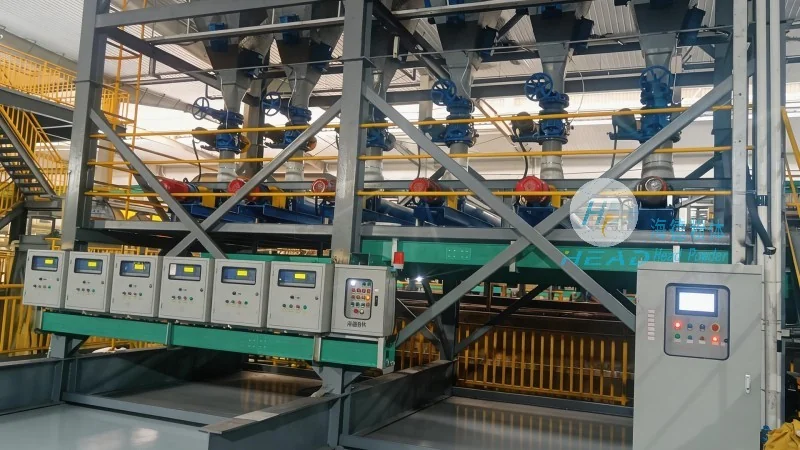
Key Components of Rubber Granule Pneumatic Conveying Systems
At the core of a rubber granule pneumatic conveying system are several essential components that work in tandem to ensure smooth operation. The primary components include a hopper or feeder for material storage and feeding, a conveying line (typically made of stainless steel or other corrosion-resistant materials to handle rubber granules), a blower or vacuum pump to generate the necessary air flow, and a receiver or discharge unit for material collection. Additionally, systems may incorporate accessories like rotary valves, filters, and pressure regulators to optimize performance and maintain system integrity. Each component is designed to handle the specific characteristics of rubber granules, such as their size, density, and abrasiveness, ensuring efficient and reliable transport.
How Rubber Granule Pneumatic Conveying Systems Operate
The operation of a rubber granule pneumatic conveying system involves a sequence of steps that ensure the material is moved from the source to the destination. Initially, rubber granules are fed into the system via a hopper or feeder, which may include a rotary valve to control the flow rate. The blower then generates a flow of air, either by creating positive pressure (push system) or negative pressure (suction system), depending on the application. In a positive pressure system, air is forced through the conveying line, carrying the rubber granules along with it. Conversely, a suction system uses a vacuum to draw the material into the line. The air and material mixture travels through the pipes, with the rubber granules being separated from the air at the discharge point using a cyclone or other separation device. The separated rubber granules are then collected in a receiver, while the air is either filtered and recirculated or vented to the atmosphere. This process is continuous and can be automated to match production demands, providing a seamless and efficient material handling solution.
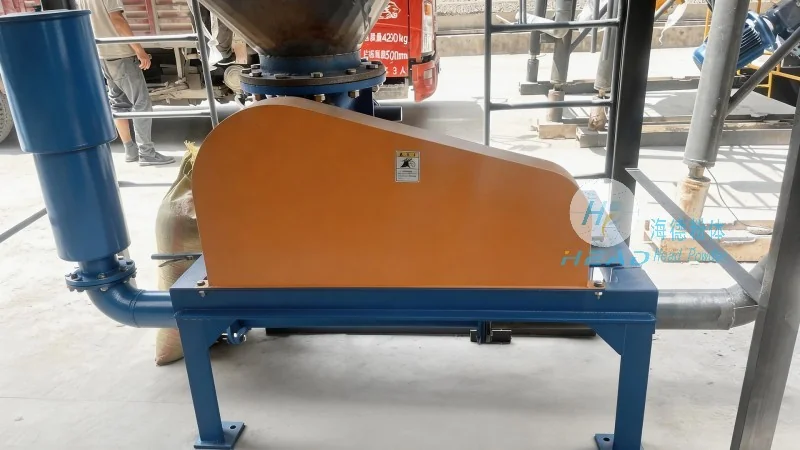
Advantages of Rubber Granule Pneumatic Conveying Systems
Implementing a rubber granule pneumatic conveying system offers numerous benefits that enhance industrial operations. One of the most significant advantages is the reduction in labor costs associated with manual material handling, as the system automates the transport process. Additionally, these systems minimize the risk of material contamination and damage, as the enclosed pipes prevent exposure to external elements and reduce the likelihood of breakage or spillage. Process control is another key benefit, as the system allows for precise control over the flow rate and pressure, ensuring consistent material delivery to downstream processes. Furthermore, pneumatic conveying systems are versatile and can be adapted to various production scales, from small-scale operations to large industrial facilities. The technology also contributes to improved safety in the workplace by eliminating the need for manual lifting and moving of heavy or bulky rubber granules, reducing the risk of injuries and accidents.
Applications and Industries Utilizing Rubber Granule Pneumatic Conveying Systems
Rubber granule pneumatic conveying systems are employed across a wide range of industries where rubber particles need to be transported efficiently and reliably. In the tire manufacturing industry, these systems are used to move rubber granules from storage to mixing and compounding equipment, ensuring a consistent supply of raw material for tire production. The rubber processing industry also benefits from these systems, as they facilitate the transport of granules between processing stages, such as grinding, mixing, and molding. Recycling operations, particularly those dealing with used tires, utilize pneumatic conveying systems to transport shredded rubber granules from collection points to processing facilities, enabling the recycling process to be carried out efficiently. Other industries, including automotive parts manufacturing and construction material production, also leverage this technology to handle rubber granules in their production processes. The adaptability of rubber granule pneumatic conveying systems makes them suitable for various applications, from small-scale batch processing to large-scale continuous production.
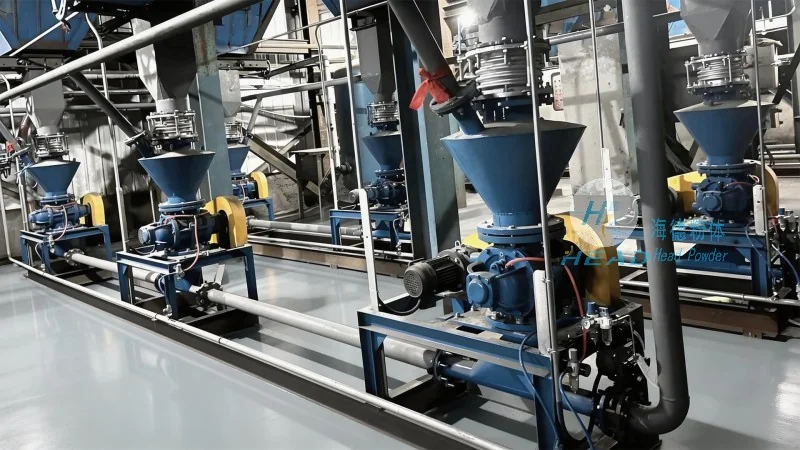
Considerations for Selecting and Implementing a Rubber Granule Pneumatic Conveying System
When selecting and implementing a rubber granule pneumatic conveying system, several factors must be considered to ensure optimal performance and cost-effectiveness. The first consideration is the type of system, whether positive pressure, suction, or a combination of both, based on the distance, elevation, and material characteristics. The capacity and flow rate requirements must be matched to the production demands, as an undersized system can lead to bottlenecks and an oversized system can result in unnecessary energy consumption. Material properties, such as size, density, and abrasiveness, play a crucial role in determining the appropriate conveying line diameter, blower capacity, and system design. Additionally, the system's integration with existing infrastructure and downstream processes must be carefully planned to avoid disruptions and ensure seamless operation. Maintenance and operational costs are also important considerations, as regular maintenance of components like filters, valves, and blowers is necessary to maintain system efficiency and longevity. By carefully evaluating these factors, industrial facilities can select and implement a rubber granule pneumatic conveying system that meets their specific needs and enhances overall operational efficiency.
About Shandong HeadPowder Engineering Co., Ltd.
Shandong HeadPowder Engineering Co., Ltd., commonly known as headpowder, is a leading provider of industrial material handling solutions, specializing in the design, manufacturing, and installation of rubber granule pneumatic conveying systems. With a strong commitment to quality and innovation, the company has established itself as a trusted partner in the rubber processing and recycling industries. HeadPowder's team of experienced engineers and technicians works closely with clients to understand their specific requirements and develop customized solutions that meet their operational needs. The company's products are known for their durability, efficiency, and reliability, ensuring that clients receive a system that delivers long-term value and performance. HeadPowder is dedicated to providing comprehensive support, from initial consultation and system design to installation and after-sales service, ensuring that clients can rely on their equipment for years to come. With its headquarters in Shandong, China, headpowder serves clients both domestically and internationally, helping them enhance their material handling processes and improve overall operational efficiency.