

[Detailed Explanation of Ammonium Bicarbonate Pneumatic Conveying Systems]
Ammonium bicarbonate, a vital chemical in agricultural applications, requires efficient and reliable handling solutions for its transportation. The pneumatic conveying system has become a sophisticated method to address these needs, ensuring safe, low-loss, and high-efficiency transfer of the material. This article provides a comprehensive overview of the ammonium bicarbonate pneumatic conveying system, highlighting its components, operational principles, and key advantages.
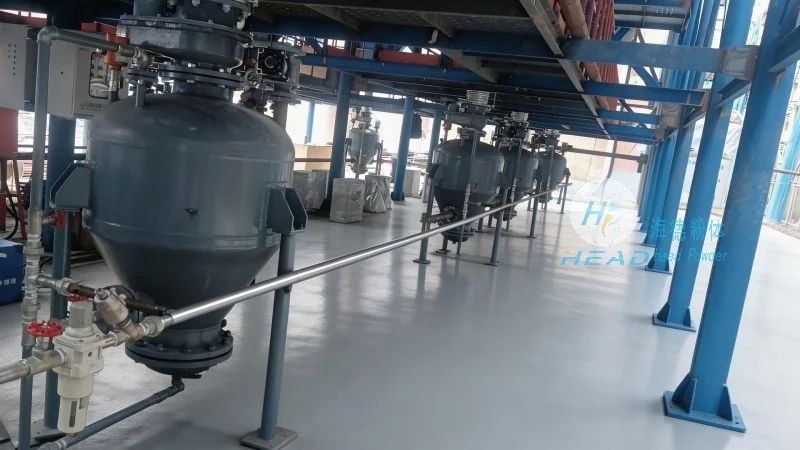
Introduction to Ammonium Bicarbonate Pneumatic Conveying Systems
Ammonium bicarbonate (NH₄HCO₃) is widely used as a nitrogen source in fertilizers. Its handling presents unique challenges due to its hygroscopic nature and tendency to caking. Traditional methods like belt conveyors or bucket elevators often suffer from material degradation, high maintenance costs, and environmental concerns. The pneumatic conveying system offers a modern solution by utilizing air pressure to transport the material in a closed system, minimizing exposure to external factors and enhancing process safety.
Key Components of the Pneumatic Conveying System
The ammonium bicarbonate pneumatic conveying system consists of several essential components that work in tandem to ensure smooth operation. The primary components include the material feed hopper, air supply system (blowers or compressors), conveying pipes, control valves, and discharge equipment. The feed hopper is designed to store and meter the ammonium bicarbonate, ensuring a consistent flow rate. The air supply system generates the necessary pressure to move the material through the pipes. Conveying pipes are typically made of corrosion-resistant materials like stainless steel or polyethylene to withstand the chemical properties of ammonium bicarbonate. Control valves regulate the air flow and material movement, while discharge equipment delivers the material to the final destination, such as storage silos or processing units.
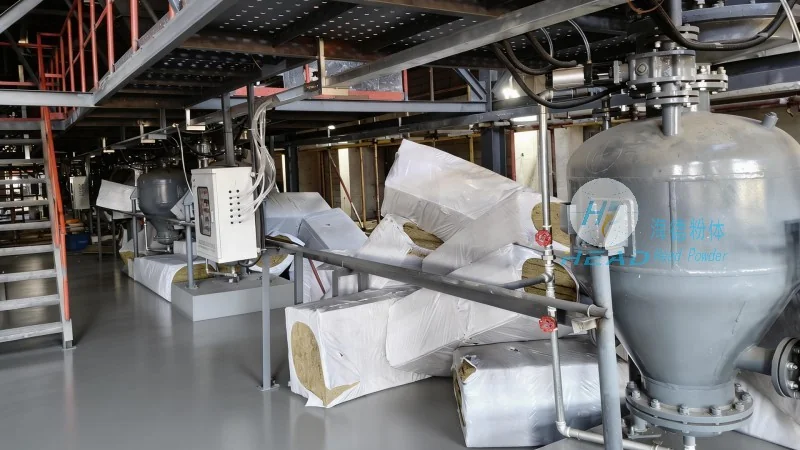
Operational Principles and Working Mechanism
The pneumatic conveying system operates on the principle of air flow and material suspension. In a positive displacement system, a blower creates a high-pressure air stream that pushes the ammonium bicarbonate particles through the pipes. The material is suspended in the air stream, forming a slurry-like mixture that travels through the system. In contrast, a negative pressure (or vacuum) system uses a vacuum pump to draw the material into the pipes. The choice between positive and negative pressure depends on factors like the distance, material properties, and system design. The system is equipped with pressure sensors and flow meters to monitor and control the process, ensuring optimal performance and preventing blockages or overloading.
Advantages of the Ammonium Bicarbonate Pneumatic Conveying System
Implementing a pneumatic conveying system for ammonium bicarbonate offers numerous benefits that enhance operational efficiency and product quality. One of the most significant advantages is the reduction in material loss and degradation. The closed system minimizes exposure to moisture and air, preventing caking and maintaining the material's physical properties. This leads to higher product purity and reduced waste, which is crucial for meeting industry standards and customer expectations. Additionally, the system is highly flexible, allowing for easy integration with existing production lines and modifications to accommodate varying production volumes. The low maintenance requirements and energy efficiency further contribute to cost savings, making it a cost-effective solution for long-term operation.
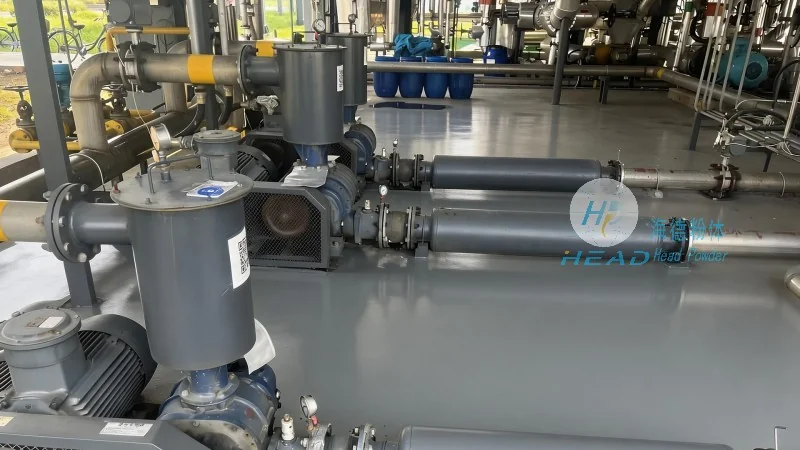
Application Scenarios and Industrial Use
The ammonium bicarbonate pneumatic conveying system is widely applied in various industrial settings, particularly in the fertilizer manufacturing and processing sectors. It is commonly used to transport ammonium bicarbonate from storage silos to production lines, where it is blended with other raw materials or processed further. The system is also utilized in packaging facilities, where the material is transferred from bulk storage to packaging machines. Its ability to handle large volumes with minimal labor and space requirements makes it ideal for high-throughput operations. Furthermore, the system's adaptability allows it to be used in different plant configurations, whether for new installations or upgrades to existing facilities.
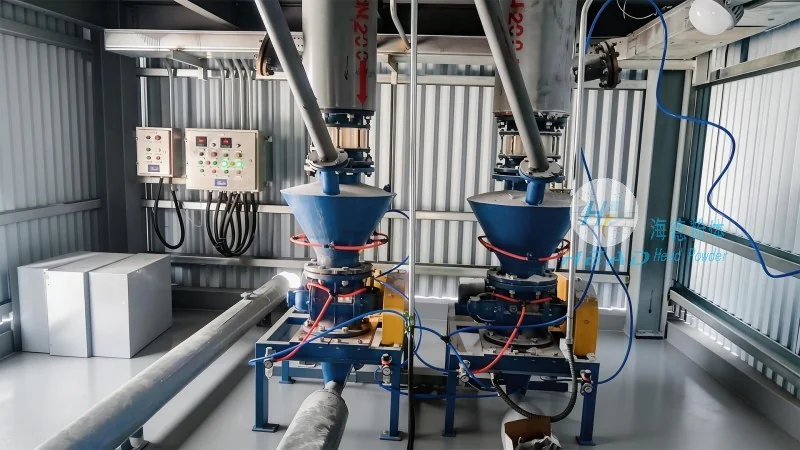
Company Profile: Shandong HeadPowder Engineering Co., Ltd.
Shandong HeadPowder Engineering Co., Ltd., a leading provider in the field, specializes in designing and manufacturing advanced pneumatic conveying systems tailored to the specific needs of the chemical and fertilizer industries. With a focus on innovation and quality, the company has established itself as a trusted partner for clients seeking reliable and efficient material handling solutions. HeadPowder's expertise lies in customizing systems to meet the unique challenges of handling ammonium bicarbonate and other similar materials, ensuring optimal performance and longevity. The company's commitment to customer satisfaction and technical excellence has earned it a reputation for delivering high-quality products and services that meet international standards.
Conclusion and Future Outlook
The ammonium bicarbonate pneumatic conveying system represents a significant advancement in material handling technology, offering a safe, efficient, and cost-effective solution for the fertilizer industry. As demand for ammonium bicarbonate continues to grow, the importance of reliable and advanced conveying systems becomes increasingly critical. Companies like Shandong HeadPowder Engineering Co., Ltd. play a vital role in providing these solutions, leveraging their expertise to meet the evolving needs of the market. By investing in such systems, manufacturers can enhance their operational efficiency, reduce costs, and improve product quality, ultimately contributing to the sustainability and growth of the industry.