

Detailed Explanation of Sodium Hydroxide Pneumatic Conveying Systems
HeadPowder, a leading engineering firm based in Shandong, China, specializes in the design and implementation of advanced pneumatic conveying systems for sodium hydroxide. This article provides a comprehensive overview of such systems, highlighting their operational principles, key components, and practical applications in industrial settings.
Company Profile
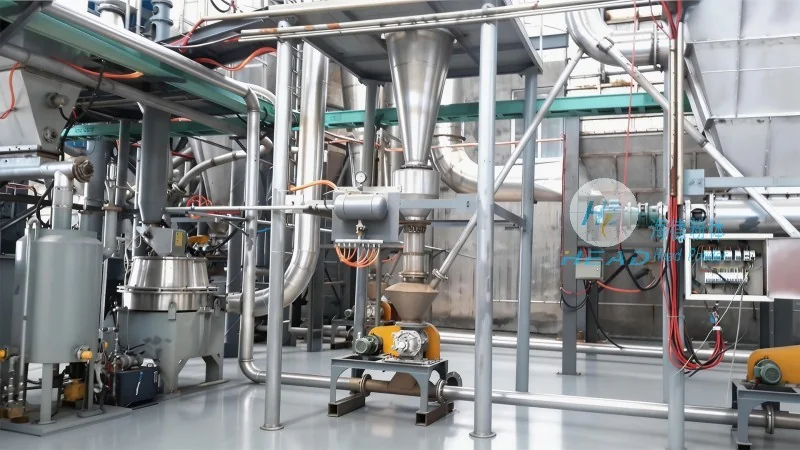
HeadPowder Engineering Co., Ltd. is a reputable company dedicated to providing high-quality engineering solutions. With a strong presence in Shandong, China, the company has established itself as a trusted partner in the chemical processing and material handling industries. The company’s expertise lies in developing customized pneumatic conveying systems tailored to meet the specific needs of clients, ensuring efficient and safe material transport.
Overview of Pneumatic Conveying Systems for Sodium Hydroxide
Pneumatic conveying systems are widely used for transporting bulk materials like sodium hydroxide, which is a caustic chemical commonly employed in various industrial processes. These systems utilize air or other gases to move the material through a pipeline, eliminating the need for mechanical components such as conveyors or elevators. The primary advantage of pneumatic conveying is its ability to handle materials that are difficult to transport by traditional methods, such as those with high moisture content or abrasive properties.
Key Components of the System
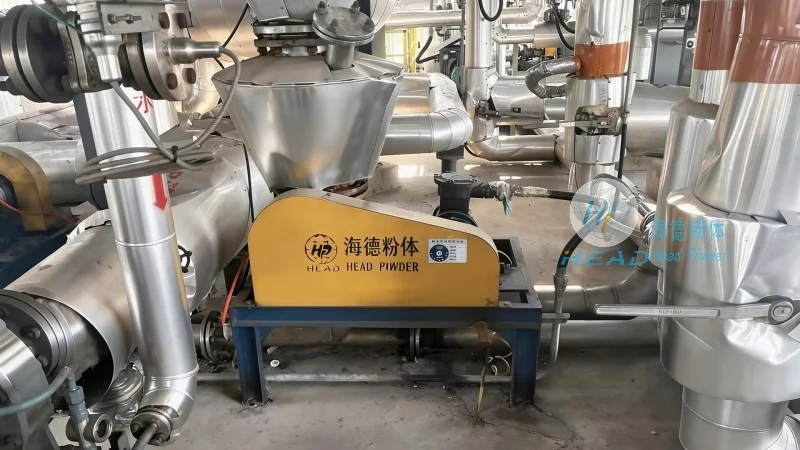
The sodium hydroxide pneumatic conveying system typically consists of several critical components that work in tandem to ensure efficient operation. These include a material feed hopper, a rotary airlock valve, a positive displacement blower or air compressor, a conveying pipeline, and a receiving hopper or storage tank. The feed hopper is designed to store and meter the sodium hydroxide, while the rotary airlock valve prevents backflow and regulates the flow of material into the pipeline. The blower or compressor generates the necessary air pressure to move the material through the system. The conveying pipeline is usually made of corrosion-resistant materials like stainless steel to withstand the caustic nature of sodium hydroxide. Finally, the receiving hopper collects the material at the destination point, completing the transport process.
Advantages of Using Pneumatic Conveying for Sodium Hydroxide
There are several benefits associated with employing pneumatic conveying systems for sodium hydroxide transport. Firstly, these systems offer a high degree of safety as they minimize direct human contact with the material, reducing the risk of chemical exposure. Secondly, they provide excellent control over the flow rate and pressure, allowing for precise and consistent material delivery. Thirdly, pneumatic conveying systems are highly flexible and can be easily integrated into existing industrial setups, adapting to changes in production requirements. Additionally, these systems are capable of handling materials with varying particle sizes and moisture levels, making them suitable for diverse applications.
Applications in Industrial Settings
Sodium hydroxide pneumatic conveying systems find extensive use in various industrial sectors. In the chemical industry, they are employed in the production of soaps, detergents, and other alkaline products. In the paper and pulp industry, they are used for processing and transporting caustic chemicals. The food industry also utilizes these systems for handling sodium hydroxide in food processing and packaging operations. Furthermore, in the pharmaceutical and cosmetics sectors, pneumatic conveying ensures the safe and hygienic transport of sodium hydroxide, adhering to stringent quality and safety standards.
Maintenance and Safety Considerations
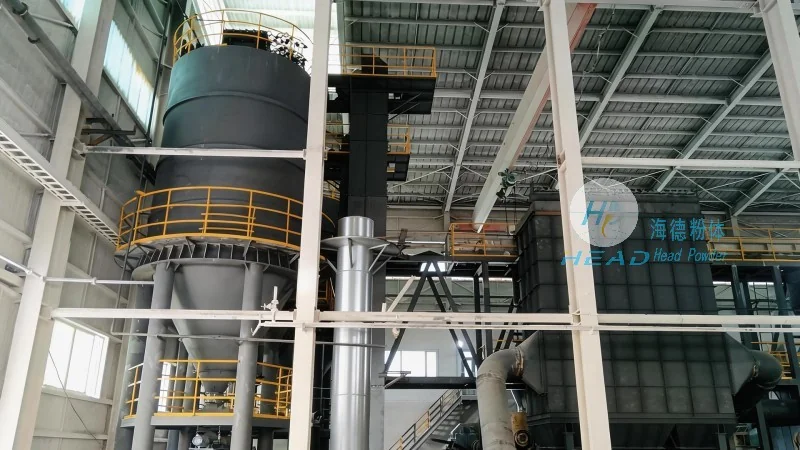
Proper maintenance and adherence to safety protocols are essential for the reliable operation of sodium hydroxide pneumatic conveying systems. Regular inspection of components such as the blower, airlock valves, and pipelines is crucial to prevent wear and tear, which can lead to system inefficiencies or failures. Corrosion-resistant materials should be used for all parts that come into contact with sodium hydroxide to ensure longevity and prevent leaks. Additionally, safety measures like proper ventilation, personal protective equipment (PPE), and emergency shutdown procedures must be in place to protect personnel from potential hazards. HeadPowder provides comprehensive maintenance services and safety training to ensure that clients can operate their systems efficiently and safely.
Conclusion
HeadPowder Engineering Co., Ltd. offers advanced and reliable sodium hydroxide pneumatic conveying systems that meet the demanding requirements of modern industrial applications. By leveraging cutting-edge technology and adhering to industry best practices, the company ensures that its systems deliver optimal performance, safety, and efficiency. With a strong presence in Shandong, China, HeadPowder continues to be a leading provider of engineering solutions for material handling, helping clients enhance their operational productivity and reduce costs.