

Glucose Powder Pneumatic Conveying System Explained
Glucose powder, a critical raw material in the food and pharmaceutical industries, requires efficient and reliable handling to maintain product quality and operational efficiency. The pneumatic conveying system offers a solution by utilizing air to transport bulk powders like glucose. This article provides a detailed overview of the components, working principles, and benefits of a glucose powder pneumatic conveying system.
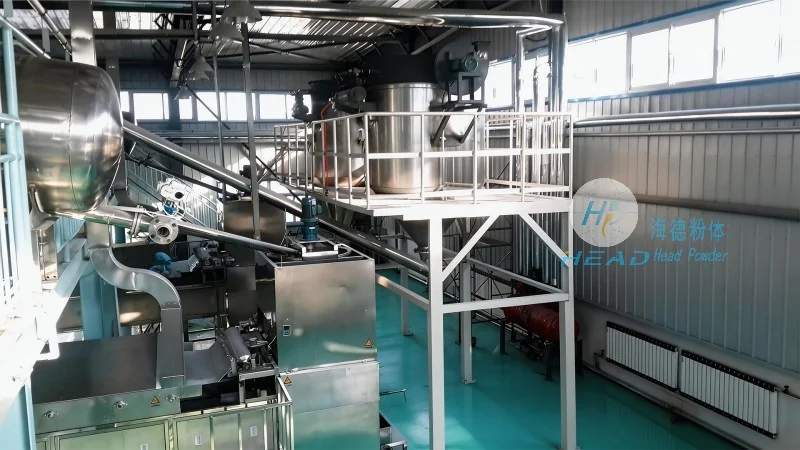
Key Components of the Glucose Powder Pneumatic Conveying System
The system comprises several essential components that work in tandem to ensure smooth operation. The primary components include a hopper for material storage, a rotary valve or feeder to control the flow rate, a conveying line (typically made of stainless steel to prevent contamination), a pressure vessel or receiver, and a dust collector. Each component plays a crucial role in the overall performance of the system. The hopper is designed to hold the glucose powder and provide a consistent feed to the feeder. The rotary valve or feeder regulates the amount of powder entering the conveying line, preventing overloading and ensuring a steady flow. The conveying line transports the powder through the system using compressed air, which is introduced at specific points to maintain the flow. The pressure vessel or receiver collects the conveyed powder and allows for further processing or storage. The dust collector is integrated to capture any airborne particles, ensuring a clean and safe working environment.
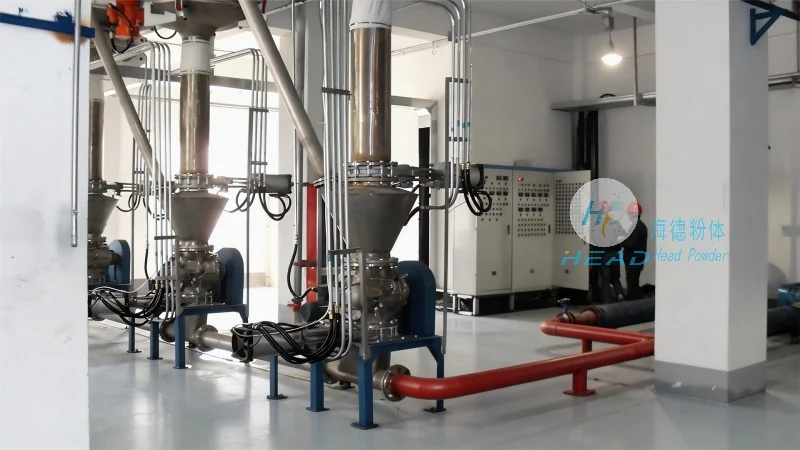
Working Principle of the Pneumatic Conveying System
The operation of the glucose powder pneumatic conveying system is based on the principle of air flow. When the system is activated, compressed air is introduced into the conveying line at a controlled pressure. The air creates a low-pressure zone that draws the glucose powder from the hopper into the line. The powder is then carried through the system by the moving air stream. The velocity of the air is critical; it must be sufficient to lift and transport the powder without causing excessive wear or degradation. The system may use either positive or negative pressure, depending on the application. Positive pressure systems blow air into the line, while negative pressure systems create a vacuum to draw the powder. For glucose powder, a positive pressure system is often preferred as it provides better control and prevents contamination from external sources.
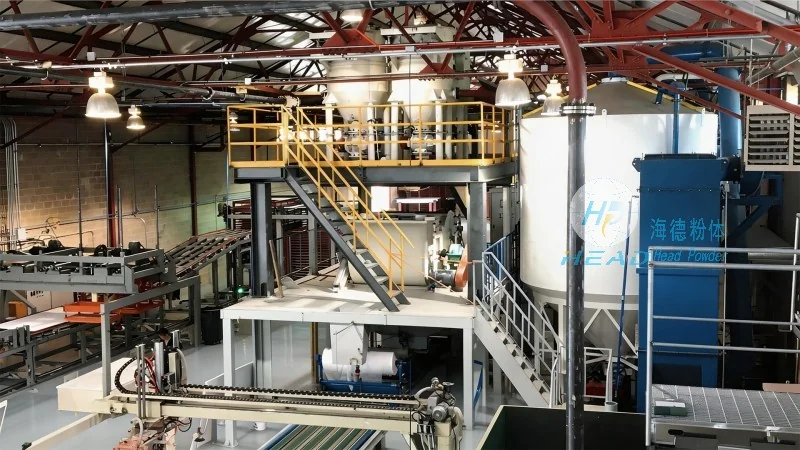
Benefits of Using a Glucose Powder Pneumatic Conveying System
Implementing a pneumatic conveying system for glucose powder offers numerous advantages over traditional methods such as bucket elevators or belt conveyors. First, it provides a closed system, which is essential for maintaining the purity and quality of the glucose powder, especially in pharmaceutical applications. The closed environment prevents contamination from dust, moisture, or other particles, ensuring that the final product meets stringent quality standards. Second, the system is highly efficient in terms of energy consumption and operational costs. By using compressed air to transport the powder, the system reduces the need for mechanical components like belts or chains, which require regular maintenance and replacement. This leads to lower long-term operational expenses. Third, the system offers flexibility in terms of layout and integration with other processing equipment. It can be easily adapted to different plant configurations and can be integrated with other systems such as mixers, dryers, or packaging machines. Fourth, the system provides a safer working environment by eliminating the need for manual handling of bulk powders, reducing the risk of dust explosions or respiratory issues for operators. Additionally, the system can handle varying flow rates and powder characteristics, making it suitable for different production scales and applications.
Application Considerations for Glucose Powder Pneumatic Conveying
When selecting or designing a glucose powder pneumatic conveying system, several factors must be considered to ensure optimal performance. The first consideration is the particle size and flow characteristics of the glucose powder. Different particle sizes may require adjustments to the air velocity and system design to prevent clogging or uneven flow. For example, finer powders may need higher air velocities to maintain a consistent flow, while coarser powders may require larger conveying lines or different feeder designs. The second consideration is the system's capacity and throughput requirements. The system must be designed to handle the desired production volume, ensuring that it can meet the operational demands without bottlenecks. The third consideration is the environmental and safety regulations. The system must comply with local regulations regarding dust control, noise levels, and material handling. The fourth consideration is the integration with existing plant infrastructure. The system should be compatible with the existing layout and equipment, minimizing the need for major modifications or new construction. Finally, the cost-effectiveness of the system must be evaluated, considering both the initial investment and long-term operational costs. By carefully considering these factors, manufacturers can select a pneumatic conveying system that meets their specific needs and provides reliable, efficient operation.
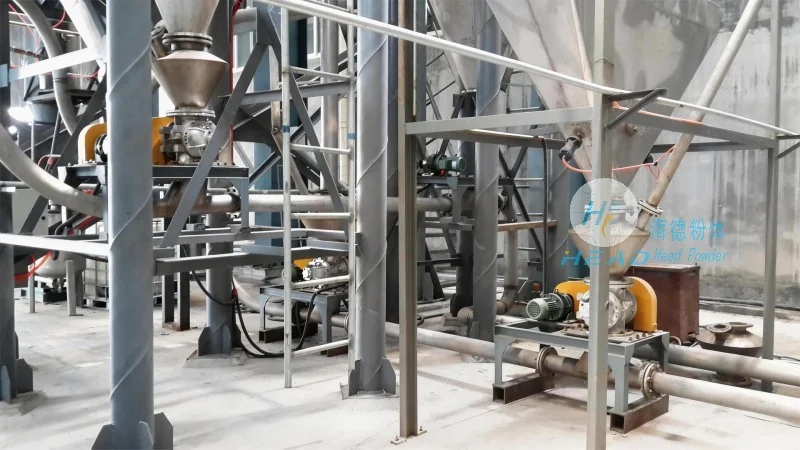
Conclusion
Glucose powder pneumatic conveying systems are a vital component in the processing and handling of glucose powder, offering a reliable and efficient solution for industries such as food and pharmaceuticals. By leveraging the principles of air flow and closed system design, these systems ensure the quality and purity of the product while reducing operational costs and improving safety. As technology advances, the design and functionality of these systems continue to evolve, providing even better performance and adaptability. For companies in the glucose processing industry, investing in a well-designed pneumatic conveying system is a strategic decision that enhances operational efficiency and product quality.