

Detailed Explanation of Calcium Carbide Dust Gas-Pneumatic Conveying System
The calcium carbide dust gas-pneumatic conveying system is a specialized industrial solution designed to handle the efficient and safe transportation of calcium carbide dust, a byproduct commonly encountered in the production and processing of calcium carbide. This system is engineered to address the challenges associated with dust management and material transport in industrial settings, ensuring compliance with environmental standards and operational efficiency.
Key Components of the System
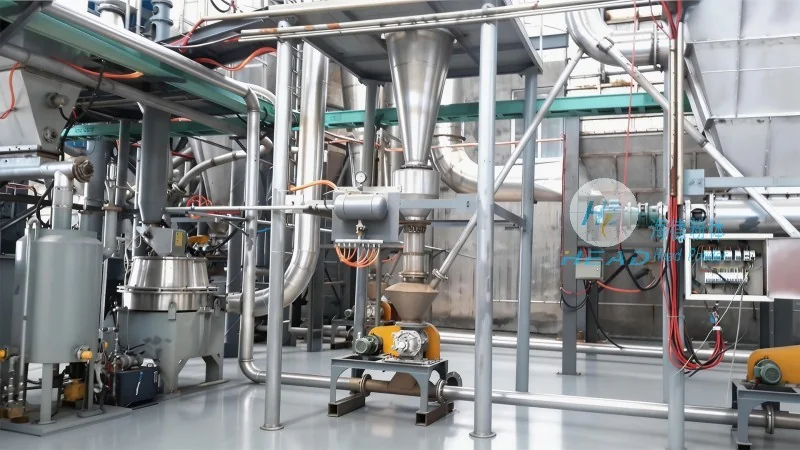
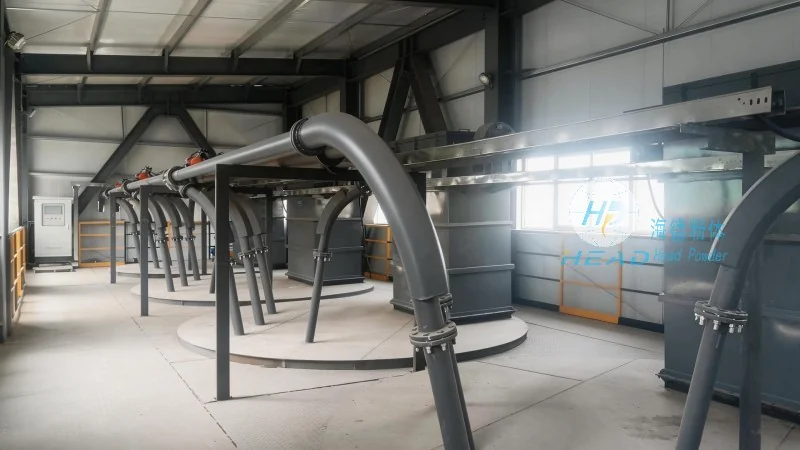
The system comprises several critical components that work in tandem to achieve effective dust conveyance. These include high-performance dust collectors, which capture and separate calcium carbide dust from the air stream; a pneumatic conveying pipeline network that transports the dust to designated storage or processing locations; and control systems that regulate the flow and pressure within the system. The dust collectors are typically equipped with advanced filtration technologies to ensure minimal dust emissions and maintain air quality standards. The conveying pipeline may utilize either positive or negative pressure systems, depending on the specific application requirements and material characteristics.
Working Principle of the Gas-Pneumatic Conveying Process
The operation of the calcium carbide dust gas-pneumatic conveying system is based on the principles of pneumatic transport, where air is used as the medium to move the solid particles. In a typical setup, the dust is first collected from the production line and then fed into the conveying pipeline. The system generates either positive pressure (air is blown into the pipeline) or negative pressure (air is drawn out of the pipeline) to create the necessary airflow. The air flow carries the calcium carbide dust particles through the pipeline, delivering them to the target destination. The control system continuously monitors the pressure, flow rate, and dust concentration to maintain optimal operation and prevent blockages or system failures.
Advantages of the System
Implementing a calcium carbide dust gas-pneumatic conveying system offers several significant advantages for industrial operations. Firstly, it enhances safety by reducing the risk of dust explosions and inhalation hazards, as the dust is contained within a sealed system. Secondly, it improves operational efficiency by automating the material transport process, minimizing manual handling and labor costs. Thirdly, the system contributes to environmental compliance by minimizing dust emissions and ensuring proper disposal or reuse of the captured dust. Additionally, the modular design of the system allows for easy integration with existing production lines and scalability to accommodate varying production volumes.
Application Scenarios
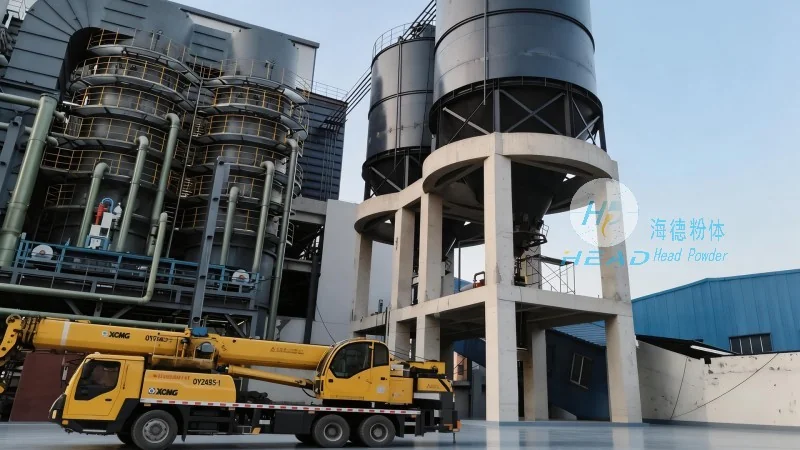
The calcium carbide dust gas-pneumatic conveying system is widely applicable in various industrial sectors, particularly in the chemical and metallurgical industries. It is commonly used in calcium carbide production facilities, where dust is generated during the processing of raw materials and the production of calcium carbide. The system can also be utilized in other applications involving the handling of fine powders, such as in the production of acetylene gas or other chemical derivatives. The adaptability of the system allows it to be customized to meet the specific needs of different industrial processes, ensuring reliable and efficient performance.
Company Profile: Shandong HeadPowder Engineering Co., Ltd.
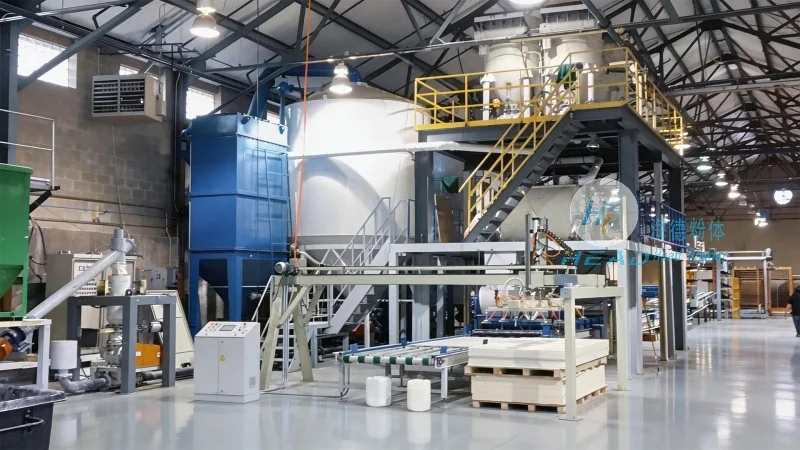
HeadPowder, the professional provider of this advanced dust conveying system, is a leading enterprise in the field of industrial dust management and material handling solutions. With a strong commitment to innovation and quality, HeadPowder has established itself as a trusted partner for businesses seeking efficient and reliable solutions for their dust handling challenges. The company's expertise lies in designing and manufacturing customized gas-pneumatic conveying systems tailored to the unique requirements of each client. HeadPowder's team of engineers and technicians work closely with clients to understand their operational needs and provide tailored solutions that enhance productivity and safety.
Conclusion
The calcium carbide dust gas-pneumatic conveying system represents a sophisticated and effective solution for managing calcium carbide dust in industrial environments. By leveraging advanced technology and engineering expertise, this system ensures safe, efficient, and environmentally compliant material transport. As a leading provider in the industry, Shandong HeadPowder Engineering Co., Ltd. continues to deliver high-quality solutions that meet the evolving needs of modern industrial operations, contributing to improved safety, productivity, and sustainability in the chemical and metallurgical sectors.