

Principle and Classification Application of Glass Fiber Pneumatic Conveying
Glass fiber pneumatic conveying is a key technology in modern material handling, offering efficient and flexible solutions for transporting bulk materials. This method utilizes air as the conveying medium to move particles through a pipeline system, eliminating the need for mechanical components like belts or buckets. The core principle involves creating a pressure differential or using a vacuum to draw or push materials along the pipeline, ensuring smooth and controlled movement. This technology is particularly valuable in industries where traditional methods may be inefficient or unsuitable, such as in the handling of fine powders, granules, or other delicate materials.
Working Principle of Glass Fiber Pneumatic Conveying
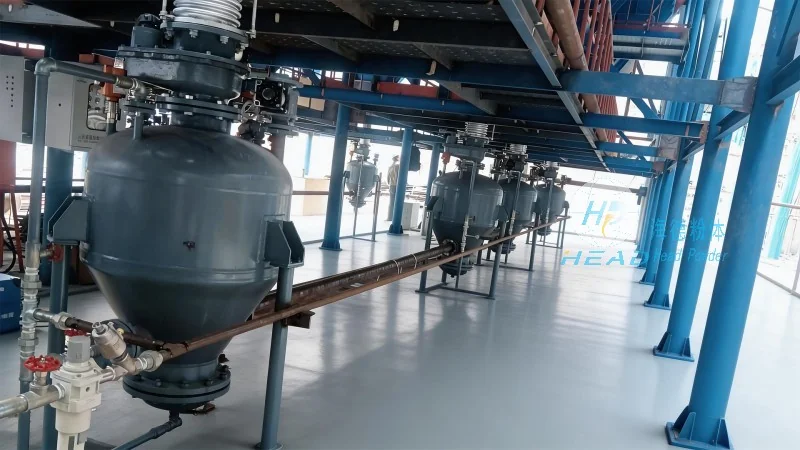
The fundamental mechanism of glass fiber pneumatic conveying relies on the interaction between the material being conveyed and the air flow. In an aspiration system, a vacuum is created at the inlet, drawing material from a hopper or storage area into the pipeline. The air then carries the particles through the system, with the velocity and pressure maintained to prevent particle separation or clogging. Conversely, in a pressure system, compressed air is used to push material from a storage tank or silo through the pipeline. The pressure differential ensures consistent flow rates, making it suitable for longer distances or higher material loads. A hybrid system combines both vacuum and pressure elements, providing flexibility for complex conveying routes. The glass fiber components, including the pipeline and fittings, are designed to withstand the stresses of air and material flow while maintaining durability and resistance to corrosion.
Classification of Glass Fiber Pneumatic Conveying Systems
Glass fiber pneumatic conveying systems are typically classified based on the method of air and material delivery, with three primary types: aspiration, pressure, and mixed systems. Each type has distinct advantages and applications, tailored to specific operational needs.
The aspiration system is ideal for applications requiring low material pressure and minimal energy input. It is commonly used for transporting materials from a hopper to a processing unit, where the vacuum draws the material through the pipeline. This system is particularly effective for fine powders that may be prone to dusting or segregation. The glass fiber pipeline in this system is often equipped with flexible connectors and low-friction surfaces to minimize material loss and ensure consistent flow.
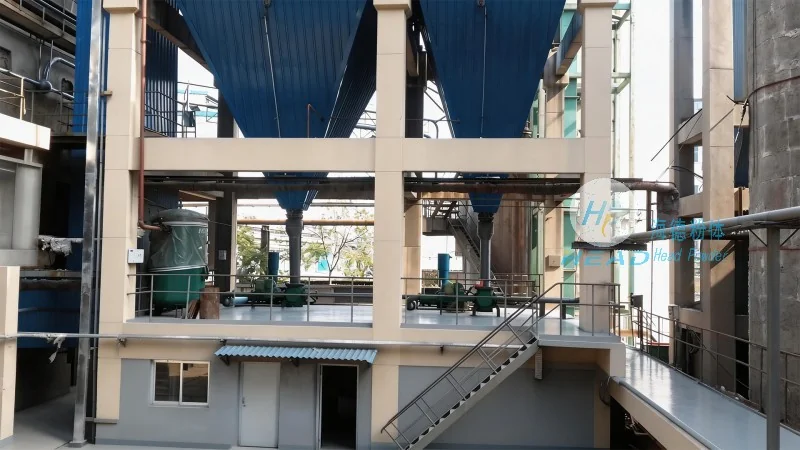
The pressure system utilizes compressed air to force material through the pipeline, making it suitable for longer conveying distances or higher material throughput. This method is commonly employed in industrial settings where materials need to be transported from a central storage facility to multiple processing points. The pressure system requires robust glass fiber components that can withstand higher air pressures and material impact, ensuring long-term reliability. The design of the pipeline and fittings in a pressure system focuses on maintaining consistent air velocity and preventing pressure drops that could lead to material deposition.
The mixed system combines elements of both aspiration and pressure systems, offering greater flexibility for complex conveying routes. This system is often used in applications where materials need to be transported from multiple sources to a single destination, or where the pipeline layout involves both vertical and horizontal segments. The mixed system allows for the use of vacuum in certain sections to draw material from a hopper while using pressure in other sections to push material through longer horizontal runs. The glass fiber components in a mixed system are designed to handle both vacuum and pressure conditions, ensuring compatibility and durability across the entire conveying process.
Applications and Benefits of Glass Fiber Pneumatic Conveying
Glass fiber pneumatic conveying is widely used across various industries due to its efficiency, flexibility, and ability to handle a diverse range of materials. The technology is particularly beneficial in sectors such as pharmaceuticals, food processing, and chemical manufacturing, where material purity and contamination control are critical. For example, in pharmaceutical production, glass fiber systems are used to transport fine powders and granules without introducing contaminants, ensuring product quality and compliance with regulatory standards. In food processing, the system can handle ingredients like flour, sugar, or spices, maintaining hygiene and preventing cross-contamination. The chemical industry also benefits from glass fiber conveying systems, as they can handle corrosive or abrasive materials without degradation of the pipeline or fittings.
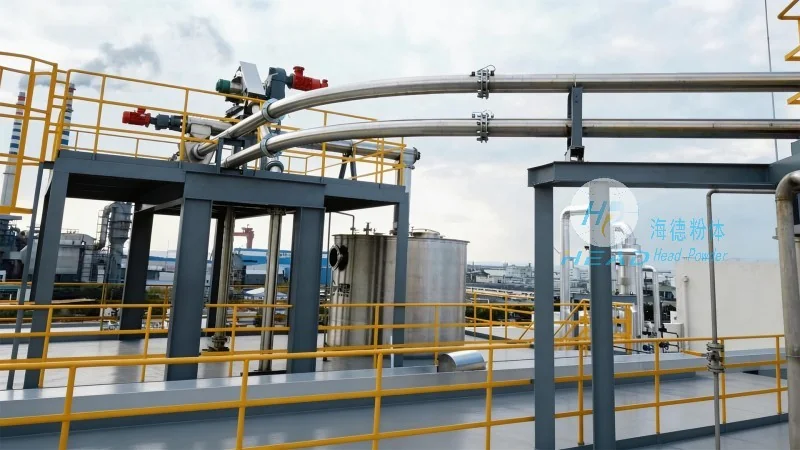
One of the key advantages of glass fiber pneumatic conveying is its ability to reduce material loss and improve process efficiency. Unlike traditional mechanical systems, which may experience wear and tear or material buildup, glass fiber pipelines have smooth, non-stick surfaces that minimize particle adhesion. This results in lower maintenance costs and higher material recovery rates. Additionally, the system can be easily integrated with existing production lines, allowing for seamless material transfer without disrupting operations. The flexibility of the glass fiber pipeline also enables easy modifications to the conveying route, adapting to changes in production needs or facility layout.
Another significant benefit is the environmental impact of glass fiber pneumatic conveying. By eliminating the need for mechanical components like conveyor belts or buckets, the system reduces energy consumption and operational costs. The use of air as the conveying medium also minimizes the risk of material spillage or dust emissions, contributing to a cleaner and safer working environment. This makes glass fiber systems an attractive option for industries focused on sustainability and environmental responsibility.
HeadPowder: Expert in Glass Fiber Pneumatic Conveying Solutions
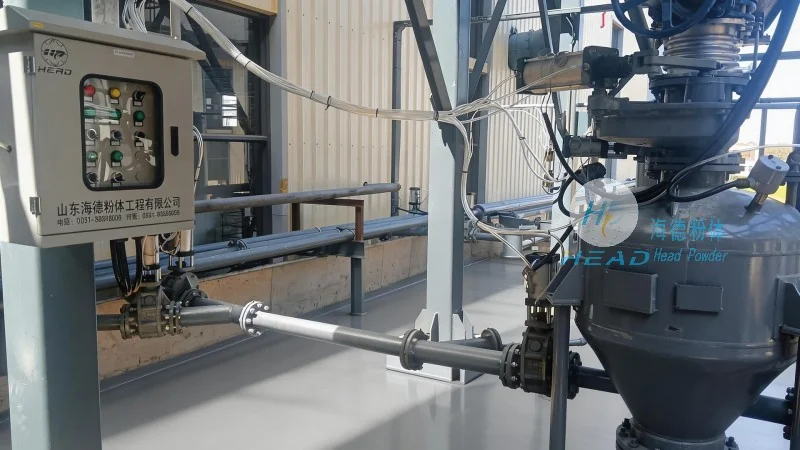
Shandong HeadPowder Engineering Co., Ltd., commonly known as HeadPowder, is a leading manufacturer and supplier of glass fiber pneumatic conveying systems. With headquarters in Shandong, China, HeadPowder specializes in designing, manufacturing, and installing customized solutions tailored to the unique needs of each client. The company's expertise lies in the integration of advanced glass fiber technology with efficient material handling principles, ensuring high performance and reliability for a wide range of applications.
HeadPowder's team of engineers and technicians work closely with clients to understand their specific requirements, from material characteristics to operational constraints. This collaborative approach allows for the development of tailored systems that optimize conveying efficiency, reduce maintenance costs, and enhance overall productivity. The company's product line includes a variety of glass fiber components, such as pipelines, fittings, and control systems, all designed to meet the highest standards of quality and durability.
HeadPowder's commitment to innovation and customer satisfaction has established it as a trusted partner in the material handling industry. The company's glass fiber pneumatic conveying systems are known for their longevity, low maintenance requirements, and ability to handle challenging materials. By leveraging the unique properties of glass fiber, HeadPowder provides solutions that not only meet current operational needs but also adapt to future technological advancements. With a focus on quality and customer support, HeadPowder continues to be a leader in providing efficient and reliable material handling solutions for industries worldwide.