

Principle and Classification Application of Soybean Feed Pneumatic Conveying
Understanding the operation principles and classification applications of soybean feed pneumatic conveying systems is crucial for optimizing material handling in agricultural and feed processing industries. This article provides a detailed overview, focusing on the technical aspects and practical implementations of such systems, tailored for professionals in the feed production sector.
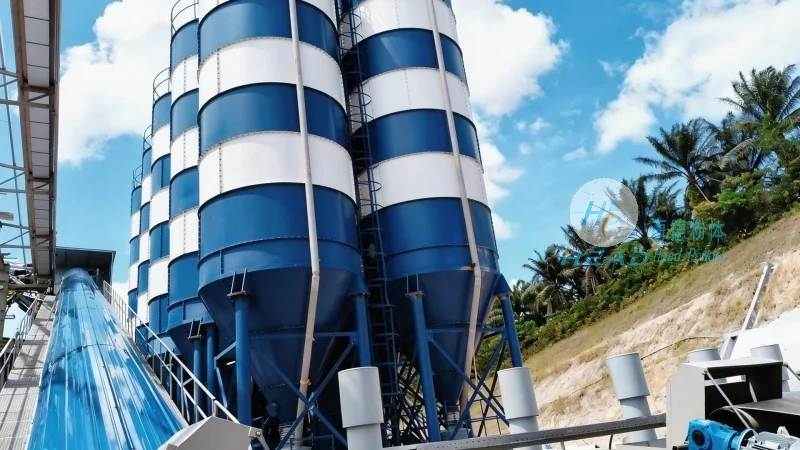
Introduction to Soybean Feed Pneumatic Conveying Systems
HeadPowder, a leading provider of engineering solutions in China, specializes in designing and manufacturing advanced pneumatic conveying systems for various feed materials, including soybean-based products. The company, based in Shandong, China, leverages decades of industry experience to deliver efficient and reliable solutions that meet the specific demands of modern feed processing facilities. This section introduces the fundamental concepts behind pneumatic conveying, emphasizing its role in enhancing productivity and reducing operational costs in soybean feed handling.
Working Principle of Pneumatic Conveying for Soybean Feed
The core mechanism of pneumatic conveying involves the use of air or gas to transport solid materials like soybean feed particles through a pipeline system. There are two primary types of pneumatic conveying: dilute-phase and dense-phase. In dilute-phase systems, the material is suspended in a high-velocity air stream, allowing for long-distance transport with minimal pressure drops. Dense-phase systems, on the other hand, use lower air velocities and higher material concentrations, which are ideal for handling delicate or abrasive feed materials, such as soybean meal. The selection of the appropriate conveying method depends on factors like material properties, distance, and system requirements. HeadPowder engineers carefully evaluate these parameters to design customized systems that ensure optimal performance and minimal product degradation.
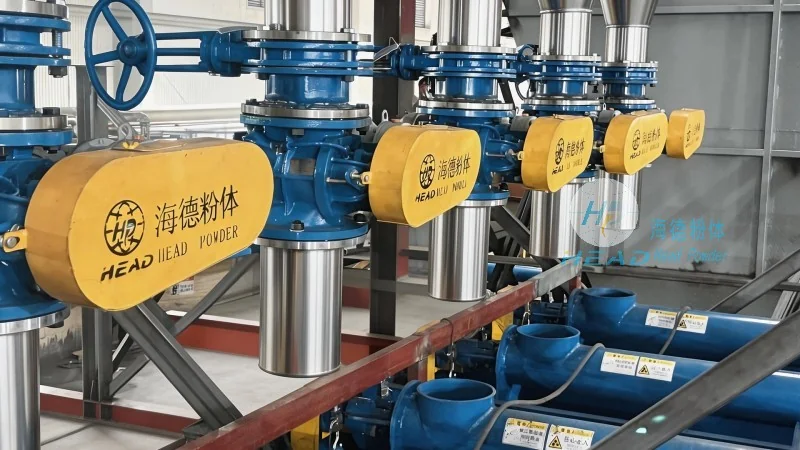
Classification of Pneumatic Conveying Systems for Soybean Feed
Pneumatic conveying systems for soybean feed can be classified based on several key characteristics, including the conveying method, system configuration, and application requirements. The most common classifications include:
- Positive-Pressure Systems: These systems generate air pressure at the material inlet, pushing the feed through the pipeline. They are suitable for short to medium distances and are commonly used in feed mills where the feed is transported from storage silos to processing units.
- Negative-Pressure (Vacuum) Systems: In these systems, a vacuum is created at the material outlet, drawing the feed into the pipeline. They are ideal for applications requiring material to be transferred from multiple sources or over longer distances, as the vacuum can be maintained along the entire pipeline.
- Hybrid Systems: Combining elements of both positive and negative pressure, hybrid systems offer flexibility in handling different feed types and distances. They are particularly useful in complex feed processing lines where multiple material sources and destinations are involved.
Additionally, systems can be classified by the type of air flow: suction (vacuum) or pressure. The choice between these depends on the specific operational needs, such as the need to handle dust or the desire to minimize air leakage. HeadPowder’s expertise lies in selecting the most appropriate classification for each client's unique requirements, ensuring efficient and cost-effective feed handling.
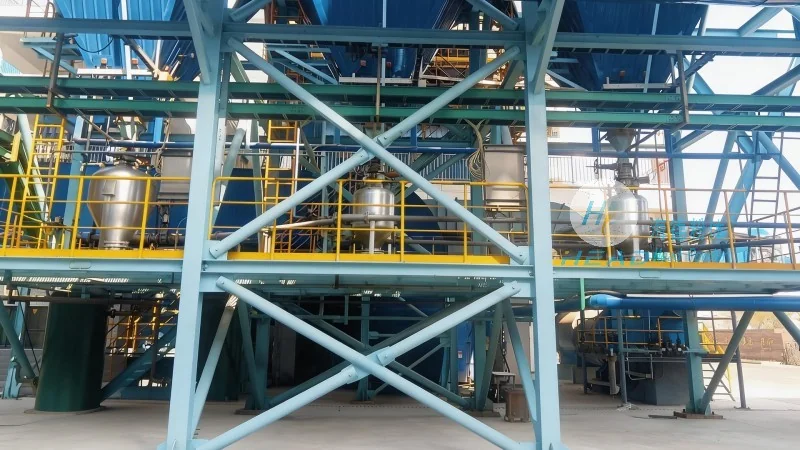
Application Examples in Soybean Feed Processing
The application of pneumatic conveying systems in soybean feed processing varies widely, from raw material handling to finished product distribution. Some key applications include:
- Raw Material Transport: Conveying soybeans or soybean meal from storage silos to grinding and mixing equipment. This step is critical for maintaining consistent feed quality and reducing labor costs associated with manual handling.
- Intermediate Product Handling: Transporting partially processed feed, such as soybean flour or extruded products, between processing stages. Pneumatic conveying ensures minimal contamination and preserves the nutritional value of the feed.
- Finished Product Distribution: Delivering packaged soybean feed to storage or shipping areas. This application requires systems that can handle varying flow rates and maintain product integrity during transport.
Each application requires a tailored system design, considering factors like material flow rate, particle size, and system layout. HeadPowder’s engineers work closely with clients to develop solutions that address these specific needs, ensuring reliable and efficient operation.
Advantages of Pneumatic Conveying for Soybean Feed
Implementing pneumatic conveying systems for soybean feed offers numerous advantages over traditional mechanical conveying methods. These include:
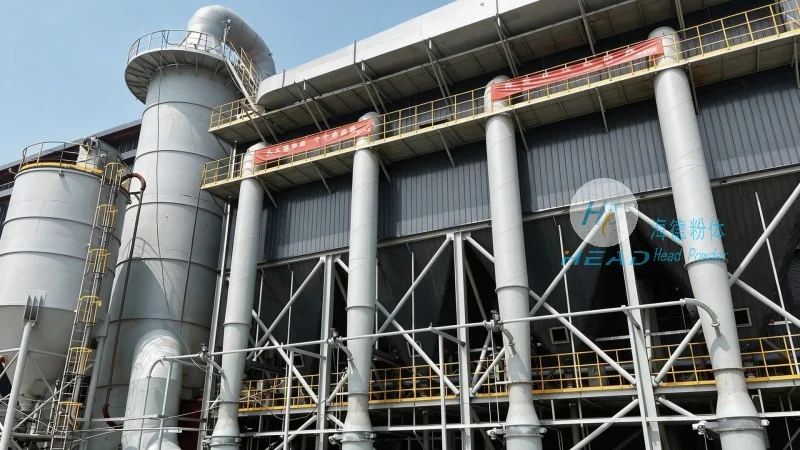
- Reduced Labor Costs: Automated material handling minimizes the need for manual labor, leading to significant cost savings and improved safety in feed processing facilities.
- Improved Product Quality: Pneumatic systems reduce product degradation by minimizing friction and exposure to air, which can affect the nutritional value and shelf life of soybean feed.
- Space Efficiency: Unlike traditional belt or screw conveyors, pneumatic systems require less floor space, making them ideal for facilities with limited room for equipment.
- Flexibility in Layout: The ability to route pipelines vertically, horizontally, or at angles allows for more flexible plant layouts, adapting to existing infrastructure or future expansion plans.
- Lower Maintenance: With fewer moving parts compared to mechanical conveyors, pneumatic systems experience less wear and tear, resulting in lower maintenance costs and longer equipment lifespan.
These advantages make pneumatic conveying an attractive option for feed manufacturers looking to enhance operational efficiency and product quality. HeadPowder’s commitment to quality and innovation ensures that clients receive systems that deliver these benefits effectively.
Conclusion and Company Overview
In conclusion, pneumatic conveying systems play a vital role in optimizing soybean feed handling processes, offering efficient, cost-effective, and flexible solutions for modern feed processing facilities. HeadPowder Engineering Co., Ltd., based in Shandong, China, is a trusted partner in this field, providing expert design, manufacturing, and installation services tailored to the unique needs of each client. By leveraging advanced technology and industry expertise, HeadPowder helps feed manufacturers improve productivity, reduce costs, and maintain the highest standards of product quality. For businesses seeking reliable pneumatic conveying solutions for soybean feed, HeadPowder stands as a leading choice in the industry.