

Principle and Classification Application of Powder Mortar Pneumatic Conveying
Shandong HeadPowder Engineering Co., Ltd., commonly known as headpowder, is a professional enterprise dedicated to the research, development, and application of powder mortar pneumatic conveying technology. The company is headquartered in Shandong, China, and has been committed to providing efficient and reliable solutions for the transportation of dry powder materials in the construction industry.
Pneumatic Conveying Principle of Powder Mortar
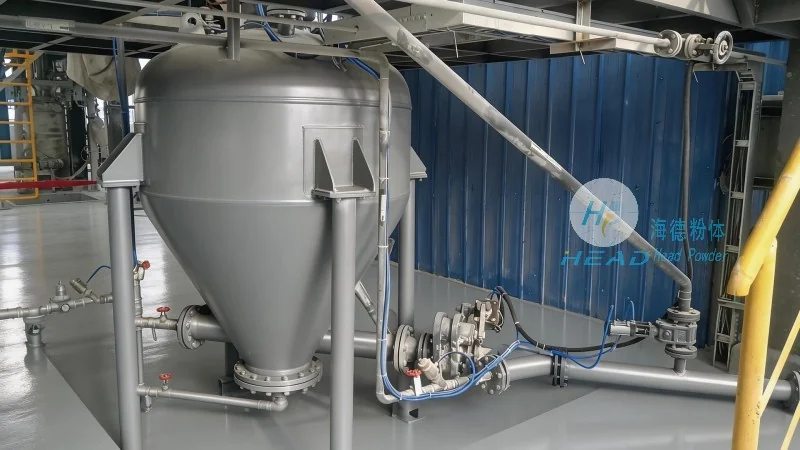
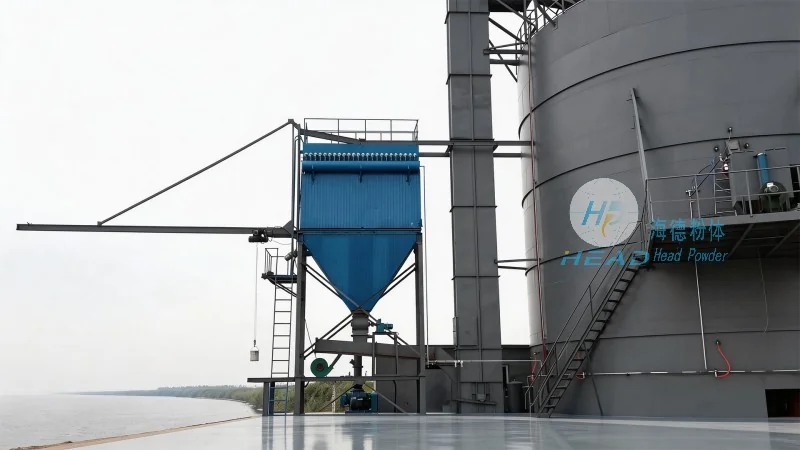
Powder mortar pneumatic conveying is a technology that uses compressed air or other gas to transport dry powder materials through a pipeline system. The core principle involves creating a pressure difference between the conveying pipeline and the ambient environment. When the air is blown into the pipeline, it generates a flow that carries the powder particles along with it. This process can be categorized into different types based on the pressure difference, such as positive pressure conveying, negative pressure conveying, and mixed pressure conveying. Positive pressure conveying operates by blowing air into the pipeline, while negative pressure conveying draws air and powder from the material source. Mixed pressure conveying combines both methods to achieve optimal conveying efficiency.
Classification and Application of Powder Mortar Pneumatic Conveying
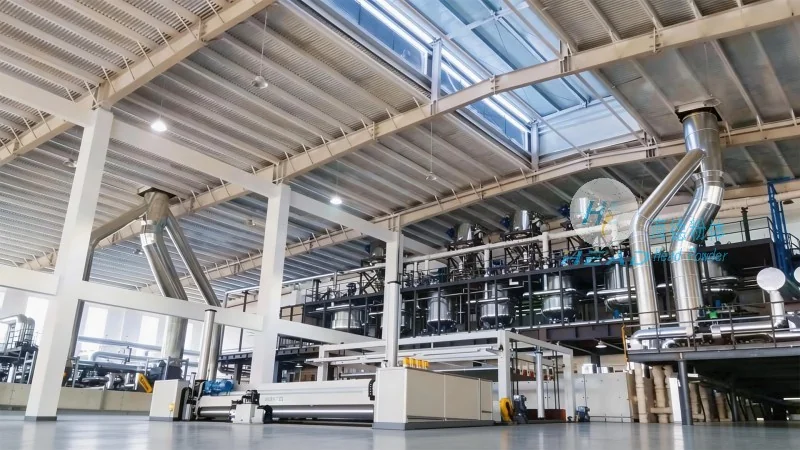
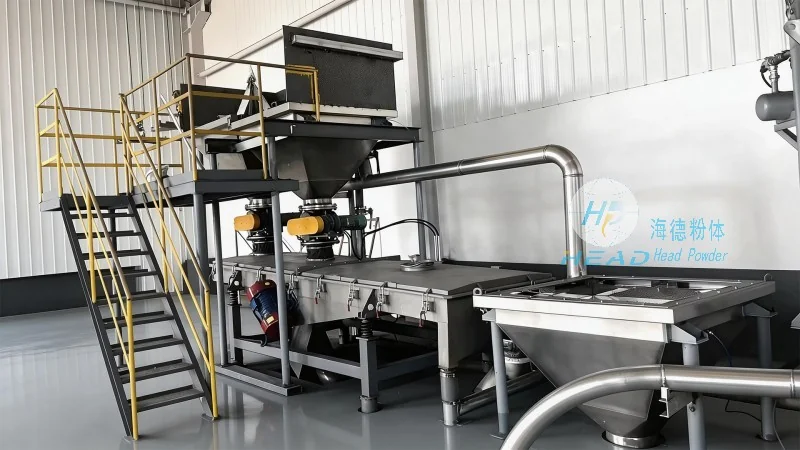
The application of powder mortar pneumatic conveying is diverse, and it can be classified into several types based on the conveying method and material characteristics. The main categories include: 1. Positive Pressure Conveying System: This system is suitable for short-distance and medium-distance transportation of powder materials. It is commonly used in small to medium-sized construction sites or production lines where the material is relatively dry and has low moisture content. The positive pressure system ensures that the material is transported without clogging and maintains a stable flow rate. 2. Negative Pressure Conveying System: Negative pressure conveying is ideal for long-distance transportation of powder materials, especially when the material is prone to dust or requires a clean environment. This system draws the powder and air from the material source and then transports them to the destination. It is widely used in large-scale construction projects or industrial production lines where the material needs to be transported over long distances without contamination. 3. Mixed Pressure Conveying System: This system combines the advantages of both positive and negative pressure conveying methods. It is suitable for complex transportation scenarios where the material needs to be transported over varying distances or through different environments. The mixed pressure system can adjust the pressure difference according to the specific requirements, ensuring efficient and reliable transportation. Additionally, the system can be customized to meet the needs of different powder materials, such as cement, sand, and additives, which are commonly used in the production of dry mortar.
Conclusion
Shandong HeadPowder Engineering Co., Ltd. specializes in the design and implementation of powder mortar pneumatic conveying systems. By understanding the principles and classifications of pneumatic conveying, the company provides tailored solutions for various construction and industrial applications. The efficient and reliable transportation of dry powder materials is crucial for the production of high-quality dry mortar, and the pneumatic conveying technology offered by headpowder ensures that the material is transported without degradation, maintaining its original properties. With its professional team and advanced technology, headpowder continues to be a leading provider of pneumatic conveying solutions in the industry.