

Principle and Classification Applications of Ammonium Bicarbonate Pneumatic Conveying
Ammonium bicarbonate, a widely used chemical compound in various industrial sectors, often requires efficient material handling solutions for its transport and distribution. Pneumatic conveying systems have emerged as a reliable method for handling this substance, offering advantages such as reduced dust, improved safety, and enhanced process control. This article provides an overview of the working principles behind ammonium bicarbonate pneumatic conveying and categorizes its applications to help industry professionals understand the technology's practical implications.
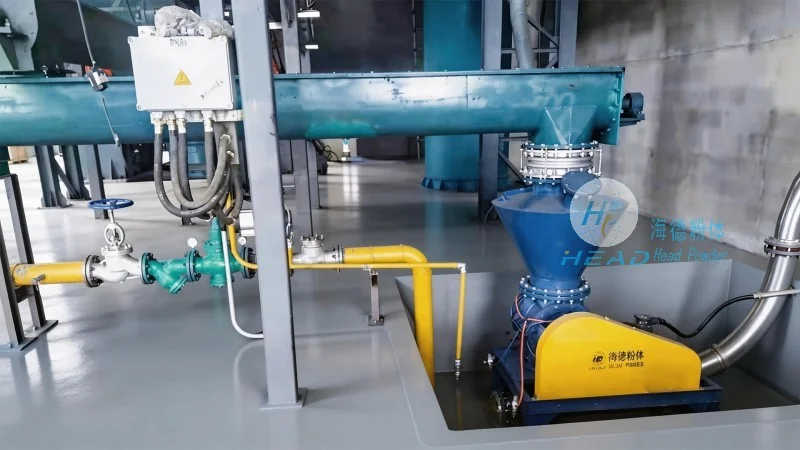
Understanding the Working Principles of Ammonium Bicarbonate Pneumatic Conveying
The core of pneumatic conveying for ammonium bicarbonate lies in the use of air or gas to transport the material through a pipeline system. The process typically involves a few key components and mechanisms. First, the material is introduced into a hopper or feeder, where it is then fed into a conveying line. A fan or blower generates the necessary airflow, creating a pressure differential that propels the ammonium bicarbonate particles through the pipeline. The system can operate in either positive pressure or negative pressure modes, each with distinct characteristics that influence performance and suitability for different scenarios.
Positive pressure systems, also known as pressure conveying, use a blower to push air and material through the line. This method is effective for long-distance or high-capacity transport, as it maintains a consistent pressure that prevents material settling. Negative pressure systems, or vacuum conveying, use a vacuum pump to draw material into the line. This approach is ideal for handling fine powders or when the material needs to be transferred from multiple sources to a central collection point. The choice between positive and negative pressure depends on factors like the distance to be covered, the material's characteristics, and the required throughput.
Key components in an ammonium bicarbonate pneumatic conveying system include the hopper, feeder, airlock, filter, and control valves. The hopper stores the material and ensures a steady feed to the system. The feeder regulates the flow rate, preventing overloading or underloading that could disrupt the conveying process. The airlock, often a rotary or sliding valve, isolates the hopper from the conveying line, preventing backflow and maintaining system integrity. The filter captures any fine particles that escape, protecting the downstream equipment and ensuring compliance with environmental regulations. Control valves adjust the airflow and pressure, allowing operators to fine-tune the system for optimal performance.
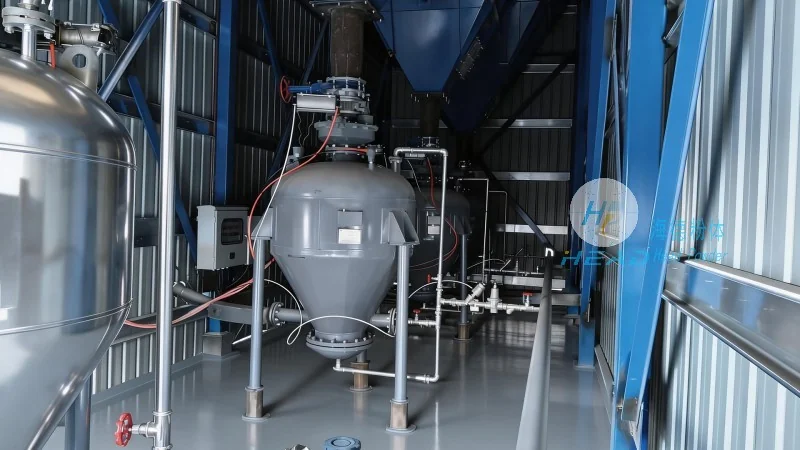
Categorizing Applications of Ammonium Bicarbonate Pneumatic Conveying
Ammonium bicarbonate is utilized in diverse industries, and the pneumatic conveying systems designed for it are tailored to meet specific application requirements. The applications can be broadly categorized into several key areas, each with unique operational demands.
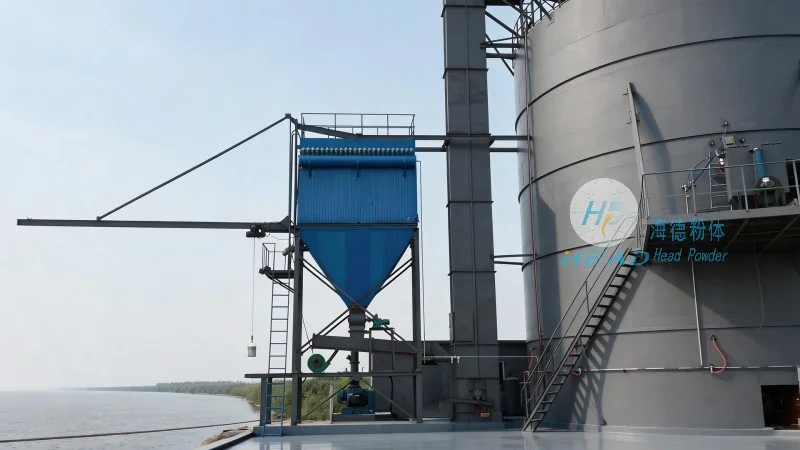
First, in the agricultural sector, ammonium bicarbonate is used as a nitrogen fertilizer. Pneumatic conveying systems are employed to transport the fertilizer from production facilities to storage silos or directly to agricultural fields. This method ensures efficient distribution, minimizing material loss and reducing the risk of contamination. The systems are designed to handle large volumes of the fertilizer, often in bulk, and can operate in both positive and negative pressure modes depending on the distance and storage location.
Second, in the food and beverage industry, ammonium bicarbonate serves as a leavening agent in baking. Pneumatic conveying is used to transport the powder from processing plants to packaging lines or storage areas. The systems must meet strict hygiene standards, with components made from food-grade materials and sealed to prevent contamination. The conveying process is typically done in a closed loop to maintain product purity and comply with food safety regulations. The ability to handle fine powders without clogging is crucial in this application.
Third, in the pharmaceutical industry, ammonium bicarbonate is used as an excipient or in the production of certain medications. Pneumatic conveying systems are employed to transport the material to mixing and processing equipment. The systems must adhere to stringent quality control measures, including particle size control and contamination prevention. The use of positive pressure systems is common here, as they provide better control over the material flow and reduce the risk of cross-contamination from other substances.
Fourth, in the chemical manufacturing industry, ammonium bicarbonate is used as an intermediate in the production of other chemicals. Pneumatic conveying is used to transport the material between reactors, storage tanks, and packaging facilities. The systems are designed to handle corrosive or reactive materials, with components made from materials resistant to chemical attack. The control systems are often integrated with process monitoring equipment to ensure precise dosing and prevent over or under-processing.
Advantages and Considerations for Ammonium Bicarbonate Pneumatic Conveying
Implementing pneumatic conveying systems for ammonium bicarbonate offers several advantages, but it also requires careful consideration of operational and maintenance factors. The primary benefits include improved safety, as the system operates in a closed environment, reducing exposure to dust and fumes. This is particularly important for ammonium bicarbonate, which can be irritant to the respiratory system if inhaled in large quantities. Additionally, the systems offer enhanced process control, allowing operators to adjust flow rates and pressure to maintain consistent product quality.