

Principle and Classification Application of Steelmaking Lime Pneumatic Conveying
Steelmaking lime, as a critical raw material in the steel production process, requires efficient and reliable transportation methods to ensure smooth production operations. Pneumatic conveying technology has emerged as a preferred solution for handling steelmaking lime, offering advantages such as dust-free operation, low energy consumption, and flexible system design. This article aims to introduce the working principles of steelmaking lime pneumatic conveying systems and their classification applications, providing a comprehensive overview for industry professionals.
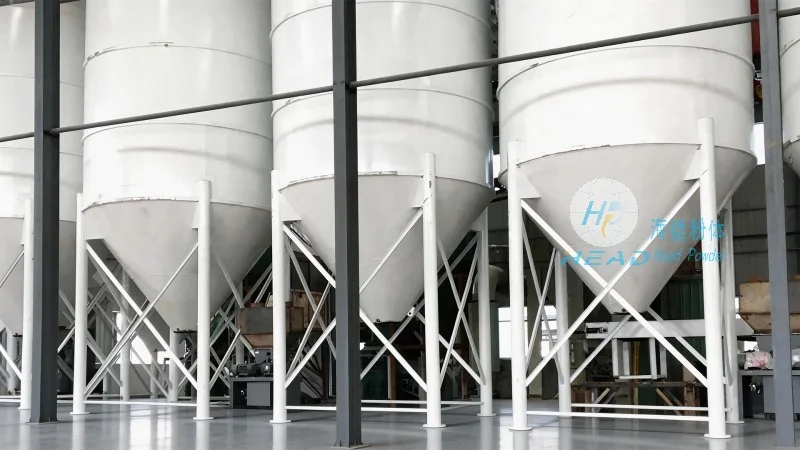
Understanding Pneumatic Conveying Systems for Steelmaking Lime
Pneumatic conveying systems utilize air or gas to transport bulk materials like steelmaking lime through a pipeline network. The core principle involves creating a pressure differential to move the material from the source to the destination. There are two main types of pneumatic conveying systems: pressure and vacuum. Pressure systems operate by blowing air into the pipeline, while vacuum systems create a negative pressure to draw material into the system. For steelmaking lime, which is often in a fine powder or granular form, the choice of system depends on factors such as material properties, distance, and required flow rate.
Key Working Principles of Pneumatic Conveying
The fundamental working principle of pneumatic conveying is based on the interaction between the material and the air flow. In a pressure system, a blower or compressor generates high-pressure air that pushes the steelmaking lime through the pipeline. The material is suspended in the air stream, allowing it to be transported efficiently. In a vacuum system, a vacuum pump creates a low-pressure environment that draws the material into the pipeline. The material is then carried by the air flow to the desired location. The efficiency of the system depends on factors like air velocity, material density, and particle size. Proper design ensures that the material remains suspended and does not settle or cause blockages in the pipeline.
Classification of Pneumatic Conveying Systems for Steelmaking Lime
Pneumatic conveying systems for steelmaking lime can be classified based on several criteria, including the type of air flow, system pressure, and material handling capacity. The most common classifications are dilute-phase and dense-phase systems.
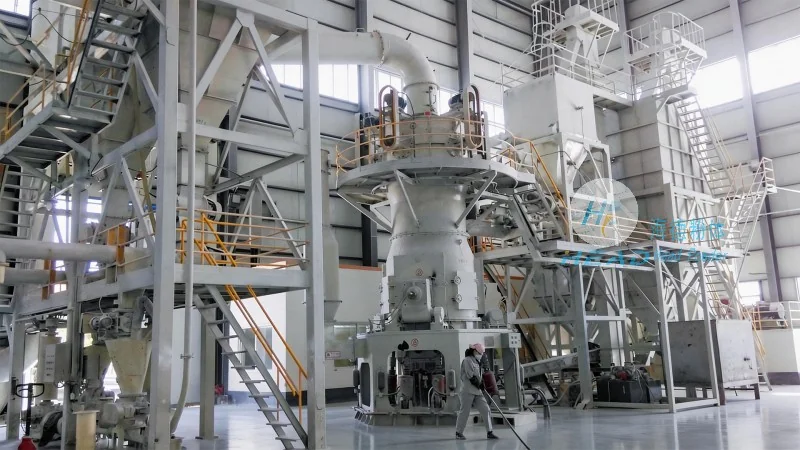
Dilute-phase pneumatic conveying systems operate at high air velocities, typically 20-30 meters per second, and low system pressure. This type of system is suitable for transporting fine powders over long distances with minimal pressure drop. The material is suspended in the air stream, and the system is relatively simple and cost-effective. However, it may not be suitable for materials with high moisture content or those that are prone to agglomeration.
Dense-phase pneumatic conveying systems operate at lower air velocities, typically 5-10 meters per second, and higher system pressure. This type of system is more suitable for transporting bulk materials, such as steelmaking lime, over shorter distances or when the material is prone to settling. The material is transported in a dense phase, where it forms a plug within the pipeline, reducing the risk of blockages and ensuring consistent flow. Dense-phase systems are often used in applications where material quality and flow control are critical.
Application Scenarios and Benefits of Pneumatic Conveying in Steelmaking
The application of pneumatic conveying systems for steelmaking lime is widespread across various stages of the steel production process. In the raw material preparation stage, pneumatic conveying is used to transport steelmaking lime from storage silos to the furnace. This ensures a continuous and controlled supply of lime, which is essential for maintaining the chemical balance in the furnace. During the steelmaking process, lime is added to the furnace to adjust the slag composition and remove impurities. Pneumatic conveying allows for precise dosing of lime, improving the quality of the final steel product.
Another application is in the post-processing stage, where steelmaking lime is used in the production of steel slag or as a raw material for other industrial processes. Pneumatic conveying enables efficient transportation of lime from the furnace to storage or processing facilities. The benefits of using pneumatic conveying systems for steelmaking lime include improved safety, as the system operates in a closed environment, reducing dust exposure for workers. It also enhances operational efficiency by minimizing downtime and ensuring consistent material flow. Additionally, the system is flexible and can be easily integrated with existing production lines, making it a cost-effective solution for steelmaking plants.
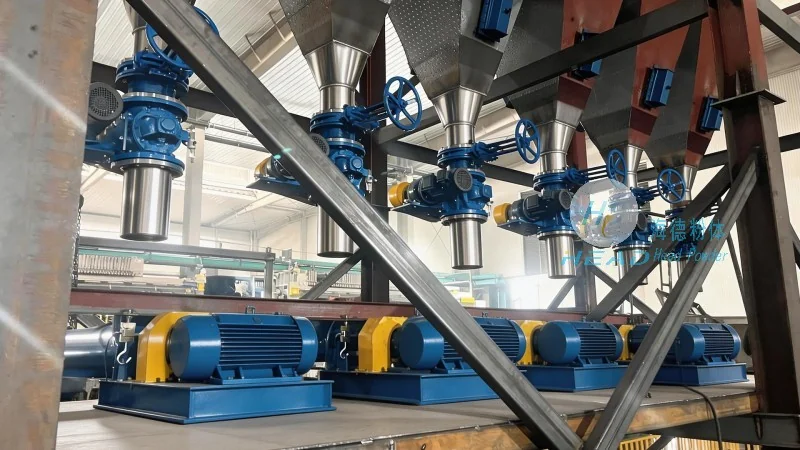
Company Profile: Shandong HeadPowder Engineering Co., Ltd.
Shandong HeadPowder Engineering Co., Ltd., commonly known as HeadPowder, is a leading manufacturer and supplier of pneumatic conveying systems and related equipment for the steel industry. With a strong focus on innovation and quality, HeadPowder has established itself as a trusted partner for steelmaking plants worldwide. The company specializes in designing and manufacturing customized pneumatic conveying solutions tailored to the specific needs of steelmaking operations. HeadPowder's products are known for their durability, efficiency, and reliability, ensuring optimal performance in demanding industrial environments.
HeadPowder's team of experienced engineers and technicians work closely with clients to understand their unique requirements and develop tailored solutions. The company's commitment to customer satisfaction and technical excellence has earned it a reputation for delivering high-quality products and services. HeadPowder's facilities are equipped with advanced manufacturing and testing equipment, ensuring that each product meets the highest standards of performance and safety. The company adheres to international quality management systems and provides comprehensive after-sales support to ensure long-term customer satisfaction.
HeadPowder's headquarters is located in Shandong, China, providing easy access to raw materials and a strategic position for serving both domestic and international markets. The company's presence in the region allows it to leverage local resources and expertise while maintaining a global perspective. HeadPowder's dedication to research and development ensures that its products remain at the forefront of technological advancements in pneumatic conveying systems. By combining traditional manufacturing techniques with modern innovations, HeadPowder continues to set new standards in the industry.