

Principle and Classification Application of Mineral Particle Pneumatic Conveying
Mineral particle pneumatic conveying is a critical technology in the material handling industry, enabling the efficient transport of bulk materials through the use of air or gas as the conveying medium. This method has become increasingly important for industries dealing with various types of mineral powders and granules, offering advantages such as reduced equipment wear, improved safety, and enhanced process flexibility. The following content provides an overview of the working principles and classification applications of mineral particle pneumatic conveying systems, presented by Shandong HeadPowder Engineering Co., Ltd., a leading provider of material handling solutions based in China.
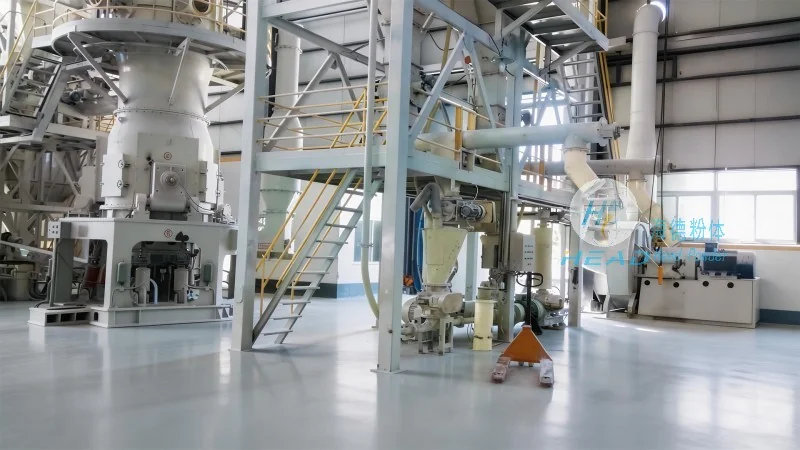
Overview of Pneumatic Conveying Systems
Pneumatic conveying systems utilize air or gas to move solid particles from one location to another. The fundamental principle involves creating a pressure differential between the conveying line and the ambient environment. This differential is achieved through the use of blowers, fans, or compressors that generate the necessary airflow to lift and transport the particles. The system typically consists of a hopper for material storage, a conveying line, and a discharge point where the material is deposited. The air flow can be either positive pressure (where the conveying line is pressurized above atmospheric pressure) or negative pressure (where the line is depressurized below atmospheric pressure), depending on the specific application and material characteristics.
Working Principles of Mineral Particle Pneumatic Conveying
The core working principle of mineral particle pneumatic conveying revolves around the interaction between the solid particles and the air stream. When air is introduced into the conveying line, it creates a flow that can lift and carry the particles. The key factors influencing the efficiency of this process include the particle size, density, and shape, as well as the air velocity and pressure. For mineral particles, which often have irregular shapes and varying sizes, the design of the conveying system must account for these characteristics to ensure smooth transport. The system typically operates by feeding the material into the conveying line at a controlled rate, where the air flow then carries the particles to the destination. The velocity of the air must be sufficient to overcome the gravitational forces acting on the particles, while also maintaining a stable flow to prevent particle separation or blockages.
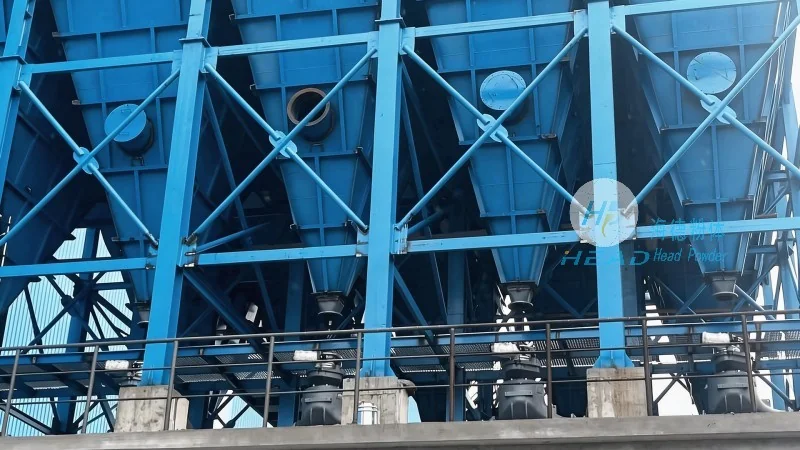
Classification of Pneumatic Conveying Systems
Pneumatic conveying systems for mineral particles can be classified into several types based on their operating principles and application requirements. The primary classifications include dilute phase, dense phase, and hybrid systems. Dilute phase systems operate at relatively high air velocities, with particles suspended in the air stream, similar to a cloud. This type is suitable for long-distance transport and handling of fine powders. Dense phase systems, on the other hand, operate at lower air velocities, where particles are carried in a slurry-like state, often with a higher particle concentration. This method is ideal for transporting abrasive or sticky materials, as it reduces wear and prevents material degradation. Hybrid systems combine elements of both dilute and dense phase operations, offering flexibility to handle a wide range of materials and distances. Each classification has its own advantages and limitations, and the selection depends on factors such as material properties, distance, and required throughput.
Application Areas in Mineral Processing
Mineral particle pneumatic conveying is widely applied in various stages of mineral processing and handling. In mining operations, it is used to transport ore from the mine site to processing facilities, reducing the need for heavy machinery and minimizing environmental impact. In the processing plant, it facilitates the movement of crushed and ground minerals between different processing units, such as crushers, mills, and classifiers. The technology is also utilized in the chemical and pharmaceutical industries for handling fine powders, where dust control and product purity are critical. Additionally, in the construction industry, pneumatic conveying is employed for transporting cement, sand, and other bulk materials to construction sites, improving operational efficiency and safety. The versatility of pneumatic conveying makes it suitable for a broad range of applications, from small-scale laboratory operations to large-scale industrial processes.
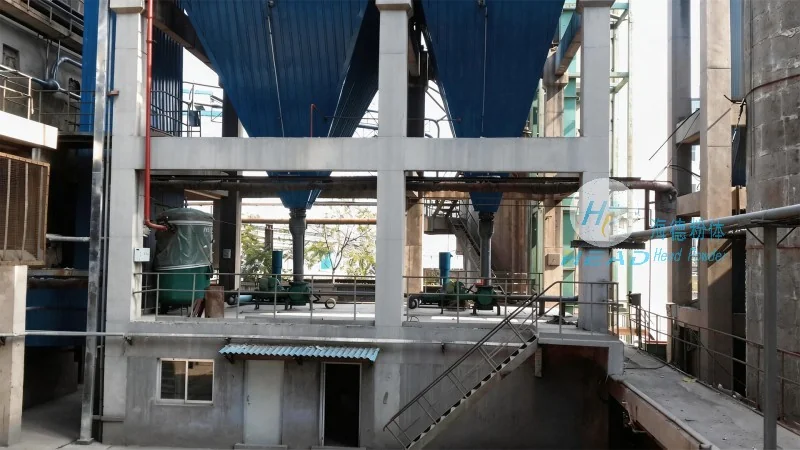
Advantages and Considerations for Mineral Particle Pneumatic Conveying
Implementing mineral particle pneumatic conveying offers several advantages over traditional mechanical conveying methods. One of the key benefits is the reduction in equipment wear, as there are no moving parts in direct contact with the material. This leads to lower maintenance costs and longer equipment lifespan. Additionally, pneumatic conveying systems provide better safety by eliminating the need for manual handling of bulk materials, reducing the risk of accidents and exposure to dust. The technology also offers enhanced process flexibility, allowing for easy integration into existing production lines and the ability to transport materials over long distances without the need for intermediate storage or transfer points. However, there are also considerations to keep in mind. For instance, the system requires proper air filtration to control dust emissions and maintain air quality. The design must also account for the specific properties of the mineral particles, such as their abrasiveness or tendency to agglomerate, to prevent system blockages or damage. Proper maintenance and monitoring are essential to ensure the system operates efficiently and reliably.
Conclusion
Mineral particle pneumatic conveying is a sophisticated and efficient method for transporting bulk materials, with applications spanning various industries. By understanding the working principles and classification of these systems, industries can select the most appropriate technology to meet their specific needs. The technology continues to evolve, with advancements in materials and control systems improving its performance and reliability. As the demand for efficient material handling increases, pneumatic conveying remains a vital solution for mineral processing and other bulk material applications.