

Principle and Classification Application of Rubber Granule Pneumatic Conveying
HeadPowder, a leading enterprise in the field of material handling solutions, specializes in the design, manufacturing, and application of pneumatic conveying systems for rubber granules. This article provides an in-depth exploration of the working principles, classification methods, and practical applications of rubber granule pneumatic conveying, highlighting the technical aspects and industrial relevance of this critical material handling technology.
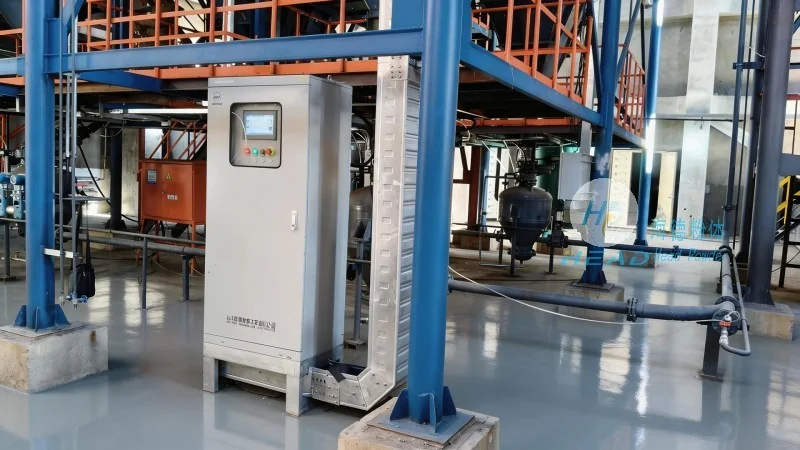
Rubber granules, commonly used in various industrial sectors such as tire manufacturing, flooring, and sports surfaces, require efficient and reliable transportation methods to ensure smooth production processes. Pneumatic conveying, a technology that utilizes air as the conveying medium to transport bulk materials, has become a preferred solution for rubber granule handling due to its advantages in terms of hygiene, flexibility, and reduced equipment wear compared to traditional mechanical conveying systems.
The working principle of rubber granule pneumatic conveying involves the creation of a controlled airflow within a pipeline system. The rubber granules are introduced into the pipeline either by a hopper or a feeder, and the air flow, generated by a blower or a fan, lifts and transports the granules through the pipeline to the destination point. The key components of a pneumatic conveying system for rubber granules typically include a hopper, a feeder, a blower, a pipeline network, and a receiver. The hopper stores the rubber granules and feeds them into the system, while the feeder controls the flow rate of the granules. The blower provides the necessary air pressure and volume to move the granules through the pipeline. The pipeline network connects the various components and guides the granules to the receiver, which collects the delivered material.
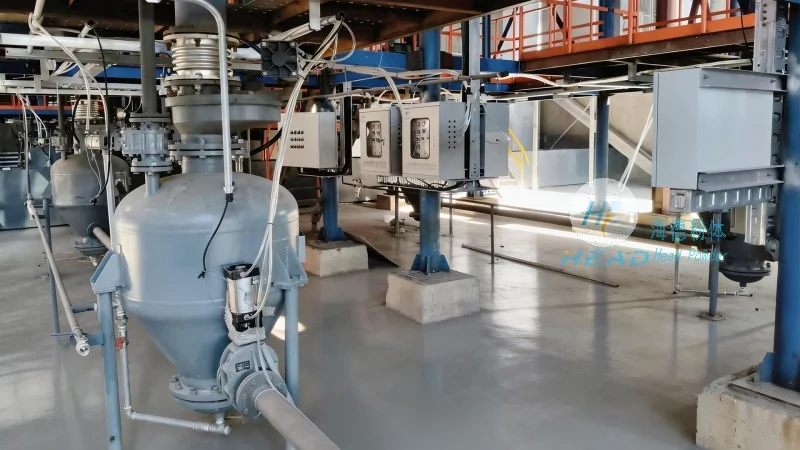
There are primarily two types of pneumatic conveying systems used for rubber granules: dilute-phase and dense-phase systems. Dilute-phase pneumatic conveying operates at higher air velocities, typically ranging from 20 to 30 meters per second, and is suitable for short-distance transportation and low to medium material loads. In this system, the rubber granules are suspended in the air stream, creating a dilute mixture that is transported through the pipeline. Dense-phase pneumatic conveying, on the other hand, operates at lower air velocities, usually between 5 to 15 meters per second, and is designed for longer distances and higher material loads. This system uses a higher air-to-material ratio, resulting in a denser mixture of granules and air, which reduces the risk of material degradation and equipment wear.
The classification of rubber granule pneumatic conveying applications is based on the specific requirements of the industrial processes. For example, in tire manufacturing, rubber granules are often conveyed from storage silos to mixing stations, where they are combined with other raw materials to produce tire compounds. The pneumatic conveying system must be capable of handling high volumes of granules and maintaining a consistent flow rate to ensure the quality of the final tire products. In flooring and sports surface applications, rubber granules are transported from storage to production lines for compounding and extrusion. The system must also be able to handle different sizes and shapes of granules, as well as varying moisture content, to meet the specific requirements of the end products.
Another important application of rubber granule pneumatic conveying is in the recycling industry. Rubber granules are often recovered from used tires and other rubber products, and the pneumatic conveying system is used to transport the granules from the recycling facility to the processing plant. This application requires a system that can handle contaminated materials and maintain a high level of cleanliness to prevent cross-contamination and ensure the quality of the recycled rubber products.
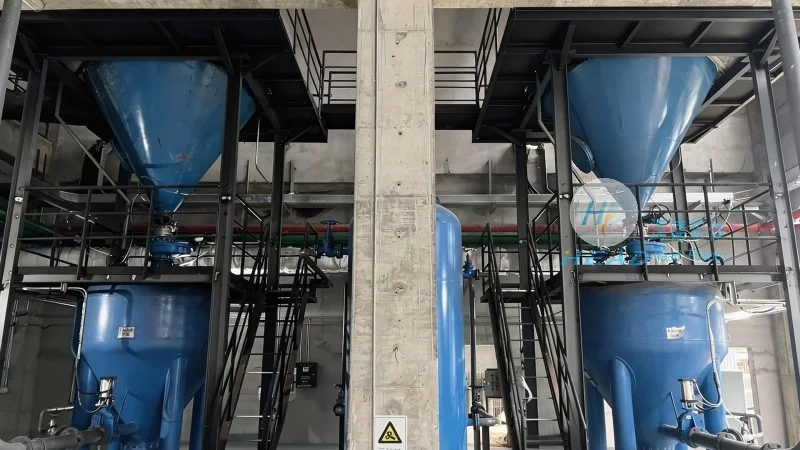
HeadPowder, with its headquarters in Shandong, China, has extensive experience in designing and implementing pneumatic conveying systems tailored to the unique needs of rubber granule handling. The company's expertise lies in the selection of appropriate components, such as hoppers, feeders, and blowers, based on the specific characteristics of the rubber granules and the operational requirements of the industrial process. HeadPowder's engineers work closely with clients to develop customized solutions that optimize material flow, minimize energy consumption, and enhance overall system efficiency.
In conclusion, rubber granule pneumatic conveying is a vital technology in the material handling industry, offering efficient and reliable transportation solutions for rubber granules. The working principles and classification methods of this technology have evolved to meet the diverse needs of industrial applications, and companies like HeadPowder continue to innovate and improve these systems to enhance productivity and product quality. By understanding the technical aspects and practical applications of rubber granule pneumatic conveying, industries can make informed decisions about the most suitable material handling solutions for their operations.