

Application and Optimization of Pneumatic Conveying Technology in Rice Husk Powder Conveying Design
Efficient and reliable material handling is a critical factor in the processing industry, especially when dealing with bulk powders like rice husk powder. Pneumatic conveying technology has emerged as a preferred solution for transporting such materials due to its ability to handle fine powders with minimal product degradation and high operational efficiency. This article explores the application and optimization of pneumatic conveying systems specifically tailored for rice husk powder, highlighting the technical advancements and practical benefits offered by specialized engineering firms such as Shandong HeadPowder Engineering Co., Ltd.
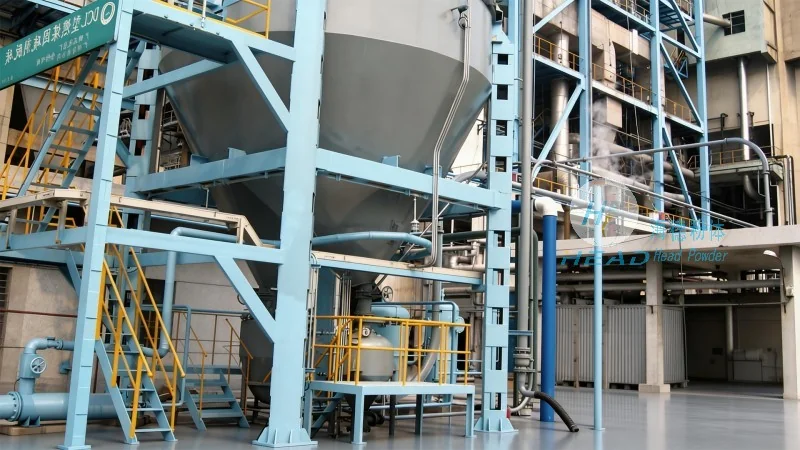
Understanding the Challenges of Rice Husk Powder Conveying
Rice husk powder, a byproduct of rice milling, is characterized by its fine particle size, light weight, and potential for static electricity. These properties can pose significant challenges to traditional conveying methods, including dust generation, clogging, and material loss. Conventional systems like belt conveyors or screw conveyors may struggle with the fine nature of rice husk powder, leading to reduced throughput and increased maintenance costs. Pneumatic conveying, by contrast, uses air to transport particles, minimizing direct contact and thus reducing the risk of degradation and contamination.
HeadPowder Engineering: A Leader in Pneumatic Conveying Solutions
Shandong HeadPowder Engineering Co., Ltd., commonly known as HeadPowder, is a professional engineering company dedicated to providing customized pneumatic conveying solutions for various industrial applications. With years of experience in the field, HeadPowder has developed a deep understanding of the unique requirements of handling rice husk powder and other similar bulk materials. The company's expertise lies in designing and implementing advanced pneumatic systems that optimize material flow, ensure product integrity, and enhance overall operational efficiency.
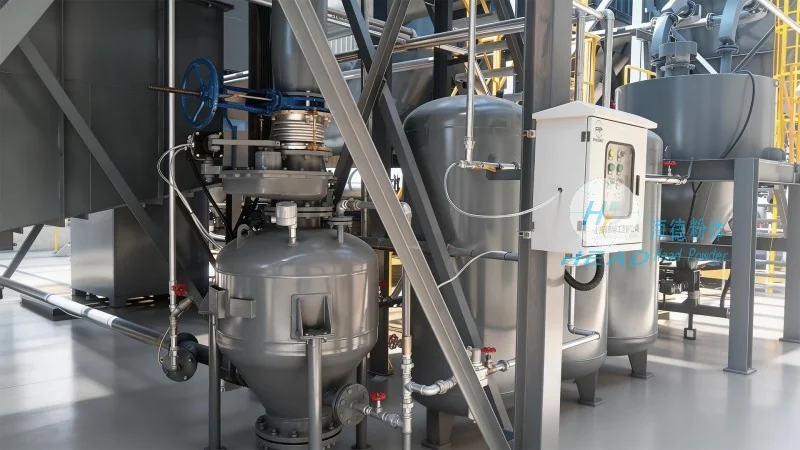
Key Features of Optimized Pneumatic Conveying Systems for Rice Husk Powder
The optimization of pneumatic conveying systems for rice husk powder involves several critical design considerations. First, the selection of appropriate air velocity and pressure is crucial to maintain consistent material flow without causing excessive wear on components. HeadPowder engineers employ sophisticated computational fluid dynamics (CFD) simulations to model the behavior of rice husk powder particles in the conveying line, ensuring optimal air-to-material ratios. Second, the use of specialized equipment such as rotary valves, airlocks, and cyclone separators is essential to prevent clogging and maintain system reliability. These components are designed to handle the fine and light nature of rice husk powder, ensuring smooth and continuous operation.
Another key aspect of optimization is the integration of dust control measures. Rice husk powder is prone to generating dust, which can affect both worker safety and environmental compliance. HeadPowder's systems incorporate advanced filtration and dust collection technologies, such as cartridge filters and baghouses, to minimize airborne particles and meet regulatory standards. This not only enhances safety but also protects the quality of the final product by preventing contamination from external sources.
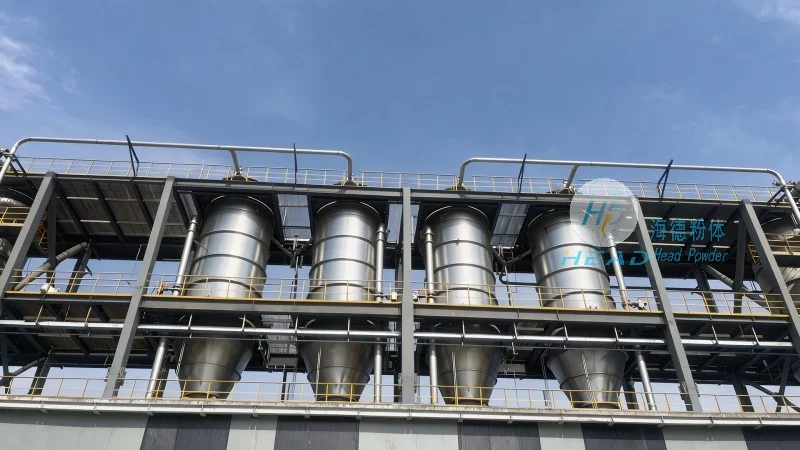
Enhancing Throughput and Reducing Energy Consumption
Efficiency is a top priority in industrial operations, and optimized pneumatic conveying systems for rice husk powder deliver significant improvements in both throughput and energy consumption. By carefully balancing air pressure and flow rates, HeadPowder's systems achieve higher material handling capacities compared to traditional methods, reducing the number of transfer points and overall system complexity. This leads to lower operational costs and increased productivity for clients. Additionally, the use of energy-efficient motors and variable frequency drives (VFDs) in the system further minimizes energy consumption, contributing to a more sustainable and cost-effective operation.
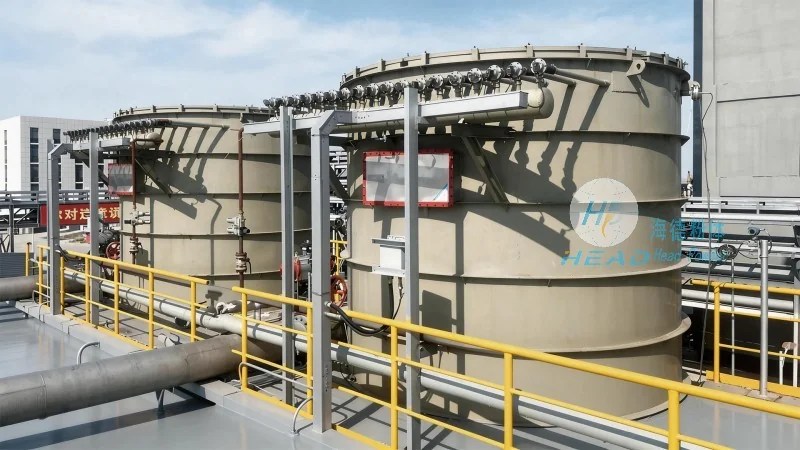
Ensuring Product Integrity and Consistency
For applications where rice husk powder is used as a raw material, maintaining product integrity is paramount. Pneumatic conveying systems, when properly designed and maintained, offer superior protection against contamination and degradation compared to other methods. The absence of direct mechanical contact reduces the risk of particle breakage or mixing with foreign substances. HeadPowder's systems are equipped with stainless steel components and sealed connections to prevent contamination, ensuring that the rice husk powder remains in its original state throughout the conveying process. This is particularly important for industries such as animal feed, where the quality of the raw material directly impacts the final product.
Case Study: Successful Implementation of Pneumatic Conveying in a Rice Milling Plant
A recent project undertaken by HeadPowder involved the installation of a pneumatic conveying system in a large-scale rice milling plant in Shandong, China. The plant was facing challenges with the inefficient handling of rice husk powder from the husk removal stage to the storage silos. HeadPowder's engineering team conducted a thorough analysis of the existing process, identified bottlenecks, and designed a customized system using high-pressure air and cyclone separators. The implementation resulted in a 30% increase in material throughput, a 20% reduction in energy consumption, and a significant decrease in dust emissions. The client reported improved product quality and reduced maintenance costs, validating the effectiveness of the optimized pneumatic conveying solution.