

Application and Optimization of Pneumatic Conveying Technology in BN (Boron Nitride) Material Handli
For industries dealing with high-purity materials like Boron Nitride (BN), the selection of an efficient material handling system is critical to maintaining product quality and operational efficiency. Pneumatic conveying technology has emerged as a preferred solution for transporting BN powders due to its ability to handle fine, abrasive, and temperature-sensitive materials without contamination. This article explores the application and optimization of pneumatic conveying systems in BN material handling design, highlighting the expertise of Shandong HeadPowder Engineering Co., Ltd. in delivering tailored solutions for this specialized industry.
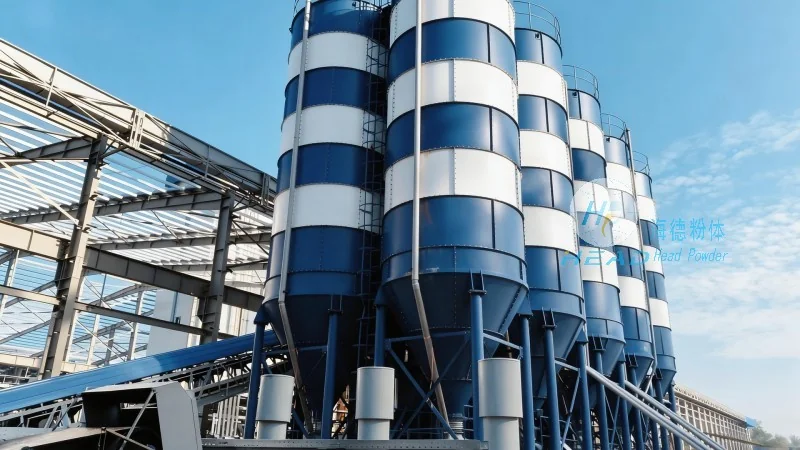
Understanding BN Material Properties and Handling Challenges
Boron Nitride (BN) is a versatile ceramic material known for its thermal stability, electrical insulation properties, and lubricity. However, its fine particle size and high purity make traditional bulk handling methods unsuitable, as they risk particle degradation, contamination, or loss of material integrity. Conventional methods like belt conveyors or screw conveyors may introduce friction and heat, compromising the material's quality. Pneumatic conveying, by contrast, uses air pressure to transport particles in a sealed system, minimizing contact with external elements and preserving the material's characteristics. This makes it ideal for BN, which is often used in high-tech applications such as semiconductor manufacturing, aerospace, and advanced composites.
Pneumatic Conveying Technology: Principles and Advantages
Pneumatic conveying systems operate by creating a pressure differential to move material through a pipeline using air or gas. There are two primary types: pressure and vacuum systems. Pressure systems use compressed air to push material from a hopper into the pipeline, while vacuum systems use suction to draw material from a source. For BN, pressure systems are often preferred due to their ability to handle high volumes and maintain consistent flow rates. Key advantages of pneumatic conveying include: 1) Contamination-free transport, as the material remains in a sealed environment; 2) Low maintenance, with fewer moving parts compared to mechanical conveyors; 3) Flexibility, allowing for complex routing and integration with existing production lines; and 4) Energy efficiency, particularly in pressure systems where compressed air is already available on-site.
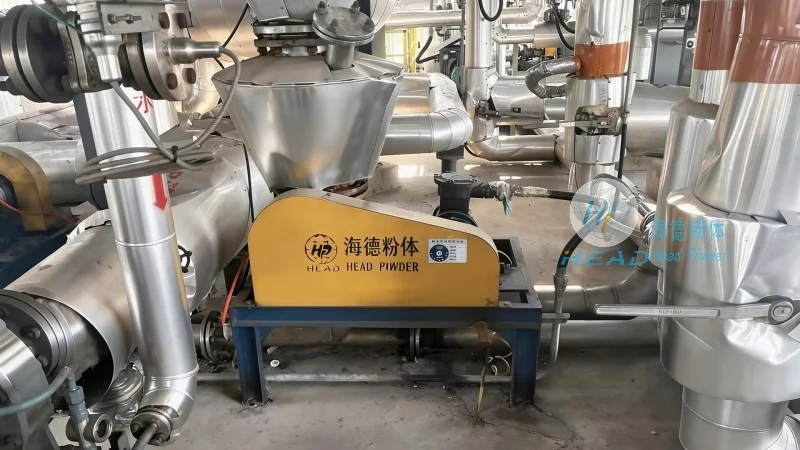
Optimizing BN Conveying Systems: Design Considerations
The success of a pneumatic conveying system for BN depends on careful design and engineering. Several factors must be considered to ensure optimal performance and material integrity. First, the particle size distribution of BN is critical. Coarser particles may require larger duct sizes and higher air velocities to prevent blockages, while finer particles demand more precise air flow control to avoid segregation or loss. Second, air velocity is a key parameter. Excessive velocity can cause particle degradation or erosion of the pipeline, while insufficient velocity may lead to clogging. Engineers at Shandong HeadPowder Engineering Co., Ltd. use advanced computational fluid dynamics (CFD) modeling to simulate air-particle interactions and determine the optimal velocity for a given BN grade. Third, pipeline materials must be selected to withstand the abrasive nature of BN. Stainless steel or specialized alloys are commonly used to prevent wear and maintain material purity. Fourth, system integration is essential. The conveying system must be seamlessly integrated with the production process, including feeding, storage, and discharge mechanisms, to ensure smooth material flow and minimize downtime.
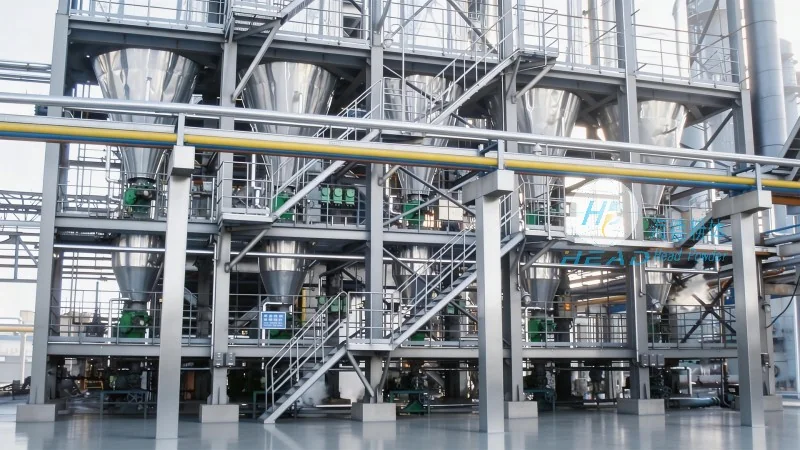
HeadPowder's Expertise in BN Pneumatic Conveying Solutions
Shandong HeadPowder Engineering Co., Ltd., a leading provider of material handling solutions, specializes in designing and implementing pneumatic conveying systems tailored to the unique needs of BN applications. With years of experience in handling high-purity ceramics, the company's engineers have developed a deep understanding of the challenges associated with BN material handling. They work closely with clients to assess their specific requirements, including production volume, material characteristics, and operational constraints, to design a customized system that maximizes efficiency and minimizes costs. HeadPowder's solutions include: 1) Custom-designed hoppers and feeders to ensure consistent material flow and prevent clogging; 2) Advanced control systems that monitor air pressure, flow rate, and material level in real-time, allowing for immediate adjustments to maintain optimal performance; 3) Modular pipeline configurations that can be easily expanded or reconfigured as production needs change; and 4) Comprehensive maintenance and support services to ensure the system operates at peak efficiency over its lifespan.
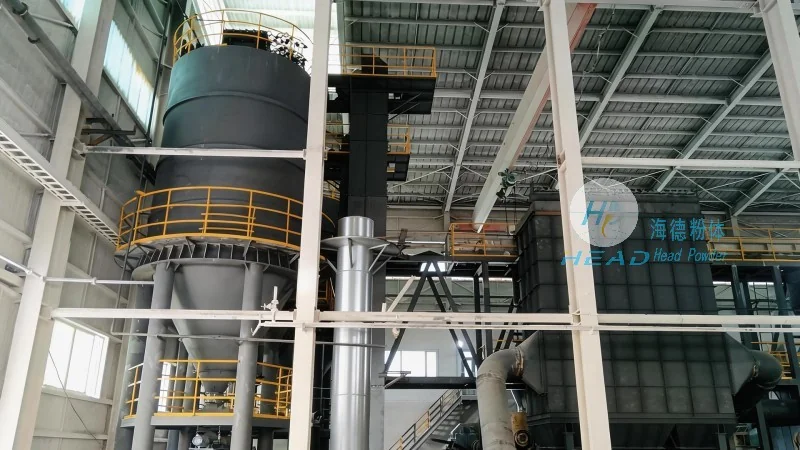
Case Study: Optimizing BN Conveying for a Semiconductor Manufacturer
One of HeadPowder's recent projects involved optimizing a pneumatic conveying system for a leading semiconductor manufacturer. The client required a system to transport high-purity BN powders from storage silos to a production line without compromising material quality or increasing downtime. HeadPowder's engineers conducted a thorough analysis of the existing system, identifying issues such as uneven flow rates and particle segregation. They recommended a combination of pressure conveying with a variable air velocity control system and a specialized stainless steel pipeline with anti-wear coatings. The new system was installed and tested, resulting in a 30% increase in material throughput and a 50% reduction in maintenance costs. The client reported that the BN powders were delivered in pristine condition, meeting the strict purity standards required for semiconductor manufacturing. This case study highlights HeadPowder's ability to deliver measurable results through expert engineering and tailored solutions.
Conclusion: The Role of Pneumatic Conveying in BN Material Handling
Pneumatic conveying technology plays a vital role in the efficient and safe handling of Boron Nitride materials. By leveraging the principles of pressure and vacuum systems, and optimizing design parameters such as air velocity, particle size, and pipeline materials, industries can achieve high-purity material transport with minimal contamination and operational costs. Shandong HeadPowder Engineering Co., Ltd. stands as a trusted partner in this field, offering comprehensive expertise and customized solutions to meet the evolving needs of BN applications. As the demand for high-purity ceramics continues to grow, the importance of reliable material handling systems will only increase, making pneumatic conveying an indispensable technology for the future of BN material processing.