

Application and Optimization of Pneumatic Conveying Technology in Dry Mortar Transport Design
HeadPowder, a leading engineering company based in Shandong, China, specializes in advanced material handling solutions, particularly in the application of pneumatic conveying technology for dry mortar transport systems. This article explores the practical implementation and optimization strategies of pneumatic conveying in dry mortar production and distribution, highlighting the technical advantages and operational efficiencies that this technology offers.
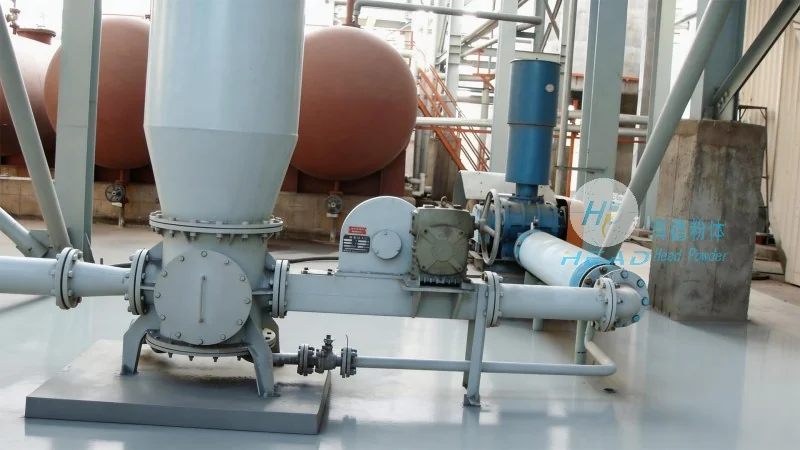
Understanding Pneumatic Conveying in Dry Mortar Transport
Pneumatic conveying is a method of transporting dry powders, such as those used in dry mortar, through a pipeline using air pressure. Unlike traditional mechanical conveying systems, which rely on belts, buckets, or screws, pneumatic systems use compressed air to move materials, offering several key benefits for dry mortar applications. The primary advantages include reduced equipment wear and tear, lower maintenance costs, and the ability to handle a wide range of powder characteristics, from fine to coarse particles. Additionally, pneumatic conveying systems can be designed for both positive and negative pressure operation, providing flexibility in system layout and integration with existing production lines.
Key Applications of Pneumatic Conveying in Dry Mortar Production
HeadPowder's pneumatic conveying solutions are widely used in various stages of dry mortar manufacturing and distribution. In the production phase, these systems efficiently transport raw materials, such as cement, sand, and additives, from storage silos to mixing and blending equipment. The ability to handle bulk materials with minimal dust generation and contamination is critical in maintaining product quality and regulatory compliance. During the mixing process, pneumatic conveying ensures a consistent and homogeneous blend of all components, which is essential for achieving the desired mortar properties, including strength, workability, and durability. Furthermore, in the packaging and distribution stages, pneumatic systems enable seamless transfer of finished dry mortar products from production lines to storage silos or loading vessels, optimizing inventory management and reducing handling time.
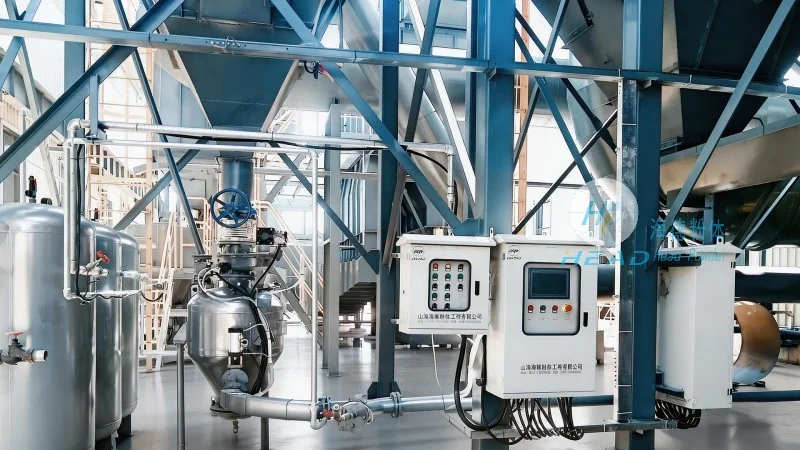
Optimization Strategies for Pneumatic Conveying Systems
Optimizing pneumatic conveying systems for dry mortar applications involves several key considerations to maximize efficiency and reliability. One critical factor is the selection of the appropriate conveying line diameter and air velocity. The line diameter must be sized to accommodate the specific powder characteristics, ensuring that the air-powder mixture flows smoothly without excessive pressure drop or particle segregation. Air velocity is also crucial, as too low a velocity can lead to blockages, while too high a velocity may cause excessive wear on the pipeline and components. HeadPowder employs advanced computational fluid dynamics (CFD) simulations to model and optimize these parameters, ensuring that the system operates at peak performance.
Another important optimization aspect is the design of the system's control and monitoring mechanisms. Modern pneumatic conveying systems utilize intelligent control panels that monitor pressure, flow rate, and temperature in real-time, allowing for immediate adjustments to maintain optimal operation. This proactive monitoring helps prevent system failures and reduces downtime, which is vital for maintaining production schedules and meeting customer demand. Additionally, the integration of dust collection and filtration systems is essential to comply with environmental regulations and ensure workplace safety. HeadPowder's systems incorporate high-efficiency cyclone separators and bag filters, which effectively capture and remove dust particles from the air stream, minimizing emissions and protecting the environment.
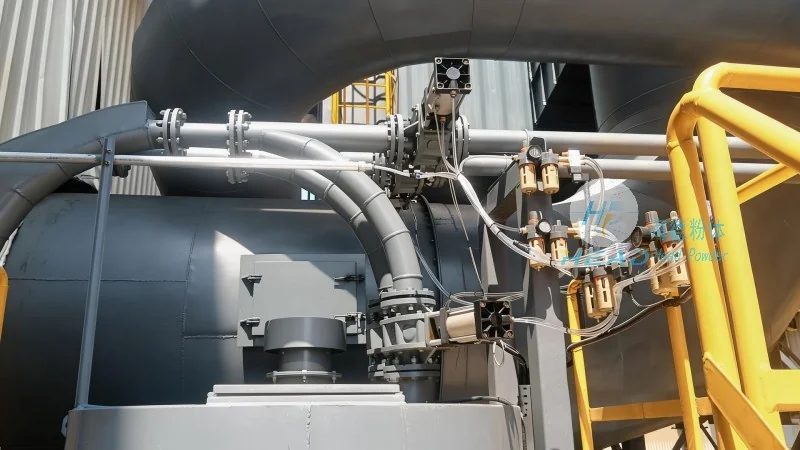
Benefits of Implementing Optimized Pneumatic Conveying Solutions
The implementation of optimized pneumatic conveying systems in dry mortar transport offers numerous benefits for manufacturers. Firstly, the reduced maintenance and operational costs result from the lower wear on components and the elimination of mechanical parts that require regular replacement. This leads to significant cost savings over the system's lifecycle. Secondly, the improved product quality and consistency achieved through efficient blending and transfer processes enhance the overall performance of the dry mortar, leading to higher customer satisfaction and market competitiveness. Thirdly, the flexibility and scalability of pneumatic systems allow manufacturers to adapt to changing production demands and expand their operations without major system overhauls. This adaptability is particularly valuable in the dynamic construction industry, where demand for dry mortar products fluctuates based on market conditions.
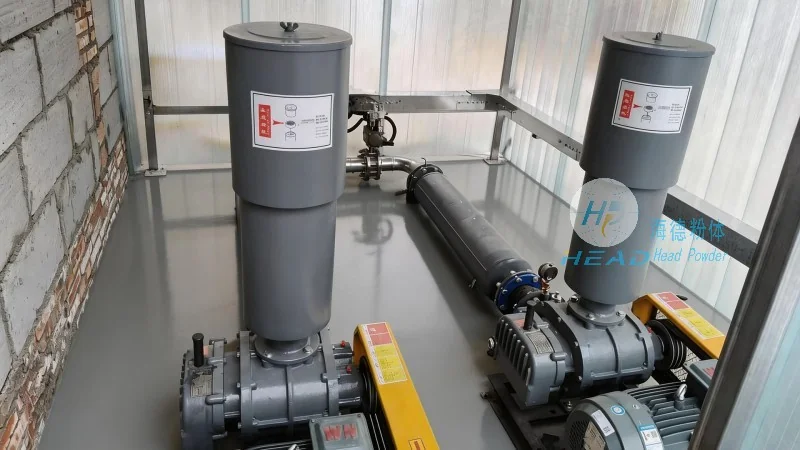
Furthermore, the environmental benefits of pneumatic conveying systems are noteworthy. By minimizing dust emissions and using energy-efficient air compressors, these systems contribute to a greener manufacturing process. This aligns with the growing emphasis on sustainability in the construction sector and helps manufacturers meet environmental standards and corporate social responsibility goals. The reduced need for manual handling of bulk materials also enhances workplace safety, as operators are less exposed to dust and physical strain.
Conclusion
HeadPowder Engineering Co., Ltd., with its headquarters in Shandong, China, provides comprehensive pneumatic conveying solutions tailored to the specific needs of dry mortar manufacturers. By leveraging advanced technology and optimization strategies, these systems enhance operational efficiency, product quality, and environmental compliance. The application of pneumatic conveying technology in dry mortar transport not only addresses current industry challenges but also positions manufacturers for long-term success in a competitive market. As the demand for high-quality dry mortar products continues to grow, the role of optimized material handling systems like those offered by HeadPowder becomes increasingly critical in ensuring sustainable and efficient production processes.