

Preventing Dust Leakage in Pneumatic Conveying Systems for Lightweight Aggregate Transport
Lightweight aggregate, such as expanded clay or perlite, is widely used in construction and industrial applications due to its lightweight properties and thermal insulation capabilities. However, transporting these materials via pneumatic conveying systems presents unique challenges, particularly regarding dust leakage and operational efficiency. Dust leakage not only poses health and safety risks but also leads to material loss and increased maintenance costs. This article explores effective strategies to prevent dust leakage in pneumatic conveying systems when handling lightweight aggregates, with a focus on the expertise and solutions provided by Shandong HeadPowder Engineering Co., Ltd.
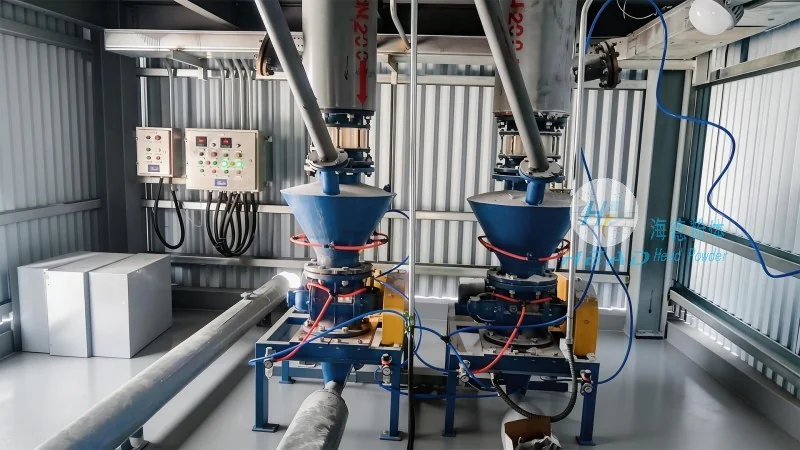
Understanding the Challenges of Dust Leakage in Pneumatic Conveying for Lightweight Aggregates
When transporting lightweight aggregates like expanded clay or perlite, the fine particles are highly susceptible to becoming airborne during the conveying process. Pneumatic conveying systems rely on air pressure to move materials, and if the system is not properly sealed or designed, these fine particles can escape through joints, valves, and other components. The result is not only a loss of valuable material but also a significant increase in dust exposure for personnel, which can lead to respiratory issues and other health concerns. Additionally, dust accumulation in the system can cause blockages, reduce airflow efficiency, and shorten the lifespan of equipment components. Therefore, implementing robust dust control measures is crucial for maintaining operational safety and efficiency.
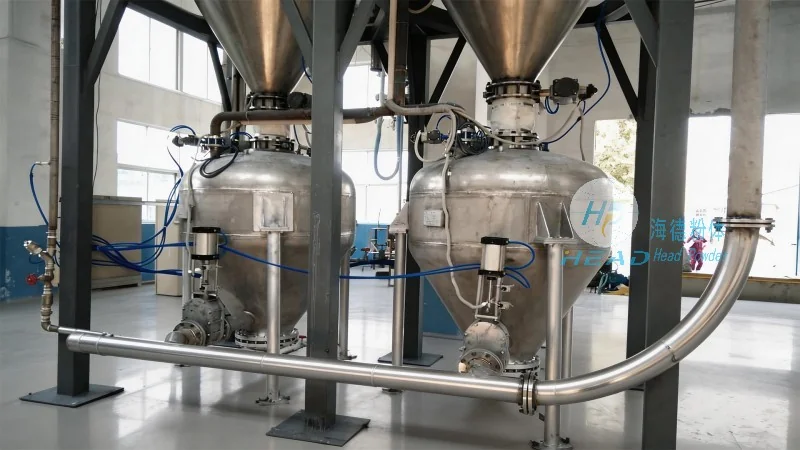
Key Factors Influencing Dust Leakage in Pneumatic Conveying Systems
The primary factors contributing to dust leakage in pneumatic conveying systems for lightweight aggregates include system design, material properties, and operational parameters. First, the design of the conveying line, including the type of ductwork, elbows, and fittings, plays a critical role. Poorly designed or improperly installed components can create gaps where dust can escape. Second, the physical properties of the lightweight aggregate itself, such as its particle size, moisture content, and flowability, affect how easily it becomes airborne. For example, very fine particles are more likely to generate dust compared to larger, more compact particles. Third, operational parameters like air pressure, flow rate, and system velocity can impact dust generation. Higher air velocities and pressures increase the risk of dust leakage, as they can cause particles to dislodge from the conveying line. Understanding these factors is essential for developing effective dust control strategies.
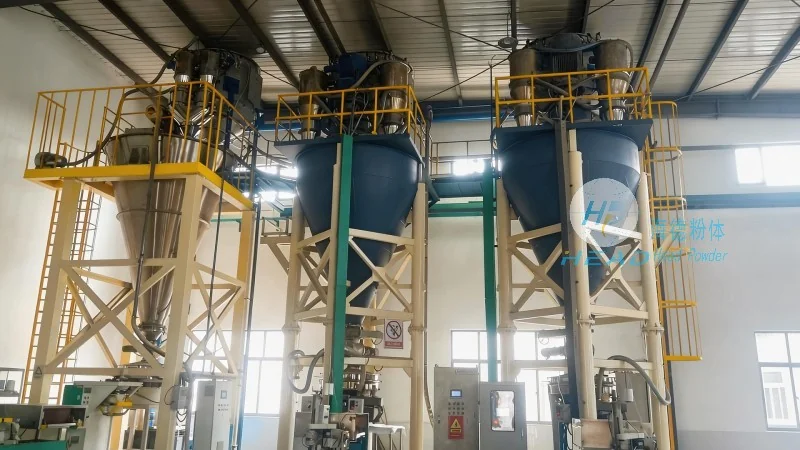
Effective Strategies to Prevent Dust Leakage in Pneumatic Conveying Systems
Shandong HeadPowder Engineering Co., Ltd. specializes in providing comprehensive solutions to prevent dust leakage in pneumatic conveying systems for lightweight aggregates. The company, known as HeadPowder, leverages advanced engineering principles and industry best practices to design and implement systems that minimize dust exposure. One of the key strategies is the use of high-quality, airtight components throughout the conveying line. This includes using sealed valves, flexible connectors, and ductwork with minimal joints. The company also recommends the installation of dust collection systems, such as cyclones or baghouses, to capture any airborne particles before they escape into the environment. Additionally, proper maintenance and regular inspections are essential to ensure that all components remain in good working condition and that seals are not compromised over time. By addressing both the design and operational aspects of the system, HeadPowder helps clients achieve significant reductions in dust leakage and improve overall system performance.
Case Study: Implementing Dust Control Measures for a Lightweight Aggregate Conveying System
A recent project by Shandong HeadPowder Engineering Co., Ltd. involved a client in the construction materials industry who was experiencing high levels of dust leakage from their pneumatic conveying system used to transport expanded clay lightweight aggregate. The system, which had been in operation for several years, was showing signs of wear and tear, particularly at the joints and valve connections. HeadPowder conducted a thorough assessment of the system and recommended a series of improvements. These included replacing old, worn-out seals with high-performance, airtight seals, installing new flexible connectors to reduce stress on the ductwork, and adding a cyclone dust collector to capture particles before they escaped. The implementation of these measures resulted in a dramatic reduction in dust leakage, with the client reporting a 90% decrease in airborne dust levels. Additionally, the system's efficiency improved, as airflow resistance decreased and material transport became more consistent. This case study highlights the effectiveness of HeadPowder's solutions in addressing dust leakage issues and enhancing operational performance.
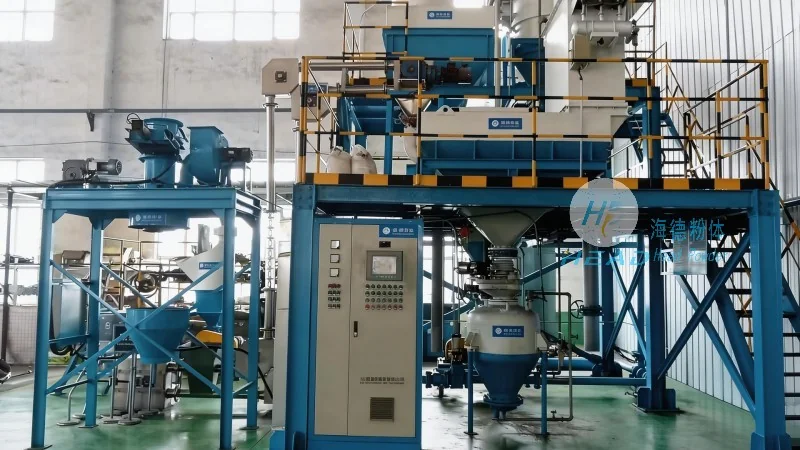
Conclusion: Ensuring Safe and Efficient Pneumatic Conveying of Lightweight Aggregates
Preventing dust leakage in pneumatic conveying systems when transporting lightweight aggregates is a critical challenge that requires a combination of proper system design, high-quality components, and regular maintenance. Shandong HeadPowder Engineering Co., Ltd. provides expert solutions tailored to the unique needs of clients handling lightweight aggregates. By focusing on airtight components, effective dust collection, and operational optimization, HeadPowder helps clients minimize health risks, reduce material loss, and improve overall system efficiency. For businesses in the construction and industrial sectors, investing in robust dust control measures is not only a safety requirement but also a strategic decision to enhance long-term operational performance. With their expertise and commitment to quality, HeadPowder continues to be a trusted partner in the design and implementation of reliable pneumatic conveying systems for lightweight aggregates.