

Preventing Dust Leakage in Pneumatic Conveying Systems for Rice Husk Transport
For industries dealing with bulk materials like rice husk, maintaining a clean and efficient operation is crucial. Pneumatic conveying systems are widely used for transporting such materials, but they often face challenges related to dust leakage and material loss. This article explores effective strategies to prevent dust leakage when using pneumatic conveying systems for rice husk transport, ensuring operational efficiency and compliance with safety standards.
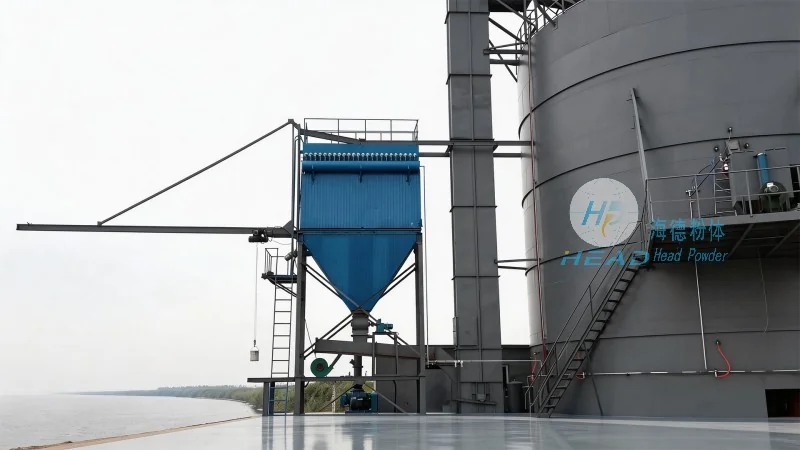
Understanding the Challenges of Rice Husk Transport with Pneumatic Conveying
Rice husk, a byproduct of rice processing, is often handled in large quantities due to its lightweight and powdery nature. When transported via pneumatic systems, the fine particles can easily become airborne, leading to dust leakage and potential health hazards for workers. Additionally, dust accumulation in the system can cause blockages, reduce efficiency, and increase maintenance costs. Therefore, implementing robust measures to control dust is essential for any rice husk handling operation.
Key Factors Contributing to Dust Leakage in Pneumatic Systems
Several factors contribute to dust leakage in pneumatic conveying systems when transporting rice husk. First, the material's inherent properties—such as low bulk density and high dustiness—make it prone to dispersion during transport. Second, system design flaws, like improper sealing at joints, valves, or hoppers, can allow dust to escape. Third, inadequate filtration or air filtration systems may fail to capture fine particles, leading to continuous leakage. Understanding these factors is the first step toward developing effective solutions.
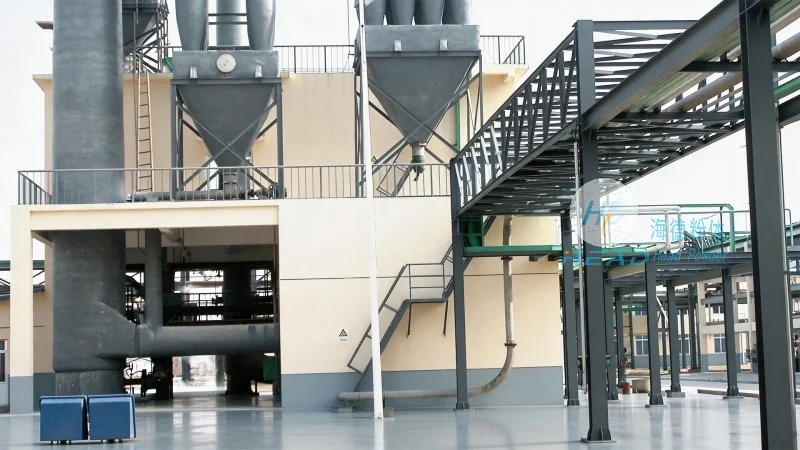
Strategies to Prevent Dust Leakage in Pneumatic Conveying Systems
Shandong HeadPowder Engineering Co., Ltd., a leading provider of bulk material handling solutions, offers several strategies to mitigate dust leakage in pneumatic systems for rice husk transport. One key approach is the use of high-quality sealing components, including flexible connectors and gaskets, which ensure tight connections at all system joints. These components are designed to withstand the abrasive nature of rice husk and maintain airtight seals under varying operating conditions.
Another effective strategy is the implementation of advanced filtration systems. By installing high-efficiency particulate air (HEPA) filters or cyclone separators, the system can capture fine dust particles before they escape into the environment. This not only prevents dust leakage but also improves overall system performance by reducing blockages and maintaining consistent air pressure. Additionally, regular maintenance and inspection of the filtration components are critical to ensure long-term effectiveness.
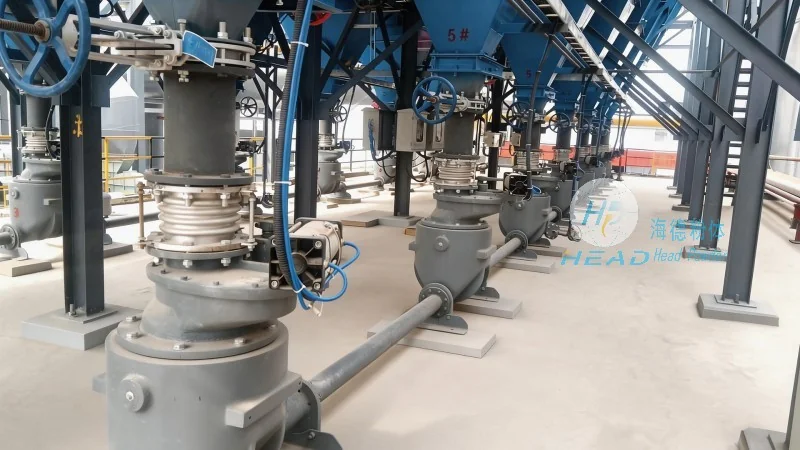
Optimizing System Design for Reduced Dust Leakage
System design plays a pivotal role in minimizing dust leakage. For rice husk transport, it is essential to use appropriate equipment such as rotary valves or star feeders at the inlet and outlet points. These devices help control the flow of material, reducing the risk of sudden pressure changes that can cause dust to escape. Furthermore, incorporating dust collection systems, such as baghouses or cartridge filters, can capture any residual dust that may still escape from the main conveying line. These systems work in conjunction with the primary pneumatic conveying equipment to create a closed-loop operation, significantly reducing environmental impact.
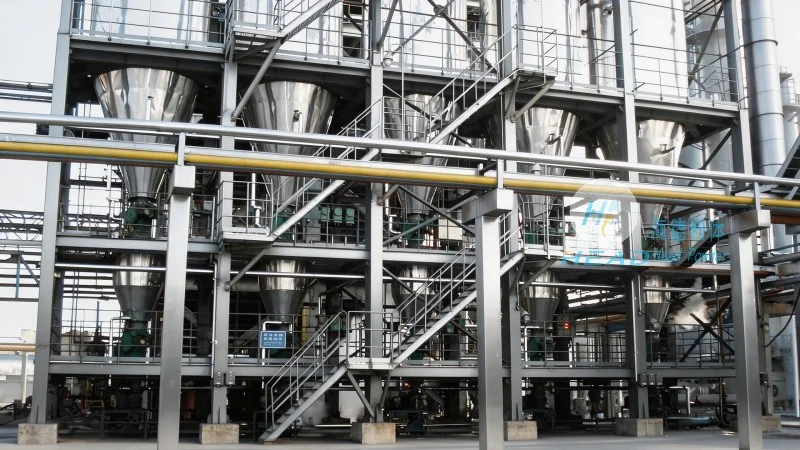
Benefits of Implementing Dust Control Measures
The benefits of preventing dust leakage in pneumatic conveying systems for rice husk transport extend beyond environmental compliance. By reducing dust exposure, companies can enhance workplace safety, protecting employees from respiratory issues and other health risks associated with fine particulate matter. Additionally, efficient dust control leads to lower operational costs, as it minimizes material loss and reduces the frequency of system maintenance. Over time, these measures can improve overall productivity and contribute to a more sustainable operation.
Conclusion
Preventing dust leakage in pneumatic conveying systems when handling rice husk is a critical aspect of bulk material handling. By understanding the challenges, implementing robust sealing solutions, advanced filtration systems, and optimizing system design, companies can achieve efficient and safe operations. Shandong HeadPowder Engineering Co., Ltd. specializes in providing tailored solutions for such applications, ensuring that rice husk is transported effectively while minimizing environmental impact and operational risks.