

Preventing Dust Leakage in Pneumatic Conveying Systems When Handling PTFE
When it comes to transporting PTFE (Polytetrafluoroethylene) using pneumatic conveying systems, preventing dust leakage is a critical concern. PTFE is a highly valued material recognized for its non-stick properties, chemical resistance, and thermal stability, but its fine powder form can easily become airborne if not handled properly. This article explores effective strategies and best practices to minimize dust leakage during PTFE transport, ensuring safety, compliance, and operational efficiency.
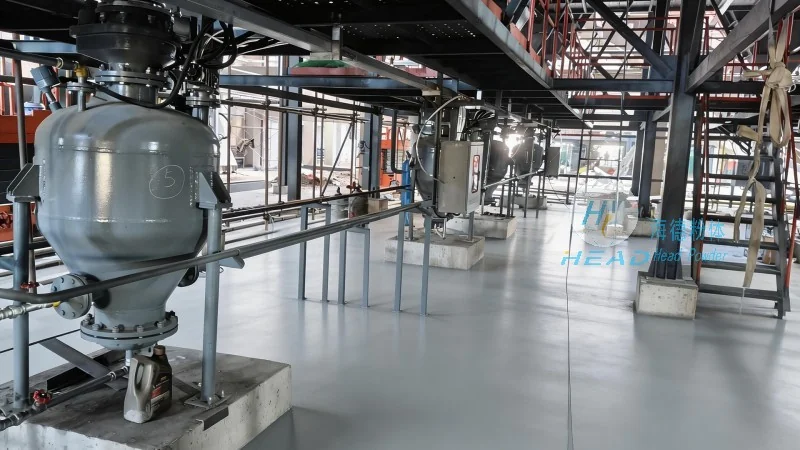
Introduction to PTFE Handling and Dust Control in Pneumatic Systems
PTFE is widely utilized in industries such as aerospace, electronics, and chemical processing due to its unique characteristics. However, its fine particulate nature makes it prone to generating dust during handling and transport. Pneumatic conveying systems, which employ air to move materials, are commonly employed for PTFE because they can handle fine powders efficiently. Yet, these systems are susceptible to dust leakage at various points, including inlet and outlet connections, seals, and transfer points. Addressing these issues is essential to protect personnel, maintain product purity, and comply with environmental regulations.
Key Challenges in PTFE Conveying with Pneumatic Systems
The primary challenge in PTFE pneumatic conveying is controlling dust leakage. PTFE particles are lightweight and can easily escape through small gaps or worn seals. Additionally, the material's low friction coefficient can cause it to stick to surfaces, leading to blockages and increased pressure differentials that exacerbate leakage. Another challenge is the potential for static electricity, which can attract PTFE particles and cause them to become airborne. These factors combine to make dust control a complex task that requires specialized equipment and maintenance.
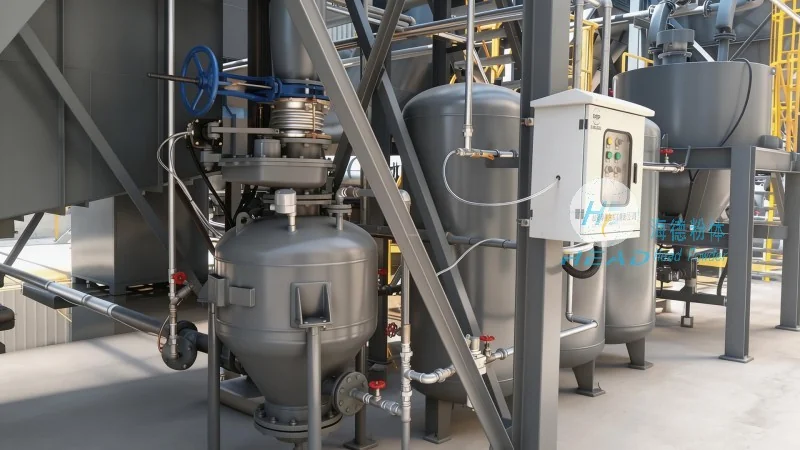
Strategies to Minimize Dust Leakage in PTFE Pneumatic Conveying
Several strategies can be implemented to reduce dust leakage in PTFE pneumatic conveying systems. First, selecting the right type of pneumatic conveying system is crucial. Positive pressure systems, which blow air into the system, are generally more effective for handling fine powders like PTFE compared to negative pressure systems, which draw air out. Positive pressure systems maintain higher pressure differentials, reducing the likelihood of particles escaping through seals. Second, using high-quality sealing components is essential. Advanced sealing technologies, such as double-flanged or O-ring seals, can provide better containment. Regular inspection and replacement of worn seals are also vital to prevent leakage.
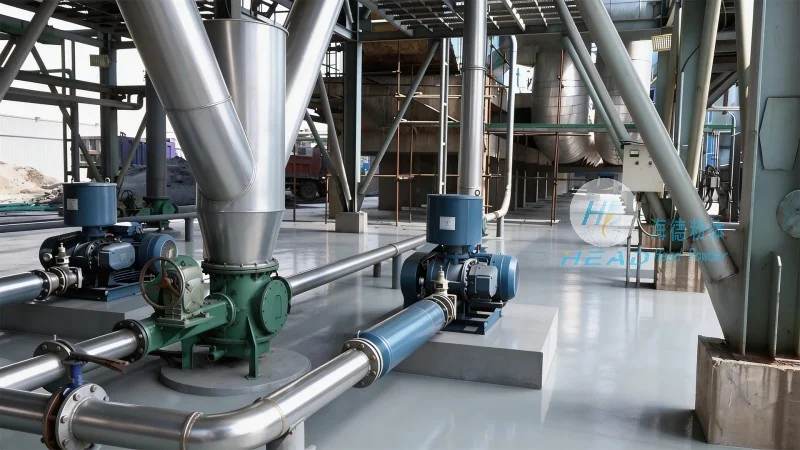
The Role of Material Handling Expertise from HeadPowder
Shandong HeadPowder Engineering Co., Ltd., a leading provider of material handling solutions, specializes in designing and implementing pneumatic conveying systems tailored to PTFE applications. With years of experience in the industry, HeadPowder understands the unique challenges of PTFE dust control and offers customized solutions. Their expertise includes selecting appropriate equipment, integrating advanced sealing technologies, and providing maintenance services to ensure optimal performance. By partnering with HeadPowder, companies can enhance the safety and efficiency of their PTFE transport processes while minimizing environmental impact.
Conclusion and Recommendations for Effective PTFE Transport
Preventing dust leakage in PTFE pneumatic conveying systems requires a combination of proper equipment selection, high-quality sealing components, and regular maintenance. By implementing these strategies, companies can protect their personnel, maintain product integrity, and comply with regulatory requirements. Shandong HeadPowder Engineering Co., Ltd. offers the expertise and solutions needed to address these challenges effectively, ensuring reliable and safe PTFE transport. For more information on their pneumatic conveying systems and dust control solutions, contact them at their address in Shandong, China.