

Preventing Dust Leakage in Pneumatic Conveying Systems for Sodium Dithionite
When handling sodium dithionite, a critical chemical often used in industrial processes, the selection of an appropriate material handling system is paramount. Pneumatic conveying systems offer an efficient and effective solution for transporting this material, but they also present unique challenges, particularly regarding dust leakage. This article explores the key strategies and considerations for preventing dust leakage in pneumatic conveying systems specifically designed for sodium dithionite, ensuring safe and efficient operations.
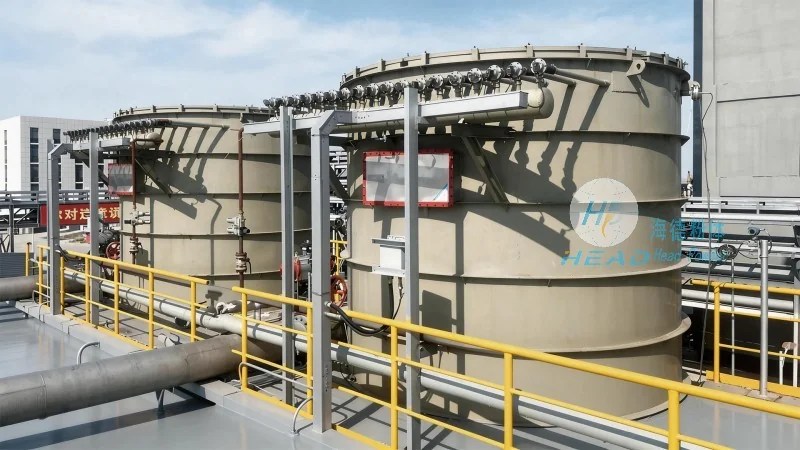
About Shandong HeadPowder Engineering Co., Ltd.
As a leading provider in the field of chemical processing equipment, Shandong HeadPowder Engineering Co., Ltd. specializes in the design, manufacturing, and installation of advanced material handling solutions. With a focus on safety, efficiency, and reliability, the company has established itself as a trusted partner for industries requiring robust systems for handling sensitive chemicals like sodium dithionite. HeadPowder's expertise lies in understanding the specific properties of materials such as sodium dithionite and tailoring pneumatic conveying systems to meet these demands, ensuring optimal performance and minimal environmental impact.
Understanding Sodium Dithionite and Its Handling Challenges
Sodium dithionite, also known as sodium hydrosulfite, is a white crystalline powder widely used in various industrial applications, including textile processing, food preservation, and chemical synthesis. Its hygroscopic nature and fine particle size make it prone to dust generation during handling and transportation. When using pneumatic conveying systems, the risk of dust leakage increases due to the high velocity of air and the abrasive properties of the material. Effective dust control measures are therefore essential to prevent contamination, ensure worker safety, and maintain system efficiency.
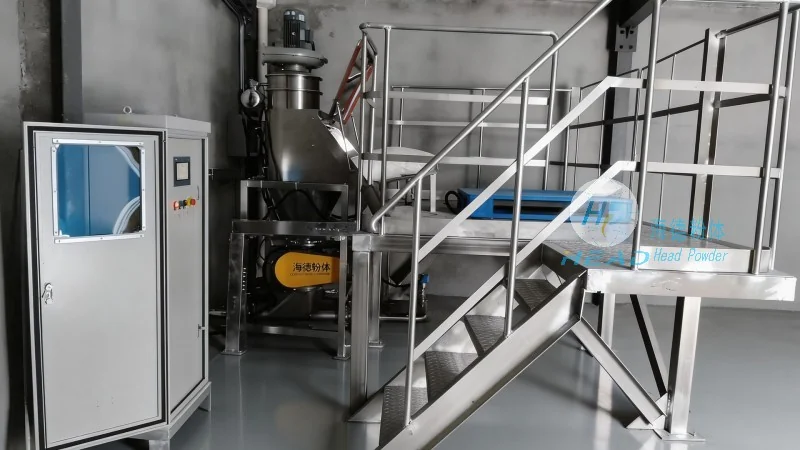
Key Design Considerations for Pneumatic Conveying Systems in Sodium Dithionite Transport
Designing a pneumatic conveying system for sodium dithionite requires careful attention to several critical factors. First, the system must be constructed from materials that are resistant to corrosion and chemical attack, as sodium dithionite can be aggressive to certain metals. Stainless steel is often the preferred material for the conveying lines, ducts, and hoppers due to its durability and resistance to corrosion. Additionally, the system should incorporate appropriate sealing mechanisms to prevent air and dust from escaping. This includes using high-quality gaskets, seals, and valve designs that maintain a tight seal under varying pressure conditions. The choice of conveying method—such as dilute phase or dense phase—also plays a role in minimizing dust leakage. Dilute phase systems, which use high air velocities to transport material, may generate more dust, while dense phase systems, which use lower air velocities and higher material concentrations, can reduce dust generation but may require more complex equipment.
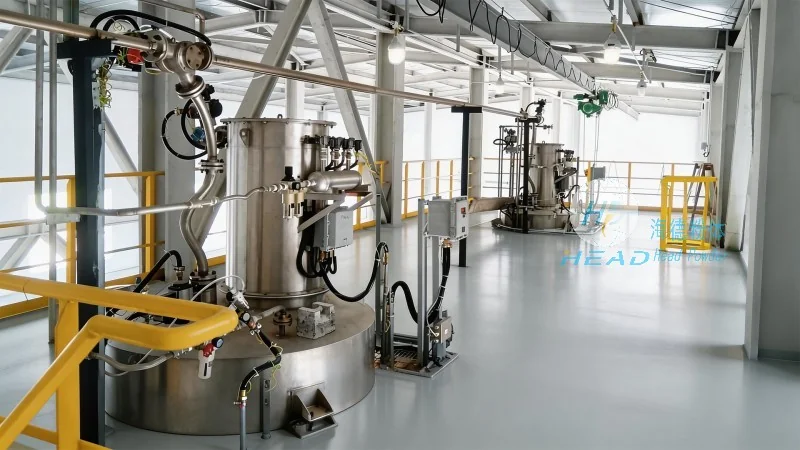
Preventing Dust Leakage Through System Sealing and Maintenance
Preventing dust leakage in pneumatic conveying systems for sodium dithionite involves a combination of proper design and regular maintenance. Sealing components, such as rotary valves, airlocks, and check valves, must be regularly inspected and replaced to ensure they remain effective. These components are critical in preventing air and material from escaping the system. Additionally, the use of dust collection systems, such as cyclones or baghouses, can help capture any airborne particles, reducing the risk of environmental contamination and improving overall system performance. Regular cleaning of the system, including the removal of accumulated material from hoppers and ducts, is also essential to maintain optimal airflow and prevent blockages that could lead to increased pressure differentials and subsequent dust leakage.
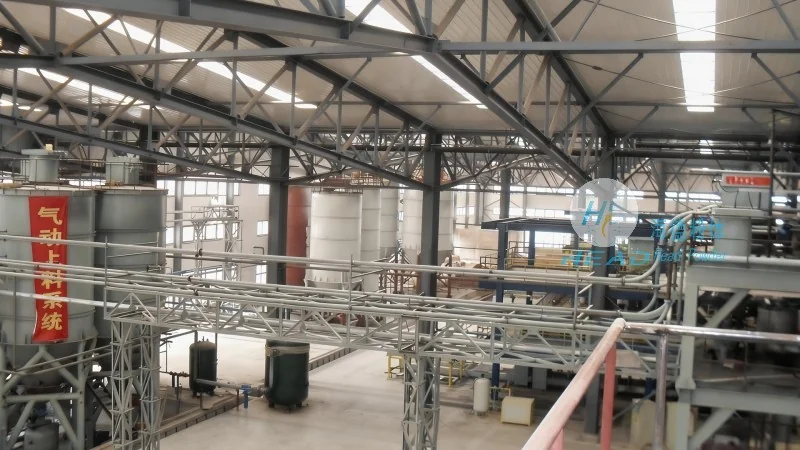
Ensuring Worker Safety and Environmental Compliance
When operating pneumatic conveying systems for sodium dithionite, worker safety and environmental compliance are top priorities. Dust leakage not only poses health risks to workers but also can lead to environmental violations. Therefore, implementing robust dust control measures is not only a best practice but often a regulatory requirement. Shandong HeadPowder Engineering Co., Ltd. adheres to strict safety and environmental standards, ensuring that their systems are designed and installed to minimize dust emissions. This includes using enclosed systems, proper ventilation, and regular monitoring of dust levels. By prioritizing safety and compliance, HeadPowder helps its clients maintain a safe working environment while meeting all environmental regulations.
Conclusion: The Role of Advanced Pneumatic Conveying Systems in Safe Sodium Dithionite Handling
Preventing dust leakage in pneumatic conveying systems for sodium dithionite is a multifaceted challenge that requires a combination of advanced design, proper materials, and diligent maintenance. Shandong HeadPowder Engineering Co., Ltd. provides comprehensive solutions tailored to the unique needs of industries handling sodium dithionite, ensuring efficient and safe material transport. By focusing on system sealing, material compatibility, and regular maintenance, companies can minimize the risk of dust leakage, protect their workers, and comply with environmental regulations. With their expertise and commitment to quality, HeadPowder continues to be a leader in providing reliable pneumatic conveying systems for sensitive chemical handling, helping industries achieve optimal performance and safety in their operations.