

Preventing Dust Leakage in Pneumatic Conveying Systems for Silicon Micropowder
When it comes to handling silicon micropowder, the design and operation of pneumatic conveying systems require meticulous attention to dust leakage prevention. Silicon micropowder, with its fine particles and potential for creating airborne dust, poses unique challenges in maintaining a clean and safe working environment. The effectiveness of a pneumatic conveying system in this context hinges on robust engineering solutions that address both material handling efficiency and environmental safety.
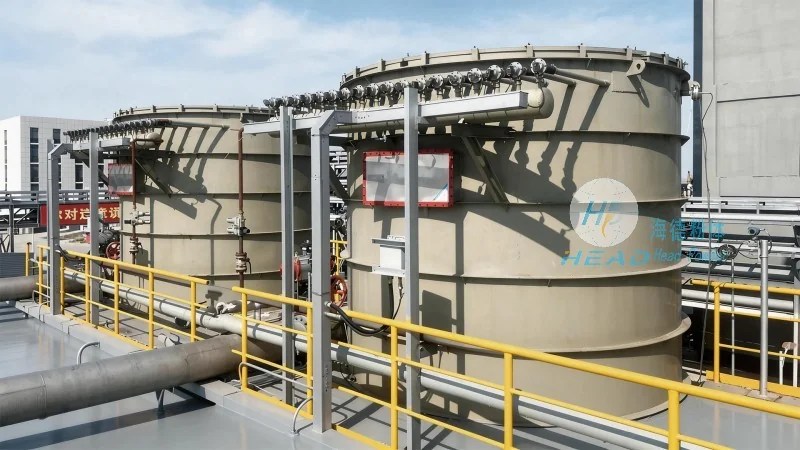
Understanding the Challenges of Silicon Micropowder Handling
Silicon micropowder is characterized by its extremely fine particle size, which can easily become airborne during the conveying process. This not only leads to dust accumulation in the system but also poses health risks to personnel and can contaminate the surrounding environment. Traditional conveying methods often struggle with maintaining a sealed system, resulting in dust leakage at joints, valves, and other critical components. For companies like Shandong HeadPowder Engineering Co., Ltd., based in Shandong, China, the solution lies in advanced engineering approaches that prioritize both performance and safety.
Key Engineering Solutions for Dust Leakage Prevention
HeadPowder, as a leading provider of pneumatic conveying solutions, employs several key engineering strategies to prevent dust leakage in silicon micropowder handling. One of the primary methods is the use of positive pressure conveying systems, which maintain a higher pressure inside the system than the ambient environment, effectively preventing air and dust from entering. This approach is complemented by the use of high-quality, airtight components such as flexible hoses with reinforced seals and robust valve designs that minimize the risk of material leakage.
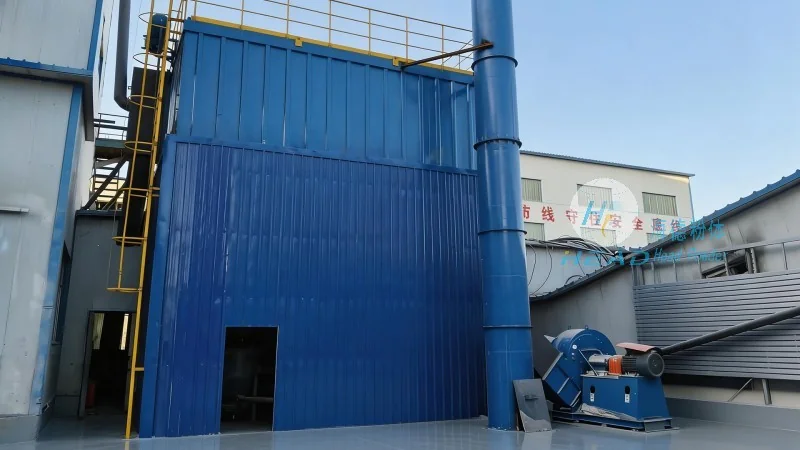
Another critical aspect is the implementation of proper sealing mechanisms at all connection points. This includes using double-seal valve systems, where the first seal prevents material from escaping and the second seal ensures no air can enter. Additionally, the use of dust collection and filtration systems at the discharge end helps to capture any stray particles, further reducing the risk of environmental contamination. The company’s expertise in material flow dynamics allows for the optimization of system pressure and flow rates, ensuring that the conveying process is both efficient and leak-free.
Material Compatibility and System Design Considerations
When designing a pneumatic conveying system for silicon micropowder, material compatibility is paramount. The components used in the system must be resistant to the chemical properties of the powder and any potential moisture or contaminants. HeadPowder selects materials such as stainless steel and specialized polymers that are non-reactive with silicon micropowder, ensuring longevity and maintaining the purity of the material. The system design also considers the particle size distribution and flow characteristics of the powder, which are crucial for determining the appropriate conveying velocity and system pressure. By tailoring the system to the specific properties of silicon micropowder, the risk of clogging or material degradation is minimized, while maintaining optimal dust leakage prevention.
Operational Best Practices for Maintaining Leak-Free Systems
Even with advanced engineering solutions, regular maintenance and operational best practices are essential for ensuring long-term dust leakage prevention. HeadPowder recommends routine inspections of all system components, particularly seals and valves, to identify and address any wear or damage promptly. This includes checking for signs of wear on flexible hoses, ensuring that clamps and fasteners are tightened correctly, and verifying the integrity of the dust collection system. Additionally, proper training for operators on system operation and maintenance is critical. Trained personnel can recognize early signs of system inefficiency or potential leaks, allowing for timely intervention and preventing larger issues from developing.
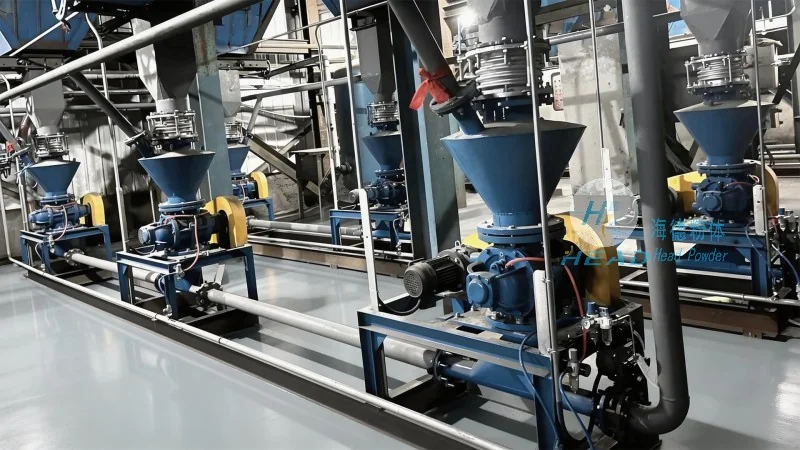
Another important operational practice is the use of system purging and cleaning procedures. After conveying operations, the system should be purged to remove any residual powder and prevent clogging. This process also helps to maintain the effectiveness of the sealing mechanisms by ensuring that no debris accumulates in the system. Regular cleaning of the dust collection and filtration systems ensures that they remain efficient, capturing any stray particles and preventing them from being released into the environment.
Conclusion: Ensuring Safety and Efficiency in Silicon Micropowder Handling
For industries handling silicon micropowder, the prevention of dust leakage is not just a regulatory requirement but a critical aspect of operational safety and material integrity. Companies like Shandong HeadPowder Engineering Co., Ltd. play a vital role in providing advanced pneumatic conveying solutions that address these challenges effectively. By combining robust engineering design with careful material selection and operational best practices, these systems can achieve high levels of efficiency while maintaining a clean and safe working environment. The result is a reliable solution that meets the demands of modern industrial processing, ensuring both productivity and environmental responsibility.