

Main Structures of Stone Powder Pneumatic Conveying Systems
Stone powder pneumatic conveying systems are integral to modern industrial processes, enabling the efficient and reliable transport of fine powders like stone powder. These systems utilize air as the primary conveying medium, eliminating the need for mechanical components such as belts or buckets. The core of a successful pneumatic conveying system lies in its structural design, which ensures optimal performance under diverse operational conditions. By understanding the key structures involved, users can better appreciate how these systems function and how to select or maintain them effectively.
About Shandong HeadPowder Engineering Co., Ltd.
HeadPowder, a leading manufacturer of pneumatic conveying equipment, specializes in providing tailored solutions for material handling challenges. With a strong presence in the industry, the company leverages advanced engineering and manufacturing capabilities to deliver high-quality systems. HeadPowder's headquarters is situated in Shandong, China, where the company's team of experts develops and produces equipment that meets international standards. The company's commitment to innovation and customer satisfaction has made it a trusted partner for businesses across various sectors, including mining, construction, and chemical industries.
Key Structural Components of Pneumatic Conveying Systems
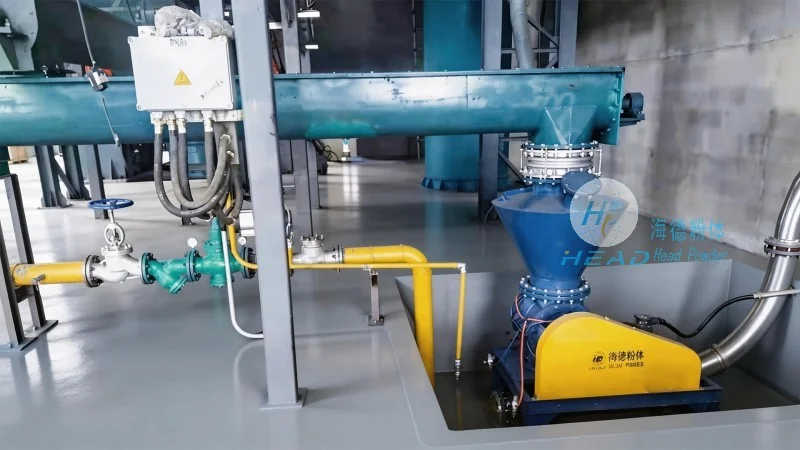
The main structures of stone powder pneumatic conveying systems typically consist of several critical components that work in harmony to achieve efficient material transport. The first component is the feeding unit, which is responsible for introducing the stone powder into the system. This unit ensures a consistent and controlled flow of material, preventing blockages and maintaining system efficiency. The feeding unit often incorporates a hopper or a rotary valve to regulate the material input, allowing for precise control over the quantity of powder entering the conveying line.
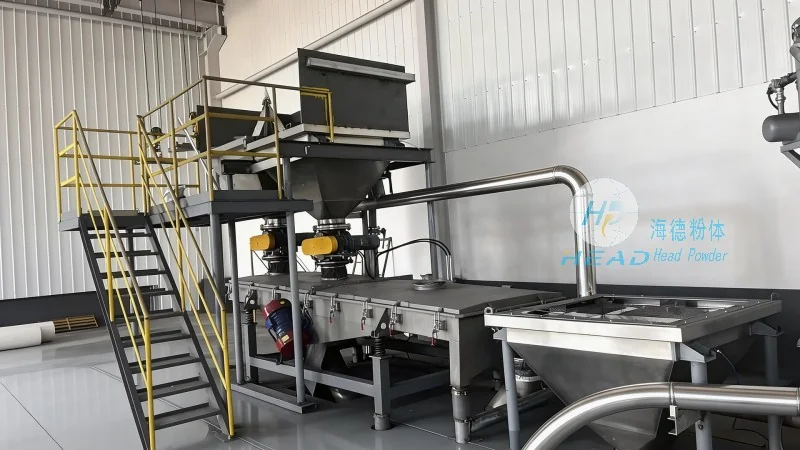
Another essential structure is the conveying line, which serves as the main channel for transporting the stone powder. The line is typically constructed from materials like stainless steel or high-density plastic, chosen for their durability and resistance to corrosion and wear from the abrasive stone powder. The design of the conveying line is critical to minimize pressure loss and maintain the integrity of the powder, as excessive pressure drop can lead to material degradation or system inefficiency. The line may include bends or elbows to change the direction of the material flow, and these are carefully engineered to reduce turbulence and maintain smooth flow.
The separation unit is a vital structure that separates the conveyed stone powder from the air stream. This component is usually a cyclone separator or a bag filter, which employs centrifugal force or filtration to separate the powder from the air. The separated powder is collected in a hopper or storage bin, while the air is either recirculated back into the system or discharged to the atmosphere. The efficiency of the separation unit directly impacts the recovery rate of the material and the cleanliness of the air, making it a critical factor in the overall performance of the system.
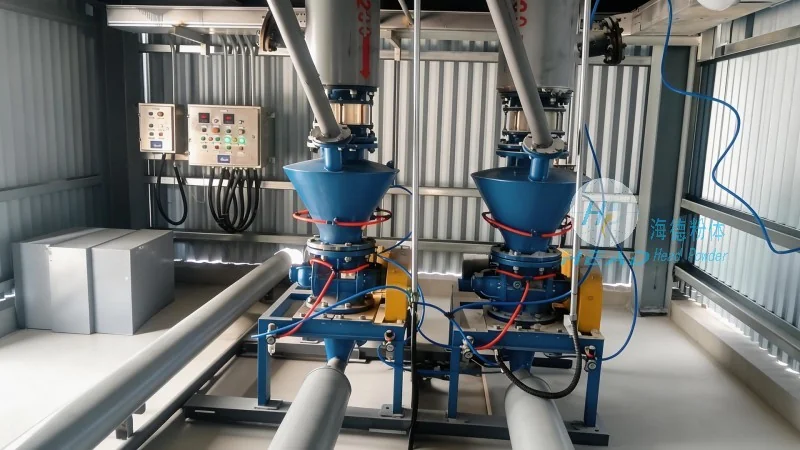
The control system is another key structural element that monitors and regulates various parameters of the pneumatic conveying process. This system includes sensors, valves, and a control panel to provide real-time monitoring of pressure, flow rate, and temperature. The control system ensures that the system operates within safe and efficient limits, preventing overloading or underloading of the conveying line. It allows for adjustments to be made quickly in response to changes in material flow or system conditions, maintaining the stability and reliability of the operation.
Design Considerations for Stone Powder Pneumatic Conveying Structures
When designing stone powder pneumatic conveying structures, several factors must be carefully considered to ensure optimal performance and longevity. The first is the material properties of the stone powder, including its particle size distribution, density, and moisture content. These properties influence the flow characteristics of the powder and the pressure drop across the conveying line. The design must account for these characteristics to prevent issues such as blockages or uneven flow. Another critical factor is the required conveying distance and the desired flow rate, as these determine the size and capacity of the system components.
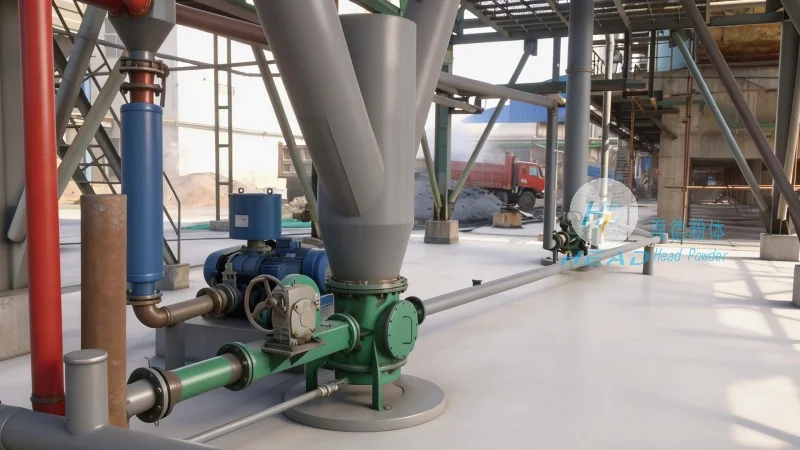
The choice of materials for the structural components is also paramount. The conveying line and other parts must be resistant to corrosion and wear, as the stone powder can be abrasive and may contain corrosive substances. Stainless steel is commonly used for the conveying line and associated components due to its durability and resistance to both corrosion and wear. Additionally, the materials must be compatible with the air and the powder to avoid contamination or degradation of the material. The design must also consider the available space and the layout of the facility, ensuring that the system can be installed and operated without interfering with other equipment or structural elements.
System integration and maintenance considerations are also important. The design should allow for easy access to components for maintenance and cleaning, reducing downtime and operational costs. The control system should be user-friendly and provide clear indicators of system status, enabling operators to quickly identify and address any issues. Furthermore, the system should be designed with safety in mind, incorporating features such as pressure relief valves and emergency shut-off mechanisms to prevent accidents and ensure the safety of personnel.