

Introduction to Vinyl Ester Resin Pneumatic Conveying and the Working Principle of Pneumatic Conveyi
At Shandong HeadPowder Engineering Co., Ltd., we specialize in providing advanced solutions for the efficient handling of vinyl ester resin through pneumatic conveying systems. This technology is crucial for industries that require precise and reliable material transport, ensuring optimal performance and safety in various applications. Our expertise in engineering and material science allows us to design and implement systems that meet the unique demands of each client, whether for small-scale or large-scale operations.
The Working Principle of Pneumatic Conveying Systems
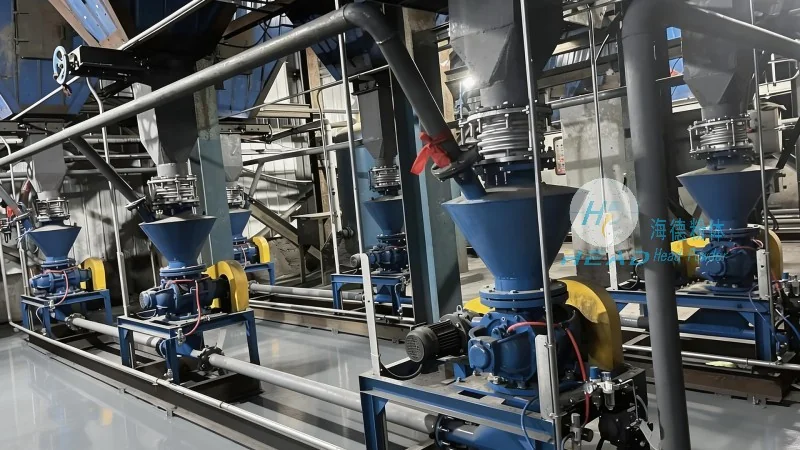
Pneumatic conveying systems utilize air or gas to transport bulk materials, such as vinyl ester resin, from one location to another. The process typically involves a combination of positive and negative pressure to move the material through a pipeline. The system consists of key components like a hopper, a rotary valve, a conveyor line, and a receiver, all working in tandem to ensure smooth and continuous material flow. Positive pressure systems push the material forward using compressed air, while negative pressure systems create a vacuum to draw the material through the line. Each method has its advantages, depending on the material properties and system requirements.
Key Components and Their Functions
The hopper serves as the storage container for the vinyl ester resin, allowing for controlled feeding into the system. It is designed to minimize material degradation and ensure consistent flow rates. The rotary valve acts as a gate, regulating the flow of material into the conveyor line, preventing backflow and ensuring consistent delivery. This component is critical for maintaining system efficiency and preventing material buildup. The conveyor line, often made of durable materials like stainless steel or specialized polymers, transports the material under pressure. Its design considers factors such as material abrasiveness and temperature resistance to ensure long-term performance. The receiver collects the material at the destination, completing the transport cycle. It is equipped with filters and dust collection systems to maintain air quality and prevent contamination.
Benefits of Using Vinyl Ester Resin Pneumatic Conveying
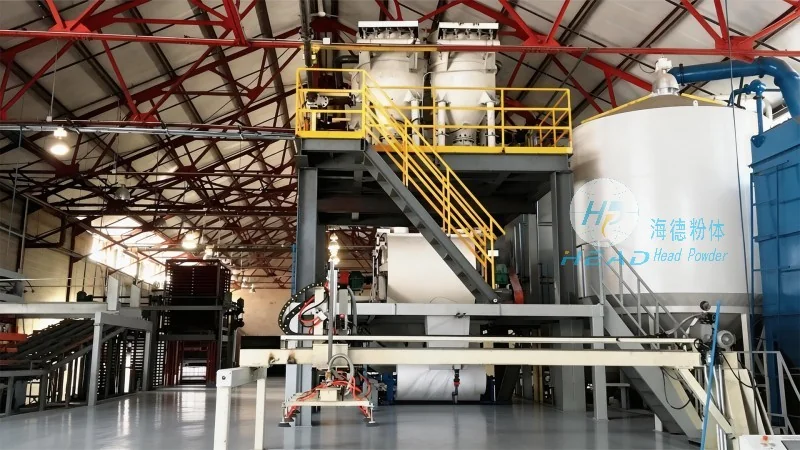
Implementing a pneumatic conveying system for vinyl ester resin offers several advantages. It enhances operational efficiency by reducing downtime and labor costs associated with manual handling. The system also minimizes material contamination and exposure to environmental factors, maintaining product quality. Additionally, it provides a safe and enclosed transport method, reducing the risk of dust explosions and improving workplace safety. The enclosed system prevents dust from spreading, which is particularly important for vinyl ester resin, as it can be hazardous if inhaled. Furthermore, the system allows for precise control over material flow rates, ensuring that production processes are not interrupted by material shortages or excess.
Applications in Industrial Settings
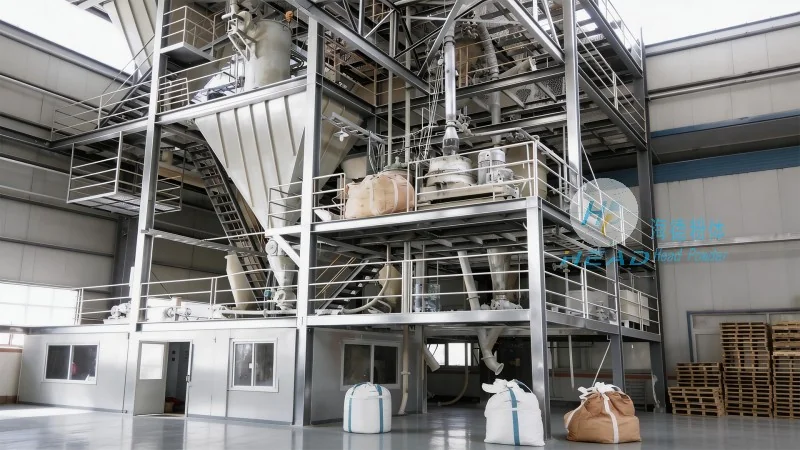
These systems are widely used in various industrial sectors, including manufacturing, chemical processing, and construction. In manufacturing, they facilitate the transport of resin to production lines for composite part fabrication. For example, in the production of fiberglass-reinforced plastic (FRP) components, pneumatic conveying systems ensure that vinyl ester resin is delivered to the mixing and molding processes without delay. In chemical processing, they ensure the safe handling of reactive materials, adhering to strict safety protocols. The construction industry also benefits from efficient resin delivery for structural applications, improving project timelines and productivity. Contractors can rely on these systems to deliver resin to job sites quickly and safely, reducing the time required for on-site mixing and preparation.
Ensuring System Reliability and Maintenance
At HeadPowder, we emphasize the importance of regular maintenance and system optimization to ensure the longevity and efficiency of pneumatic conveying systems. Proper cleaning, component inspection, and performance monitoring are critical to prevent system failures and maintain consistent material flow. Our team of experienced engineers and technicians provides comprehensive maintenance services, including system audits, component replacement, and performance tuning. We also offer customized solutions to address specific challenges, such as handling abrasive or high-viscosity materials. By partnering with HeadPowder, clients can ensure that their pneumatic conveying systems operate at peak performance, minimizing downtime and maximizing productivity. Our commitment to quality and customer satisfaction has made us a trusted provider in the industry, serving clients across China and beyond.