

Introduction to Sintered Dust Gas-Pneumatic Conveying and the Working Principle of the Pneumatic Con
This article provides an overview of the gas-pneumatic conveying system used for sintered dust, detailing its operational principles and key components. The system is designed to efficiently transport fine particulate materials, such as sintered dust, from one location to another within industrial facilities. By leveraging the power of compressed air, the system ensures a reliable and low-maintenance method for material handling, which is crucial in environments where dust control and process efficiency are paramount.
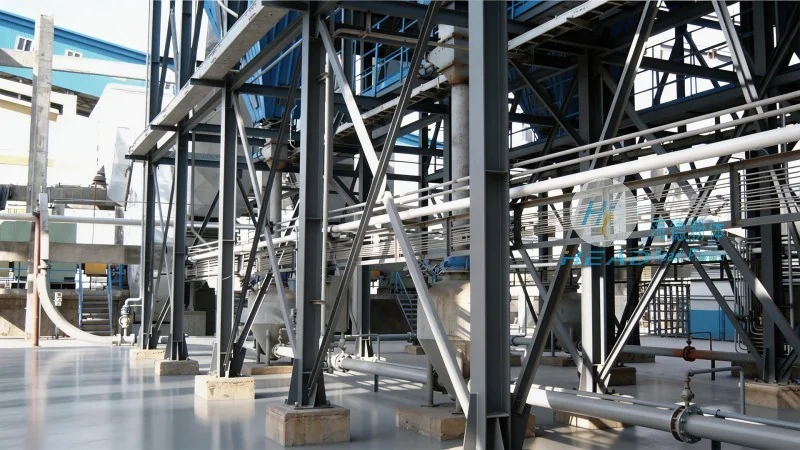
About Shandong HeadPowder Engineering Co., Ltd.
Shandong HeadPowder Engineering Co., Ltd., commonly known as HeadPowder, is a leading provider of engineering solutions for material handling and dust control systems. With a strong focus on innovation and customer satisfaction, the company specializes in designing and manufacturing advanced pneumatic conveying systems tailored to the specific needs of various industrial sectors. HeadPowder's expertise lies in creating efficient, durable, and cost-effective solutions that enhance operational performance while ensuring compliance with environmental regulations.
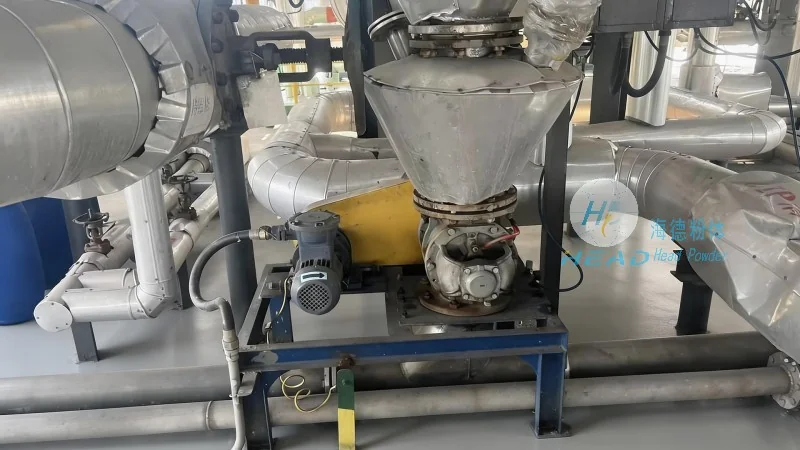
Working Principle of the Gas-Pneumatic Conveying System
The gas-pneumatic conveying system for sintered dust operates on the principle of transporting solid particles through a pipeline using a stream of compressed air. The system typically consists of several key components, including a dust feeder, a conveying line, a control valve, and a dust collector or discharge unit. The process begins when the sintered dust is fed into the system, often through a hopper or a rotary valve, which regulates the flow of material. Compressed air is then introduced into the conveying line, creating a high-velocity air stream that entrains the dust particles and propels them through the pipeline. The air-dust mixture travels to the discharge point, where the dust is separated from the air, typically through a cyclone separator or a filter, and the clean air is released back into the environment. This method ensures that the dust is transported without the need for mechanical components like belts or buckets, reducing maintenance costs and minimizing the risk of material contamination.
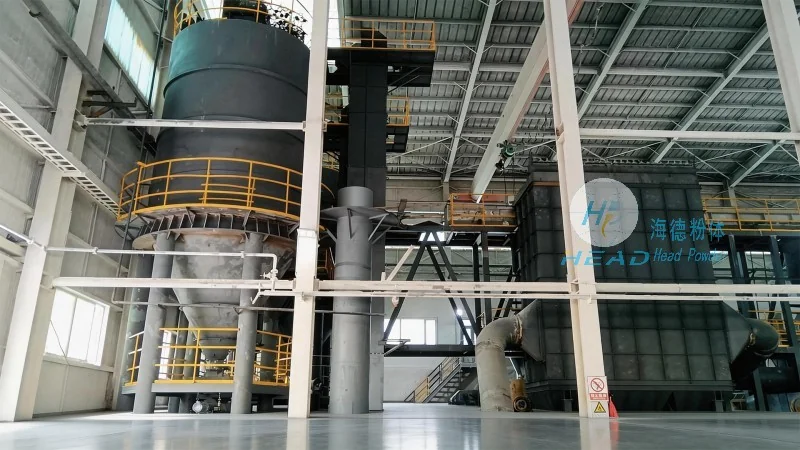
Key Advantages of the System
Implementing a gas-pneumatic conveying system for sintered dust offers several significant advantages. Firstly, it provides a highly efficient method for transporting fine particulate materials over long distances with minimal energy consumption compared to other bulk material handling methods. The system is also highly flexible, allowing for easy integration into existing industrial setups and the ability to handle varying material flow rates. Additionally, the absence of moving parts in the conveying line reduces wear and tear, leading to lower maintenance costs and extended equipment lifespan. From an environmental perspective, the system effectively controls dust emissions, ensuring compliance with air quality regulations and contributing to a safer working environment. The compact design of the system also saves valuable floor space in industrial facilities, making it an ideal solution for plants with limited space availability.
Contact Information
HeadPowder is located in Shandong, China, and serves clients globally with its advanced engineering solutions. The company's headquarters is situated in a region known for its industrial infrastructure, providing easy access to raw materials and manufacturing capabilities. By maintaining a strong presence in the local market, HeadPowder ensures timely support and service for its clients, while also leveraging regional expertise to deliver high-quality products and services.