

Introduction to Pneumatic Conveying of Artificial Graphite, Explanation of Pneumatic Conveying Syste
For industrial applications involving the handling of artificial graphite, efficient material transport is crucial. Pneumatic conveying systems offer a reliable solution, enabling the safe and effective movement of this material from one location to another. This article provides an overview of pneumatic conveying for artificial graphite, detailing the working principles and the key aspects of such systems.
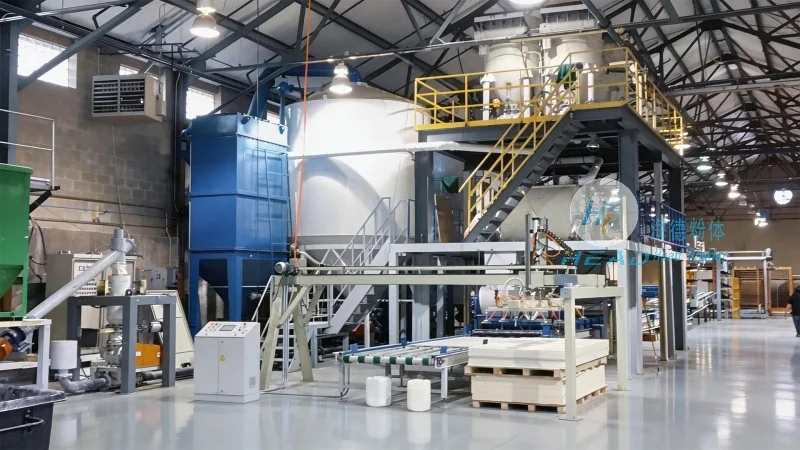
About Shandong HeadPowder Engineering Co., Ltd.
Shandong HeadPowder Engineering Co., Ltd. is a leading provider of specialized engineering solutions, including advanced pneumatic conveying systems. With a strong commitment to quality and innovation, the company serves a wide range of industries, ensuring optimal material handling solutions tailored to specific operational needs. HeadPowder is headquartered in Shandong, China, where it leverages local expertise and resources to deliver high-performance equipment and services.
Pneumatic Conveying Systems: An Overview
Pneumatic conveying is a method of transporting bulk materials through a pipeline using a gas stream, typically air or other gases. This technology is widely used in various industries, including chemical, pharmaceutical, and manufacturing, due to its ability to handle delicate or abrasive materials like artificial graphite without causing damage. The system operates by creating a pressure differential that propels the material through the pipeline, ensuring smooth and continuous transport.
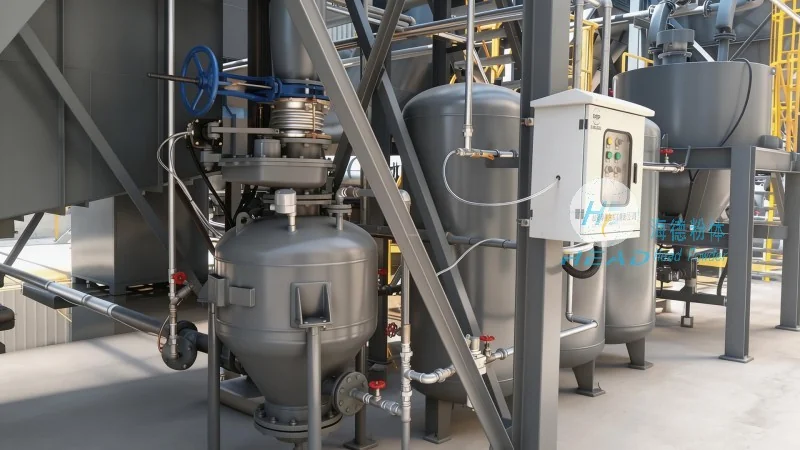
Key Components of a Pneumatic Conveying System
A typical pneumatic conveying system consists of several essential components that work in tandem to facilitate material transport. These include a material feed hopper, a conveyor line (often a flexible or rigid pipe), a blower or compressor to generate the air flow, and a control system to regulate the process. Each component plays a critical role in ensuring the system operates efficiently and safely. The feed hopper is designed to hold the artificial graphite and control the flow rate, preventing overloading or blockages. The conveyor line, made from materials resistant to graphite abrasion, ensures the material is transported without degradation. The blower or compressor provides the necessary pressure to move the material through the pipeline, while the control system monitors and adjusts the air flow and material feed to maintain optimal performance.
Working Principles of Pneumatic Conveying for Artificial Graphite
The working principle of a pneumatic conveying system for artificial graphite involves several stages. Initially, the artificial graphite is fed into the system from the hopper. The material is then introduced into the conveyor line, where it is mixed with the air stream generated by the blower. As the air flows through the pipeline, it creates a low-pressure zone that pulls the material along with it. The combination of air velocity and material properties ensures that the graphite particles are carried through the entire system, reaching the discharge point. The system can operate in either positive or negative pressure modes, depending on the application requirements. Positive pressure systems push the material through the pipeline, while negative pressure systems pull it, with each mode offering advantages in specific scenarios.
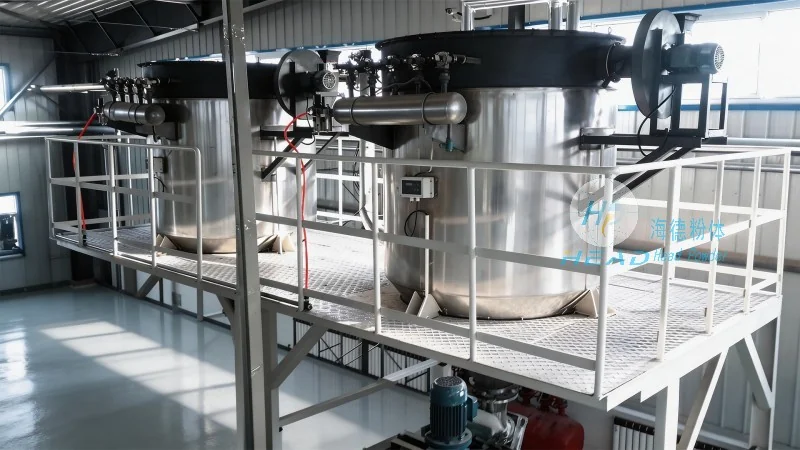
Advantages of Pneumatic Conveying for Artificial Graphite Handling
Pneumatic conveying offers numerous advantages when handling artificial graphite. One of the primary benefits is the ability to transport the material in a closed system, minimizing dust emissions and environmental contamination. This is particularly important for artificial graphite, which can be a fine powder and pose respiratory hazards if not handled properly. Additionally, the system allows for precise control over material flow rates and pressure, ensuring consistent and reliable transport. The closed pipeline design also protects the material from contamination and moisture, preserving its quality and properties. Furthermore, pneumatic conveying systems are flexible and can be easily integrated into existing industrial setups, adapting to various production requirements without significant modifications.
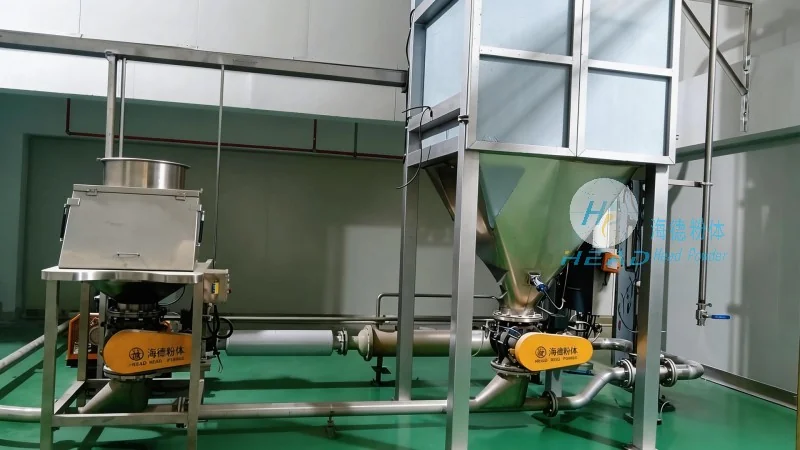
Applications and Considerations
Pneumatic conveying systems are widely used in applications involving artificial graphite, such as in the production of electrodes, lubricants, and other graphite-based products. The system's ability to handle fine powders and abrasive materials makes it suitable for these applications, where traditional methods like belt conveyors may not be effective. When implementing a pneumatic conveying system for artificial graphite, several considerations must be taken into account. These include the material's particle size and density, which affect the air flow requirements and system design. The system must also be designed to handle the specific properties of artificial graphite, such as its high thermal conductivity and resistance to chemical reactions. Proper maintenance and regular inspections are essential to ensure the system operates efficiently and safely over time. Additionally, the choice of materials for the conveyor line and components must be carefully considered to withstand the abrasive nature of the graphite and prevent wear and tear.
Conclusion
In conclusion, pneumatic conveying systems provide an efficient and reliable method for handling artificial graphite in industrial applications. By understanding the working principles and key components of such systems, industries can optimize their material transport processes, ensuring safety, quality, and operational efficiency. Shandong HeadPowder Engineering Co., Ltd. offers specialized solutions tailored to these needs, leveraging advanced engineering and local expertise to deliver high-performance pneumatic conveying systems. With a focus on quality and innovation, HeadPowder continues to support industries in their material handling requirements, contributing to improved productivity and safety in the handling of artificial graphite.