

Introduction to Paddy Husk Pneumatic Conveying and the Working Principle of Pneumatic Conveying Syst
HeadPowder, a leading engineering firm based in Shandong, China, specializes in the design and implementation of advanced pneumatic conveying systems tailored for diverse industrial applications, including the efficient handling of paddy husk. This article provides an overview of paddy husk pneumatic conveying and explains the fundamental principles behind pneumatic conveying systems, highlighting the technical advantages and practical applications of such systems in modern processing industries.
Paddy Husk Pneumatic Conveying: An Overview
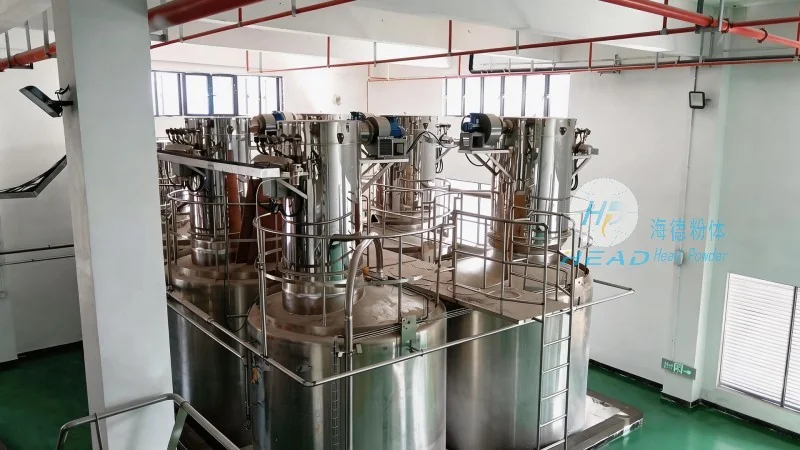
Paddy husk, a byproduct of rice processing, is a fibrous material that poses unique challenges in material handling due to its lightweight, dusty nature, and tendency to create dust clouds during manual or mechanical transfer. Traditional methods like belt conveyors or bucket elevators may struggle with these characteristics, leading to inefficiencies, material loss, and operational hazards. Pneumatic conveying offers a solution by utilizing air to transport paddy husk in a controlled, enclosed system, minimizing dust emissions and ensuring safe, efficient material transfer from source to destination.
HeadPowder's pneumatic conveying solutions for paddy husk are engineered to address these challenges. The systems typically consist of a hopper, a rotary valve for material feeding, a conveying line (often equipped with bends and filters), and a discharge point. The process begins with the paddy husk being fed into the hopper, where it is then drawn into the conveying line by a vacuum or pressure source. The air and material mixture travels through the pipeline, with the air providing the necessary force to move the husk while maintaining a stable flow. At the discharge point, the material is separated from the air, often through a cyclone separator or a filter, and collected in a receiving container.
The Working Principle of Pneumatic Conveying Systems
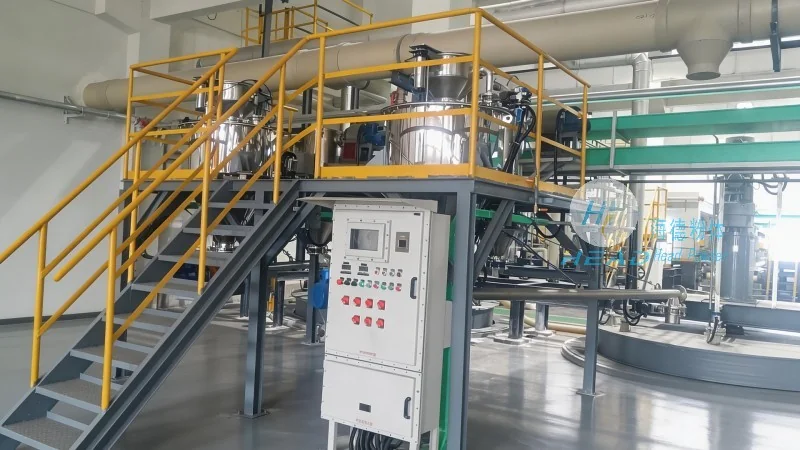
Pneumatic conveying systems operate on the principle of transporting bulk materials in a gas-solid flow. There are two primary modes: vacuum (or suction) and pressure (or positive) systems. Vacuum systems use a vacuum pump to create a negative pressure in the conveying line, drawing material from the source. This method is ideal for long-distance or horizontal/vertical combinations where the material needs to be moved against gravity. Pressure systems, on the other hand, use a blower or compressor to generate positive pressure, pushing the material through the pipeline. These systems are suitable for short-distance, horizontal transport where the material can be moved with the force of the air.
For paddy husk, the choice between vacuum and pressure systems depends on the specific application requirements, such as the distance between the source and destination, the vertical height to be covered, and the desired flow rate. HeadPowder's engineers carefully evaluate these factors to select the most appropriate system configuration, ensuring optimal performance and energy efficiency.
Key Advantages of Paddy Husk Pneumatic Conveying
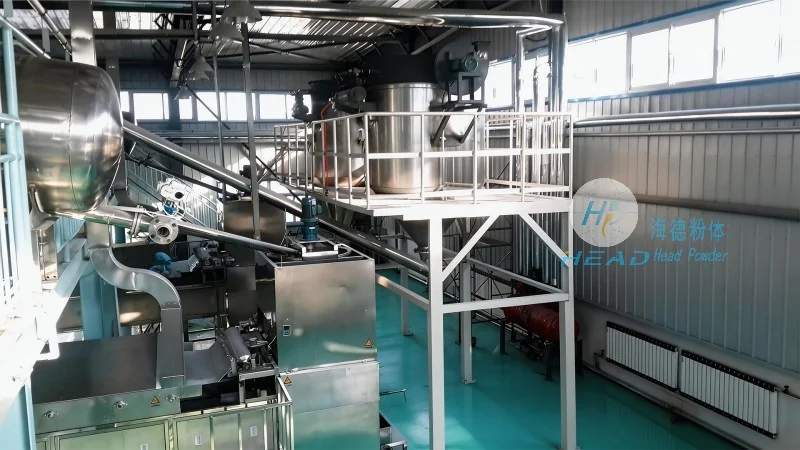
Implementing pneumatic conveying for paddy husk offers several key advantages over traditional material handling methods. Firstly, it significantly reduces dust generation and emissions, contributing to a cleaner working environment and compliance with environmental regulations. The enclosed system prevents dust from escaping into the air, protecting both personnel and equipment from contamination. Secondly, pneumatic conveying minimizes material loss during transfer, as the system is designed to retain all material within the pipeline. This is particularly important for paddy husk, which can be valuable as a raw material for other processes, such as biofuel production or animal feed. Thirdly, the system provides a continuous, uniform flow of material, enhancing process control and reducing downtime caused by material buildup or blockages. Additionally, pneumatic conveying systems are relatively compact and can be integrated into existing processing facilities with minimal modifications, making them a cost-effective solution for many rice processing plants.
HeadPowder's Expertise in Pneumatic Conveying Solutions
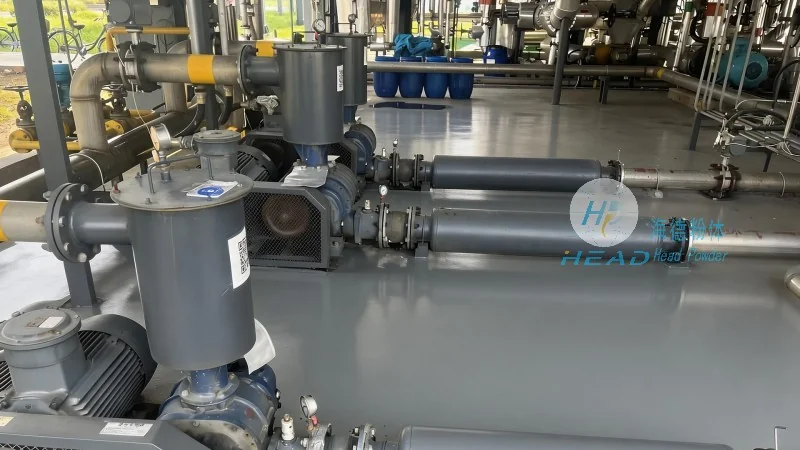
As a reputable engineering company based in Shandong, China, HeadPowder has extensive experience in designing and manufacturing pneumatic conveying systems for various industries, including agriculture and food processing. The company's team of skilled engineers and technicians works closely with clients to understand their specific needs and develop customized solutions that meet their operational and environmental requirements. HeadPowder's commitment to quality and innovation ensures that their pneumatic conveying systems are reliable, efficient, and durable, providing long-term value to their customers.
For businesses dealing with paddy husk, investing in a pneumatic conveying system from HeadPowder can lead to improved operational efficiency, reduced costs, and enhanced safety. The company's expertise in material handling technology, combined with its focus on customer satisfaction, makes it a trusted partner for implementing effective paddy husk handling solutions.