

Introduction to Sand and Gravel Pneumatic Conveying: Principles of Pneumatic Conveying Systems
HeadPowder, a leading engineering company based in Shandong, China, specializes in the design and implementation of advanced pneumatic conveying systems for various bulk material handling applications. This article provides an overview of sand and gravel pneumatic conveying, detailing the fundamental principles and operational mechanisms that underpin such systems.
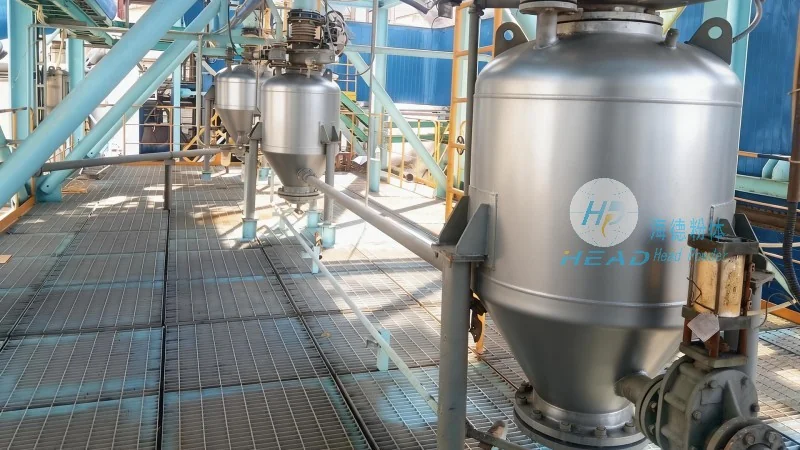
Overview of Pneumatic Conveying Systems
Pneumatic conveying systems are mechanical devices used to transport bulk materials, such as sand, gravel, and other granular or powdery substances, through a pipeline using air or gas as the conveying medium. Unlike traditional mechanical conveyors, which rely on belts, buckets, or screws, pneumatic systems utilize pressure differentials to move materials efficiently over long distances and through complex layouts. The technology is widely adopted in industries like construction, mining, and manufacturing due to its flexibility, ability to handle abrasive materials, and reduced maintenance requirements compared to traditional methods.
Key Components of a Pneumatic Conveying System
A typical pneumatic conveying system consists of several core components that work in tandem to achieve material transport. These components include a material feeder, a conveying line (often equipped with bends and expansions), a pressure vessel or receiver, and a control system. The material feeder is responsible for introducing the bulk material into the system at a controlled rate, ensuring consistent flow. The conveying line, which may be made of metal or plastic, transports the material and air mixture. The pressure vessel or receiver collects the conveyed material and allows for air separation before the material is discharged. The control system monitors and regulates pressure, flow rates, and other operational parameters to maintain system efficiency and safety.
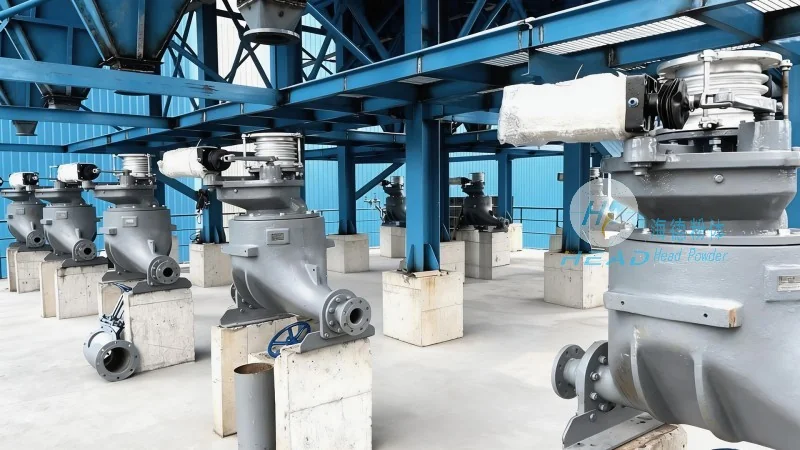
Working Principle of Pneumatic Conveying
The fundamental principle of pneumatic conveying is the creation of a pressure differential between the inlet and outlet of the conveying line. This is achieved by either generating positive pressure at the inlet (positive pressure conveying) or creating a vacuum at the outlet (negative pressure conveying). In positive pressure systems, a blower or compressor supplies compressed air to the material feeder, where the air and material are mixed and then propelled through the pipeline. The air pressure at the inlet is typically higher than the ambient pressure at the outlet, creating the necessary force to move the material. In negative pressure systems, a vacuum pump creates a low-pressure environment at the receiver, drawing the material-air mixture from the feeder through the pipeline. The choice between positive and negative pressure depends on factors such as material characteristics, distance, and system layout.
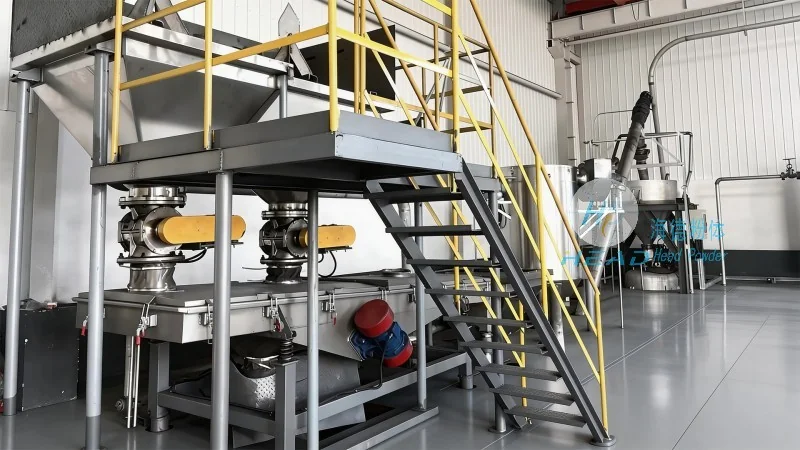
Advantages of Pneumatic Conveying for Sand and Gravel
For sand and gravel applications, pneumatic conveying offers several advantages over traditional methods. Firstly, it provides a dust-free and enclosed transport process, which is crucial for maintaining material quality and reducing environmental impact. The enclosed system prevents contamination and minimizes the risk of material spillage or exposure to the environment. Secondly, pneumatic systems can handle abrasive materials like sand and gravel without significant wear on components, as the air cushioning effect reduces friction and impact forces. Thirdly, the technology allows for flexible system designs, enabling the integration of multiple feeding points or discharge locations, which is beneficial for complex production lines. Additionally, the systems are relatively easy to install and maintain, with modular components that can be replaced or upgraded as needed.
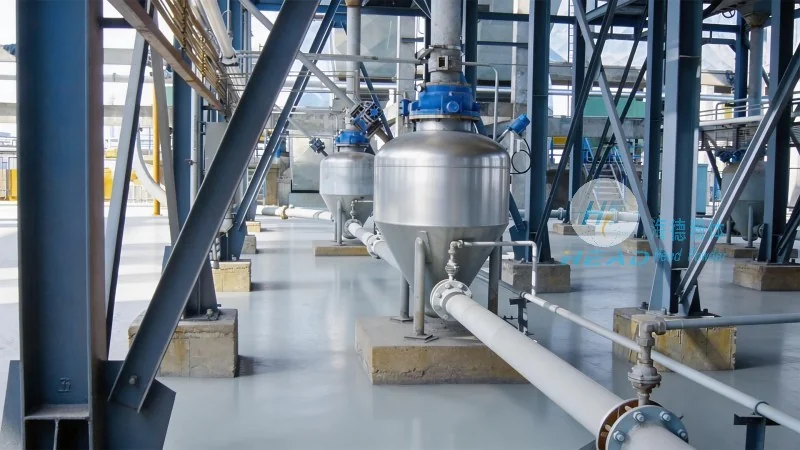
Applications in the Construction and Mining Industries
Pneumatic conveying systems are extensively used in the construction and mining sectors for transporting sand, gravel, and other aggregates. In construction projects, these systems are employed to move raw materials from storage silos to mixing plants or batching stations, ensuring a continuous and efficient supply of aggregates for concrete production. In mining operations, pneumatic conveyors are used to transport crushed rock and ore from processing facilities to storage or shipping areas, reducing the need for heavy machinery and manual handling. The ability to handle large volumes of material over long distances makes pneumatic systems ideal for these applications, where reliability and efficiency are critical.
Operational Considerations and Maintenance
While pneumatic conveying systems offer numerous benefits, proper operation and maintenance are essential to ensure optimal performance and longevity. Key operational considerations include monitoring air pressure and flow rates to prevent system blockages or inefficiencies. Regular inspection of components such as the material feeder, conveying line, and pressure vessel is necessary to detect wear or damage early. Additionally, cleaning the system after each use is important to prevent material buildup and maintain system efficiency. HeadPowder, with its expertise in engineering and system design, provides comprehensive support for the installation, operation, and maintenance of pneumatic conveying systems, ensuring that clients achieve maximum performance and minimal downtime.