

Introduction to Sichuan Pepper Pneumatic Conveying and the Working Principle of Pneumatic Conveying
In the food processing sector, especially when handling delicate and valuable products like Sichuan pepper, reliable material handling is paramount. Pneumatic conveying systems have emerged as a sophisticated solution, offering efficient, hygienic, and flexible transport of bulk materials. This article provides a comprehensive overview of Sichuan pepper pneumatic conveying systems, detailing their operational principles and the advantages they bring to food processing operations. HeadPowder, a professional engineering company based in Shandong, China, specializes in developing customized pneumatic conveying solutions for the food industry.
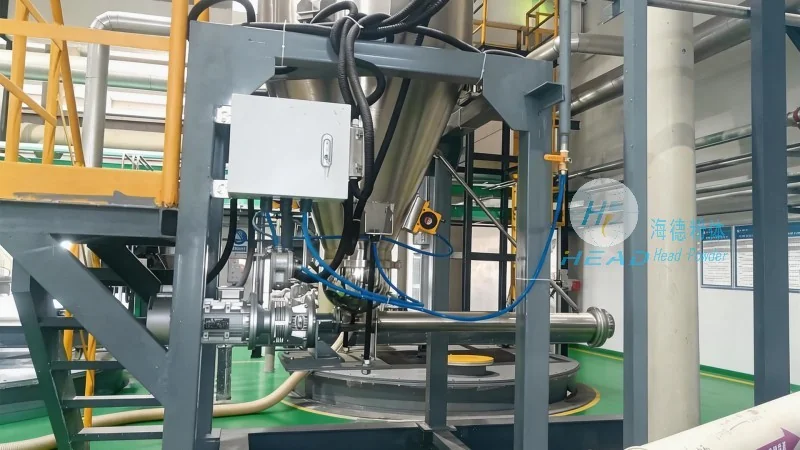
Overview of Pneumatic Conveying Systems
Pneumatic conveying systems utilize compressed air or gas to transport solid materials, such as Sichuan pepper, through a network of pipes. Unlike traditional mechanical conveyors, these systems operate by creating a flow of air that lifts and moves the material particles. The technology is widely adopted in industries where dust control, product integrity, and operational flexibility are critical. For Sichuan pepper, which is often used in culinary applications and requires careful handling to preserve its flavor and quality, pneumatic conveying ensures minimal product degradation and contamination.
Core Components and Their Functions
The effectiveness of a pneumatic conveying system depends on its key components, each playing a vital role in the material transport process. The primary components include: the air compressor, which generates the necessary pressure to move the material; the feed hopper or silo, where the Sichuan pepper is stored and loaded; the conveying line, typically made of stainless steel or other food-grade materials to prevent contamination; the discharge device, such as a cyclone separator or rotary valve, which releases the material at the destination; and auxiliary equipment like filters and vacuum pumps to maintain system efficiency and air quality. These components work in concert to ensure smooth and continuous material flow.
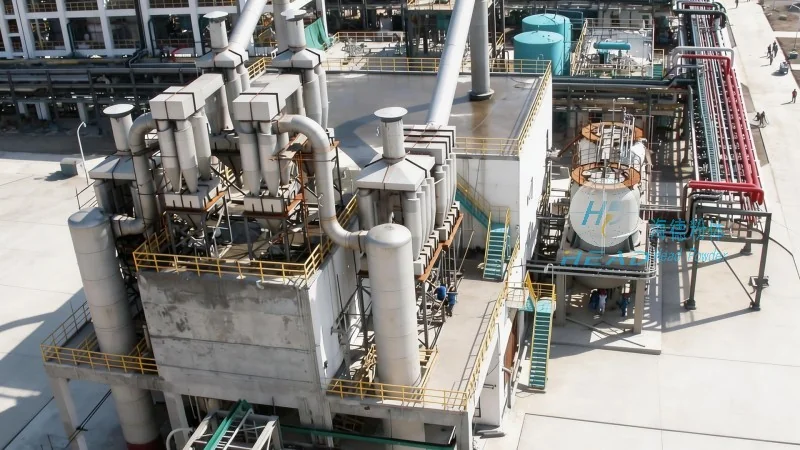
Working Principle of Sichuan Pepper Pneumatic Conveying
The operational process begins with the Sichuan pepper being fed into the hopper. The air compressor then produces high-pressure air, which is introduced into the conveying line. As the air flows at a controlled velocity, it lifts the pepper particles and transports them through the pipeline. The air velocity is carefully calibrated to prevent material segregation or damage, ensuring the pepper retains its quality. At the receiving end, the air is separated from the pepper using a cyclone separator or other filtration equipment. The pepper is then discharged into the target container, while the clean air is recirculated back into the system. This closed-loop system minimizes dust emissions and maintains a clean environment.
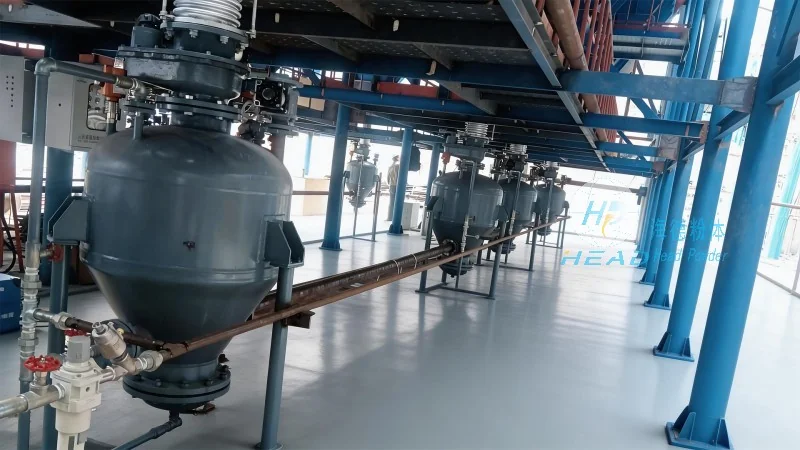
Advantages of Pneumatic Conveying for Sichuan Pepper Handling
Implementing a pneumatic conveying system for Sichuan pepper offers several distinct advantages. First, it provides a dust-free and hygienic transport environment, which is essential for meeting food safety standards and preserving the product's flavor and aroma. Second, the system is highly flexible, allowing for easy reconfiguration of the conveying route to accommodate changes in production processes or facility layout. Third, it reduces labor costs by automating the material handling process, minimizing the need for manual handling and associated risks. Fourth, the compact design of these systems makes them suitable for integration into existing production lines without significant space requirements. Finally, the system's ability to handle fine powders and prevent product segregation ensures consistent quality in downstream processing.
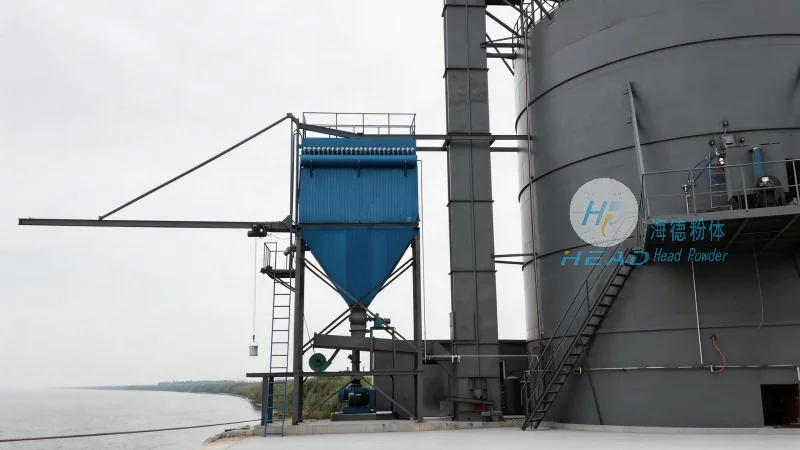
Applications in Food Processing
Sichuan pepper pneumatic conveying systems are widely used in various stages of food processing. In spice processing plants, the system efficiently transports raw Sichuan pepper from storage silos to grinding or roasting equipment. In packaging facilities, it moves processed pepper from processing lines to packaging machines, ensuring a continuous supply of product. Additionally, these systems are applicable in other food processing applications involving similar bulk materials, such as grains, powders, and other spices. The versatility of pneumatic conveying makes it a valuable asset for businesses aiming to optimize their material handling operations.
Conclusion
In summary, pneumatic conveying systems represent a highly effective solution for transporting Sichuan pepper and other bulk materials in the food industry. By leveraging compressed air to move materials through a closed system, these technologies offer benefits such as dust control, product preservation, and operational flexibility. HeadPowder, with its expertise in engineering and manufacturing, provides tailored pneumatic conveying solutions that meet the specific needs of food processing businesses. For companies seeking to enhance their material handling efficiency and maintain product quality, pneumatic conveying systems are a reliable and cost-effective choice.