

Introduction to Rice Husk Pneumatic Conveying and the Working Principle of Pneumatic Conveying Syste
HeadPowder, a leading engineering firm based in Shandong, China, specializes in the design and implementation of advanced pneumatic conveying systems. This article provides an overview of rice husk pneumatic conveying, detailing the fundamental principles and operational mechanics of such systems.
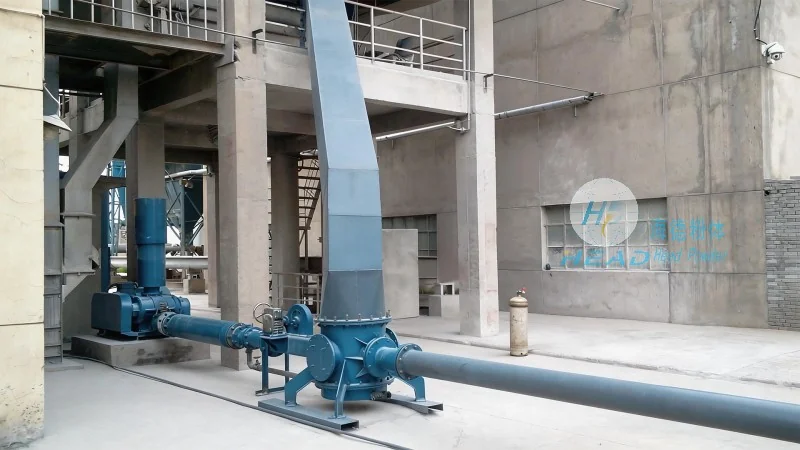
Pneumatic Conveying Systems: An Overview
Pneumatic conveying is a method of transporting bulk materials through a pipeline using a stream of pressurized air or vacuum. This technology is widely used across various industries, including agriculture, food processing, and manufacturing, due to its efficiency, flexibility, and ability to handle a wide range of materials. The core components of a pneumatic conveying system typically include a material feed hopper, a conveying line, a dust collector, and a discharge outlet. The system operates by creating a pressure differential that moves the material through the pipeline, either by pushing (positive pressure) or pulling (negative pressure) the material along the line.
Rice Husk Pneumatic Conveying: Key Considerations
When it comes to transporting rice husk, a byproduct of rice milling, specialized considerations are necessary due to the material's properties. Rice husk is lightweight, often with a high moisture content, and can be abrasive. These characteristics affect the design and selection of equipment in a pneumatic conveying system. For instance, the material's low density means that higher air velocities or larger conveying lines may be required to achieve effective transport. Additionally, the abrasive nature of rice husk necessitates the use of durable materials for the conveying line and associated components to prevent wear and tear over time.
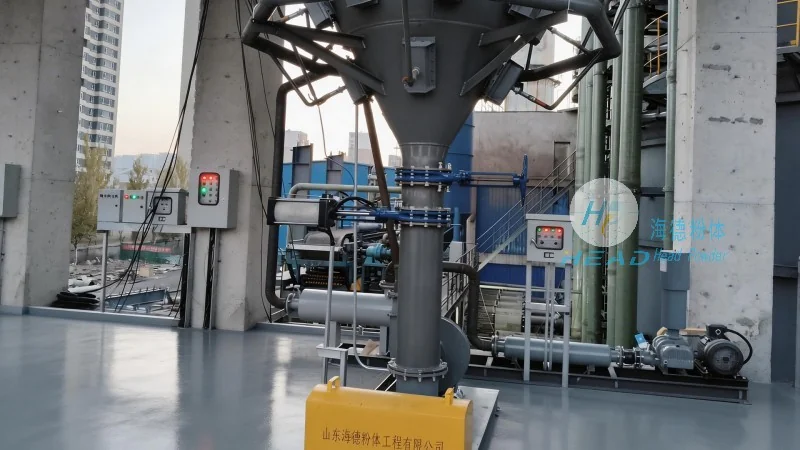
The Working Principle of Pneumatic Conveying Systems
The fundamental principle behind pneumatic conveying is the creation of a flow of air that carries the material particles through the pipeline. In a positive pressure system, air is forced into the conveying line at a high velocity, creating a pressure higher than the ambient air. This pressure differential propels the material forward as it is entrained by the air stream. The material is then discharged at the end of the line, where the air is separated from the product and often recirculated. In contrast, a negative pressure system uses a vacuum to draw material into the line, pulling it from the source to the destination. Both systems rely on the interaction between the air flow and the material particles to achieve efficient transport.
Components and Their Roles in Pneumatic Conveying
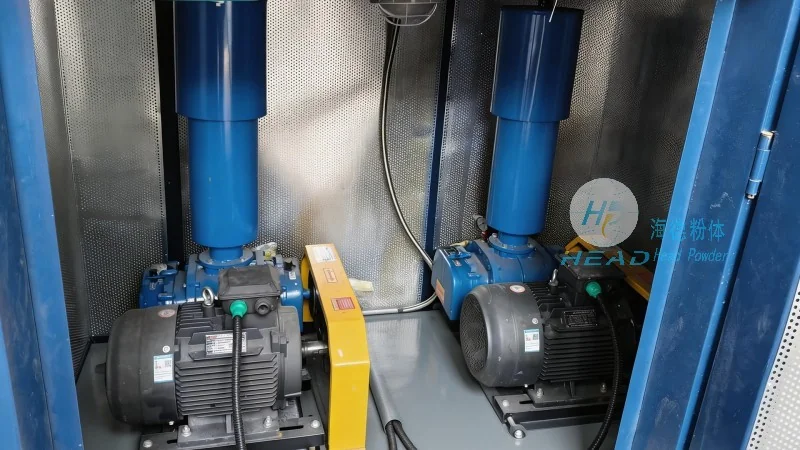
Each component of a pneumatic conveying system plays a critical role in ensuring smooth and efficient operation. The material feed hopper is responsible for storing and feeding the rice husk into the system, ensuring a consistent flow. The conveying line, typically made of stainless steel or other corrosion-resistant materials, is where the material travels under the influence of the air stream. The dust collector is essential for capturing any airborne particles, improving air quality and preventing material loss. The discharge outlet controls the release of the material from the system, allowing for precise delivery to the next processing stage. Proper maintenance and selection of these components are crucial for the longevity and performance of the system.
Applications and Benefits of Rice Husk Pneumatic Conveying
Rice husk, a valuable biomass resource, is often used as a fuel source or in the production of biochar and other products. Efficient transportation of rice husk is critical for the success of downstream processing operations. Pneumatic conveying offers several advantages over traditional methods, such as belt conveyors or bucket elevators. These include reduced labor costs, lower maintenance requirements, and the ability to transport materials over longer distances without the need for multiple transfer points. Furthermore, the enclosed system minimizes dust emissions and contamination, which is particularly important for food-grade materials like rice husk.
Conclusion
HeadPowder Engineering, with its expertise in pneumatic conveying systems, provides tailored solutions for the transportation of rice husk and other bulk materials. By understanding the unique properties of rice husk and the fundamental principles of pneumatic conveying, engineers can design systems that are efficient, reliable, and cost-effective. The company's commitment to quality and innovation ensures that clients receive systems that meet their specific operational needs and comply with industry standards. As the demand for efficient material handling solutions continues to grow, pneumatic conveying remains a vital technology in the processing of agricultural byproducts like rice husk.